Supporting Preschoolers’ Digestive Health During Holidays and Travel
A healthy digestive system is the foundation for preschool children to eat well, sleep well, fall sick less often, and actively participate in daily learning and play. Whenever daily routines change (such as during holidays, Tet celebrations, or family trips), a young child’s still-developing digestive system can easily become “overloaded,” leading to reduced appetite, bloating, or irregular bowel movements. To help families prepare for these changes, Vinchool has put together a few practical nutrition tips to support children’s digestive health during holiday periods.
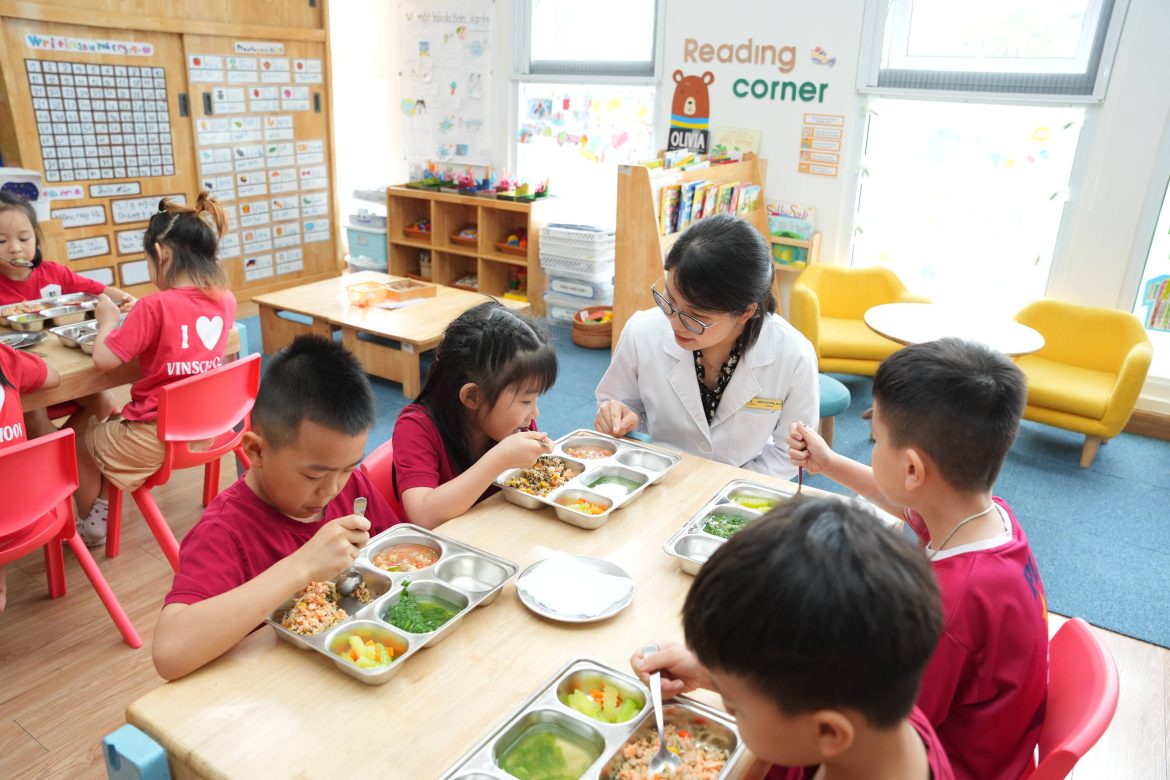
1. Preschoolers’ Digestive System – Foundation for Growth and Immunity
A child’s digestive system includes the mouth, esophagus, stomach, small intestine, large intestine, and rectum. It begins forming during the fetal stage and continues maturing throughout the early years.
The digestive system plays several important roles:
- Breaking down and absorbing nutrients to support physical growth and brain development.
- Supporting immune health through a balanced gut microbiota.
Processing food with the help of digestive enzymes such as:
- Amylase – breaks down carbohydrates
- Lipase – digests fats
- Pepsin, trypsin, protease – digest proteins
In addition, the liver, gallbladder, and pancreas play essential roles in optimizing digestion and nutrient absorption.
For this reason, any disruption in eating habits, daily routines, or food quality can place extra strain on a child’s digestive system.
2. Common Digestive Issues During Holidays
Digestive disturbances can vary depending on the child and the part of the digestive system affected. Common signs include:
- Changes in appetite, reduced intake, or picky eating
- Reflux, nausea, or vomiting
- Bloating, abdominal discomfort, early satiety
- Diarrhea or constipation
Some of these symptoms may be temporary. However, if they persist or become more severe, parents should monitor their child closely.
3. Why Are Digestive Problems More Common During Holidays?
Several factors can contribute to digestive issues during holiday periods:
Changes in Diet:
- Trying unfamiliar foods or foods that are not prepared hygienically, increasing the risk of infection
- Eating more fried foods, fast food, or sweets, which may lead to bloating and indigestion
- Drinking carbonated drinks, which may irritate the stomach and increase gas
Imbalanced Nutrition:
- Consuming too many carbohydrates and fats but not enough dietary fiber, especially soluble fiber (prebiotics)
- Disrupting the balance of beneficial gut bacteria (probiotics)
- Drinking too little water, which may increase the risk of constipation
Irregular Daily Routines:
- Skipping meals, eating too late, or eating close to bedtime
- Having irregular sleep schedules, which may increase the risk of reflux and affect sleep quality
Special Health Conditions
- Being undernourished or overweight, which may weaken immunity and make children more susceptible to digestive problems.
4. Scientific Nutrition – The Key to Preventing Digestive Disorders During Holidays
General Principles:
- Provide adequate energy according to age and nutritional status
- Ensure balance among the four main nutrient groups:
- Protein (meat, fish, eggs, dairy…)
- Fats and oils
- Carbohydrates
- Vitamins, minerals, and fiber
- Ensure sufficient daily water intake
4.1. What Parents SHOULD Do
- Before and during holidays
- Plan meals, rest time, and activities in advance
- Prioritize safe dining locations and hygienic food sources
- Check food origins and expiration dates carefully when storing food
- In daily meals
- Ensure children consume adequate protein
- Include foods rich in soluble fiber (prebiotics) such as carrots, potatoes, lettuce, whole grains, and oats
- Offer a variety of colorful fruits and vegetables, especially dark green vegetables and red–orange foods such as pumpkin, tomatoes, and oranges
- Consider alternatives from the same food group if a child does not eat enough of one food
- Encourage adequate water consumption
- Include probiotic foods such as yogurt (for children over 1 year old)
- During daily activities
- Observe whether the child’s food portions are appropriate for their needs
- Watch for signs such as vomiting, reflux, abdominal pain, changes in stool frequency or consistency, and urine color
- Maintain regular meal times and sleep schedules. Avoid letting children become overly hungry or eat too late.
- Encourage moderate physical activity and watch for signs of dehydration (such as reduced urination, dry lips, or crying without tears)
- After the holiday
- Monitor the child’s weight (children should maintain or gain weight appropriately)
- Return to a balanced daily diet
- Distinguish between common digestive discomfort and possible food poisoning
→ Seek medical attention immediately if the child develops fever, severe abdominal pain, persistent vomiting, or bloody or mucous stools.
4.2. What Parents SHOULD NOT Do
- Skip meals, serve meals too late, or let children overeat.
- Let children watch TV or use mobile phones while eating.
- Allow children to consume excessive fried foods, processed foods, sweets, and carbonated drinks.
- Let children drink too much water immediately after meals or go to sleep right after drinking milk.
- Allow children to consume unsafe foods, such as uncovered street food, bulging canned foods, or foods of unknown origin or foods left overnight without proper refrigeration.
Conclusion & Recommendations for Parents
Digestive problems during holidays can often be prevented with careful preparation and attentive care before, during, and after holiday periods.
A balanced and nutritious diet, together with consistent daily routines, helps:
- Maintain strong immunity
- Support healthy digestion
- Enable children to return quickly to stable routines and continue growing well
If digestive symptoms persist or appear unusual, parents should consult a pediatrician or nutrition specialist for timely advice and appropriate care.