Sleep and Child Development: A Scientific Perspective
Sleep is far more than just “downtime”- it is a cornerstone of a child’s brain and physical development. Leading authorities, including the American Academy of Pediatrics (AAP) and the National Sleep Foundation (NSF), consistently highlight that quality sleep is non-negotiable for healthy development. Just as importantly, early identification and intervention for sleep disorders are essential to protecting a child’s long-term well-being.
Statistics show that approximately 25–50% of children under the age of six encounter sleep-related challenges at some point. Even a minor deficit – losing just one or two hours of rest per night – can noticeably impair a child’s attention span and lead to increased irritability. Chronic poor-quality sleep is closely linked to behavioral disorders, weakened memory, and a decline in overall learning capacity.
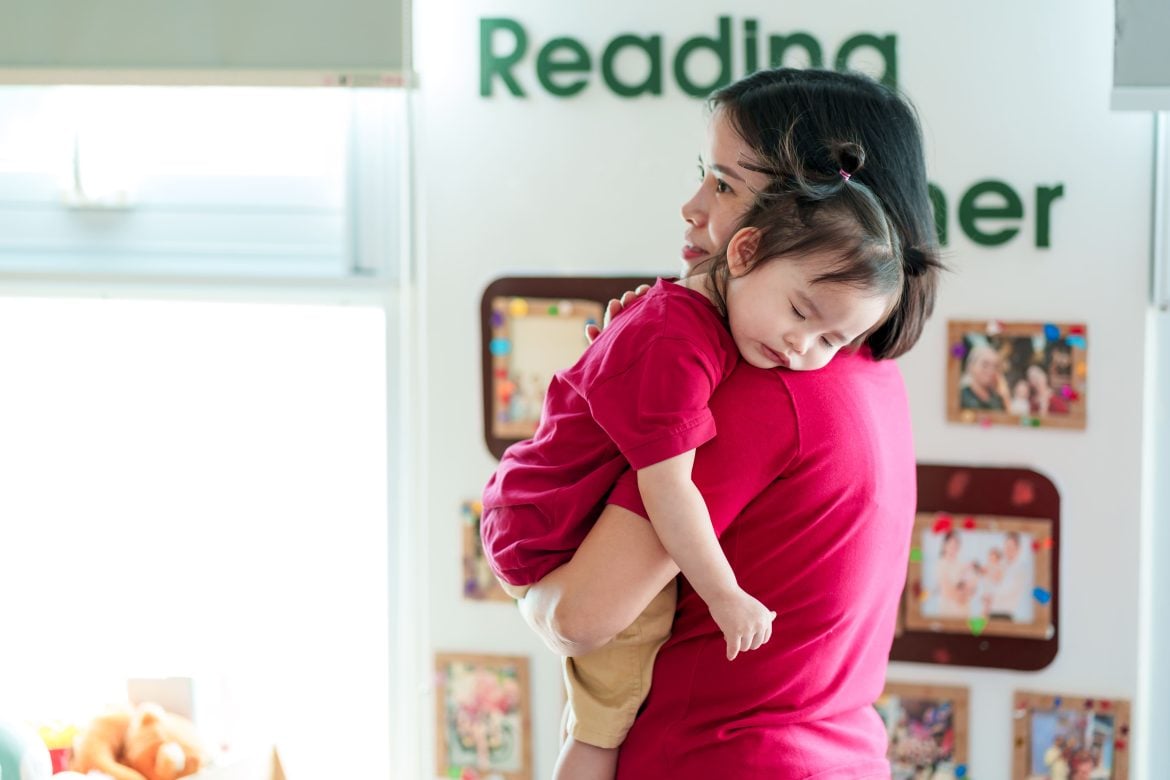
Between the ages of one and six – when a child’s brain forms more than one million neural connections every second (Harvard Center on the Developing Child) – sleep becomes especially critical. Inadequate or disrupted sleep during this period can directly affect emotional regulation, memory development, and learning capacity.
For these reasons, understanding how sleep works and recognizing early signs of sleep difficulties are essential steps in supporting children’s physical health, emotional well-being, and long-term development.
1. Why sleep matters in the preschool years
For preschoolers, sleep serves as a fundamental biological process with four core functions:
- Physical recovery and energy restoration: During sleep, a child’s body rests and recovers from daily activity. Muscles, bones, and joints relax, helping children restore energy and maintain physical stamina.
- Physical growth support: Growth hormone (GH) is released most strongly during deep sleep. Ongoing insufficient or fragmented sleep may negatively affect a child’s height and overall health.
- Cognitive development: Sleep plays a central role in memory consolidation, information processing, and the formation of new neural connections – essential foundations for learning and behavioral regulation.
- Emotional and behavioral regulation: Children who do not get enough quality sleep are more likely to become irritable, have difficulty focusing, and struggle with cooperation and emotional control, which can affect both learning and social interactions.
2. How much sleep does your child need?
According to professional recommendations:
- Children aged 1–2 years: 11–14 hours per day
- Children aged 3–5 years: 10–13 hours per day
Beyond duration, sleep quality is key. A healthy sleep cycle is typically deep and uninterrupted, with minimal night waking, no persistent snoring, and no signs of breathing disorders.
3. Common sleep disorders in preschool children
Sleep-disordered breathing: A condition where a child’s airway becomes partially blocked during sleep, leading to snoring or pauses in breathing (known as obstructive sleep apnea, or OSA).
- Snoring affects approximately 10–17% of children, while OSA occurs in about 1–5%.
- OSA is more common in children with enlarged tonsils or adenoids, as well as those who are overweight.
- Without early identification and treatment, OSA may contribute to delayed growth, reduced attention, and potential cardiovascular concerns.
Insomnia: the most common sleep disorder in children, affecting approximately 10–30%.
- It is characterized by difficulty falling asleep or staying asleep.
- It often occurs when children rely on being rocked or held to sleep, screen exposure before bedtime, or lack a consistent sleep routine.
4. Sleep hygiene: What should parents do?
DO:
- Maintain consistent sleep and wake times daily.
- Create a quiet, well-ventilated, and dimly lit sleep environment.
- Observe “sleepy cues”: eye rubbing, reduced activity, or increased clinging.
- Limit screen exposure at least 1 hour before bedtime.
DON’T:
- Give children heavy meals or too much water close to bedtime.
- Let children sleep with the television, mobile phones, or bright lights on.
- Force a child to sleep when they are not ready, as this may lead to prolonged crying.
- Rock or shake children vigorously to induce sleep, as this may create habits that are difficult to change.
5. When should parents seek professional advice?
Parents are encouraged to consult a healthcare professional if a child shows any of the following signs:
- Loud or frequent snoring lasting longer than 3 weeks
- Pauses in breathing or labored breathing during sleep
- Frequent night awakenings or ongoing difficulty falling asleep
- Daytime fatigue, poor concentration, or unusual irritability
- Poor growth or poor appetite accompanied by sleep disturbances
Sleep: The “foundation” of holistic development
Adequate, high-quality sleep – aligned with a child’s natural biological rhythms – supports:
- Optimal physical growth through peak secretion of GH during deep sleep
- Strong cognitive development through memory consolidation
- Better emotional regulation and fewer outbursts, especially in children aged 2–6
- Improved behavioral control and attention
- Greater motivation, cooperation, and engagement in daily school activities
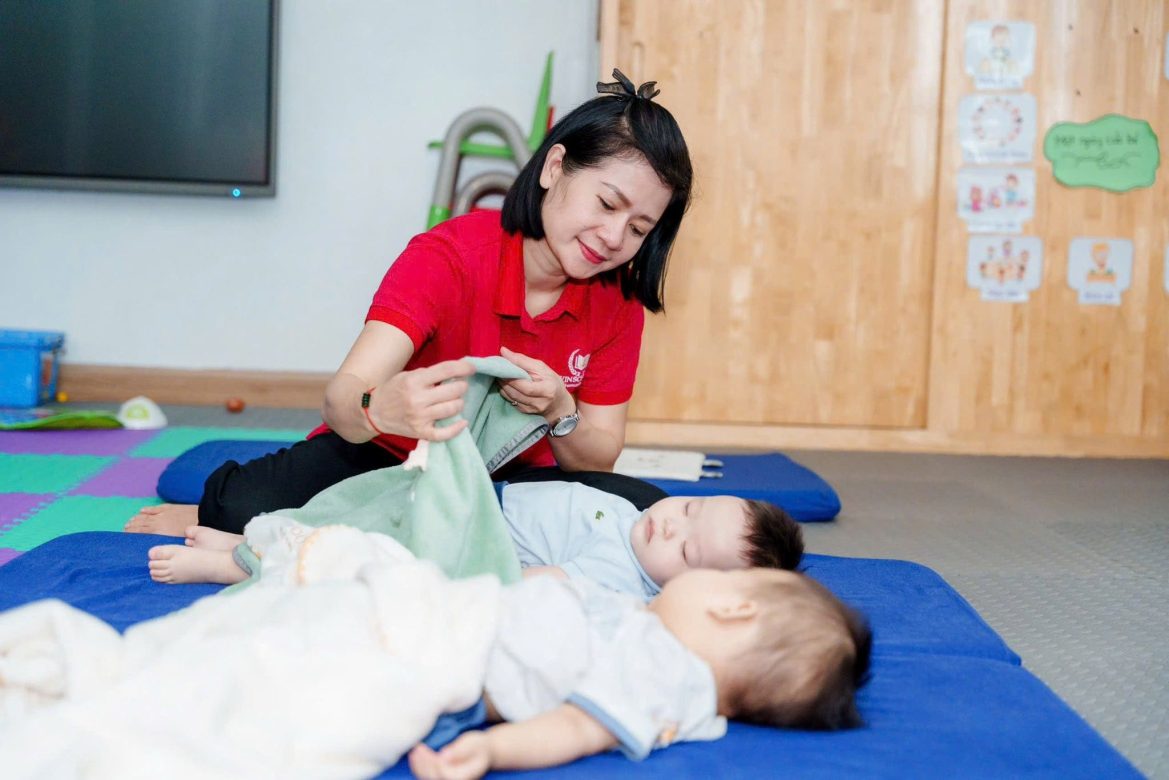
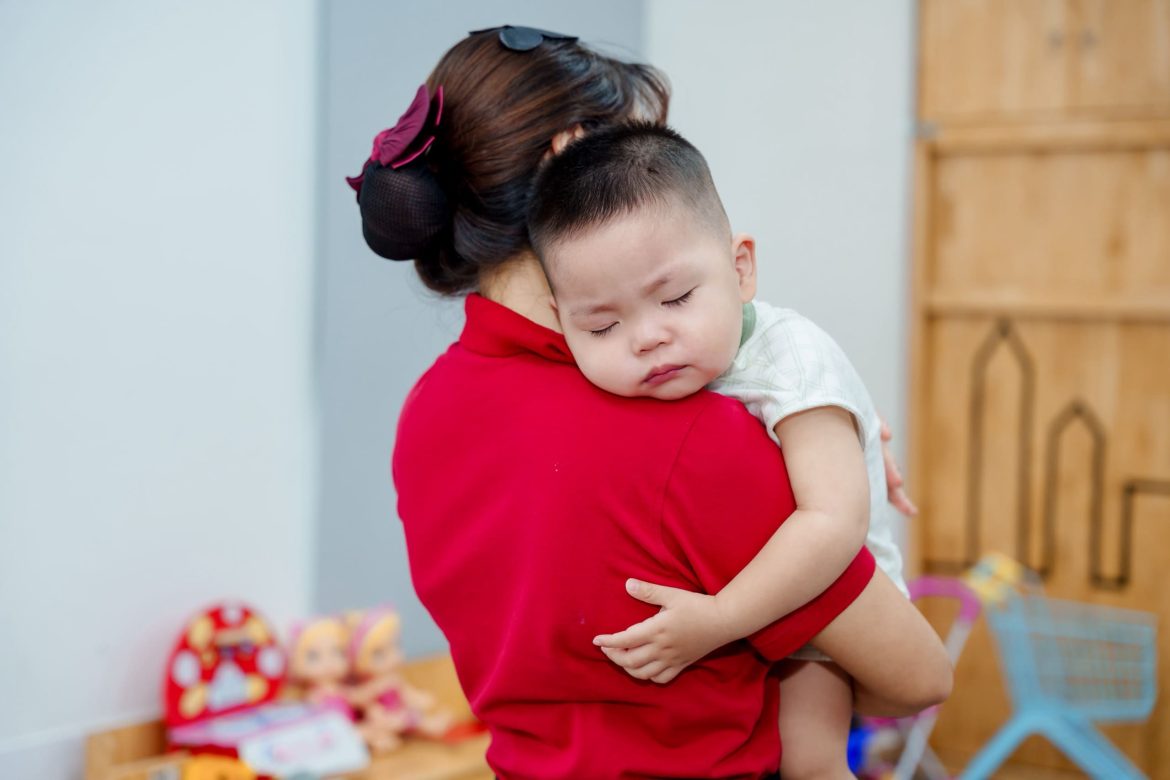
Supporting healthy sleep habits is therefore not simply about bedtime routines. It is a meaningful investment in a child’s brain development, emotional well-being, and long-term potential -one that shapes not only their early years, but also their capacity to learn, thrive, and succeed in the years ahead.