Is Your Baby Ready for Preschool? Key Milestones to Watch for Between 6 and 12 Months – Tips from Vinmec Experts
Many parents tend to wait until your child is over two years old and looks “sturdy” before you even begin researching preschools. However, early childhood development specialists highly recommend that you start the observation and preparation process much earlier, ideally between 6 and 12 months of age.
Recognizing these readiness indicators helps you proactively select the best educational approach and the right school, while also smoothly guiding your child toward establishing social skills and daily routines. This approach prevents the distress of rushing the process at the last minute, which often results in your child experiencing significant “environmental shock”.
5 CLEAR SIGNS YOUR CHILD IS PREPARING TO THRIVE IN A CLASSROOM
1. They start moving and exploring their space
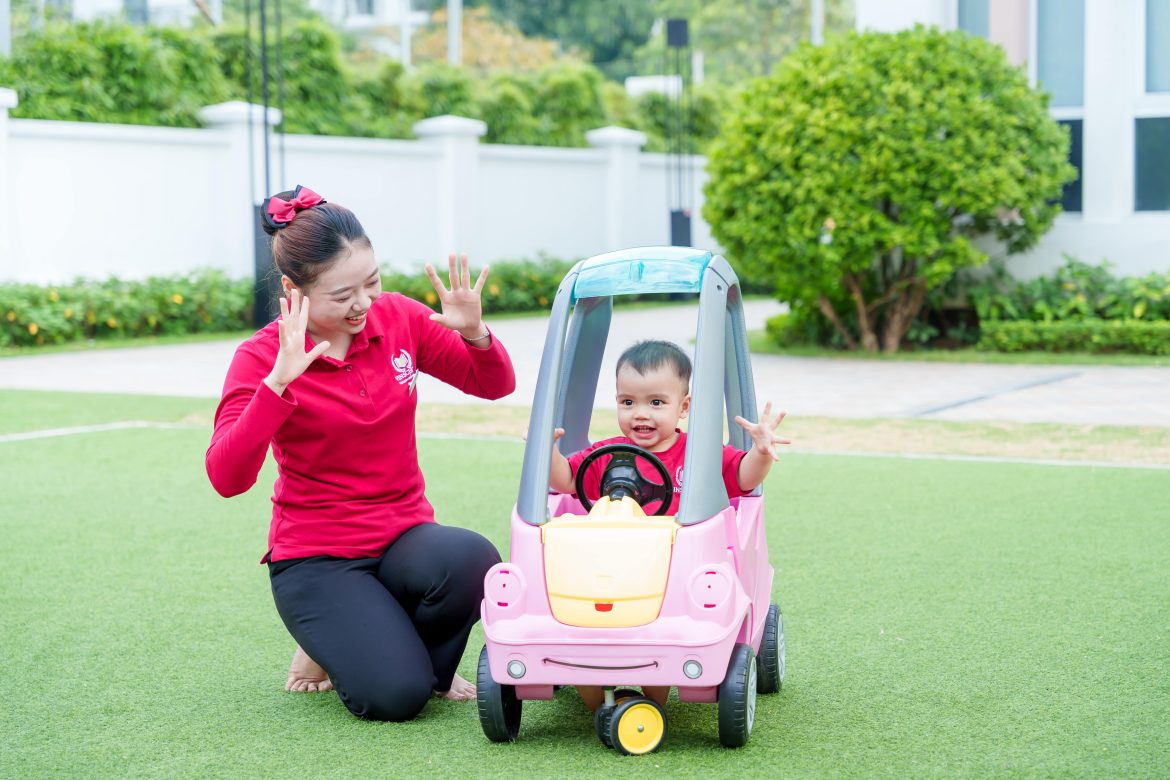
By 10–12 months, babies are quickly crawling, pulling themselves up to stand, cruising along furniture, taking their first steps, and eagerly exploring objects and reaching for things they want. These active motor skills are the crucial foundation that helps them confidently explore the classroom environment.
2. They show deep fascination with their environment
Your child may start imitating adults, listening attentively when you speak, and becoming captivated by new sounds and unfamiliar toys. This profound curiosity is the very first “spark of learning”, a cornerstone of the experiential learning philosophy central to early education.
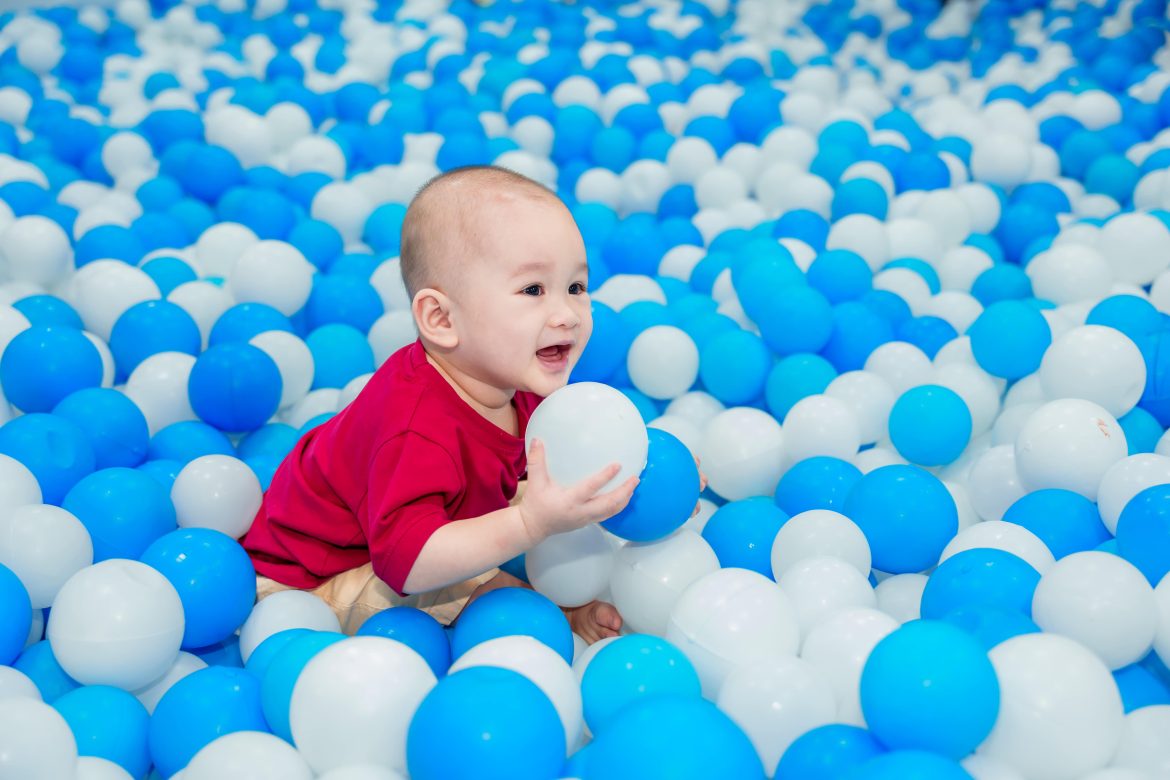 3. They begin to communicate through eye contact, gestures, and sounds
Even before they can form full sentences, babies may “call” you by babbling, pointing, or smiling when you respond. This signals the development of language skills and social interaction, an ideal foundation for small-group learning environments.
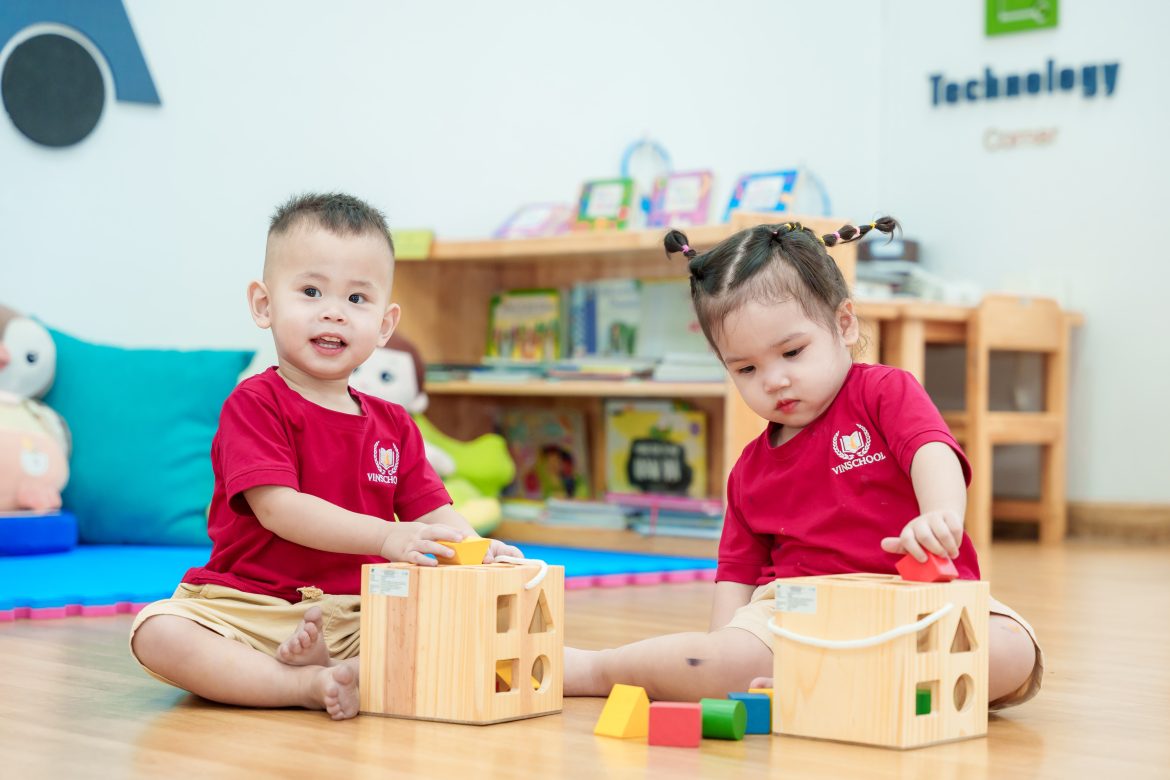 4. They seek social connections beyond the immediate family
If your child enjoys watching older kids, tries to approach peers, or lights up when a new friend joins the play, they are successfully transitioning from the stage of exclusive parental attachment toward establishing broader and healthier social relationships.
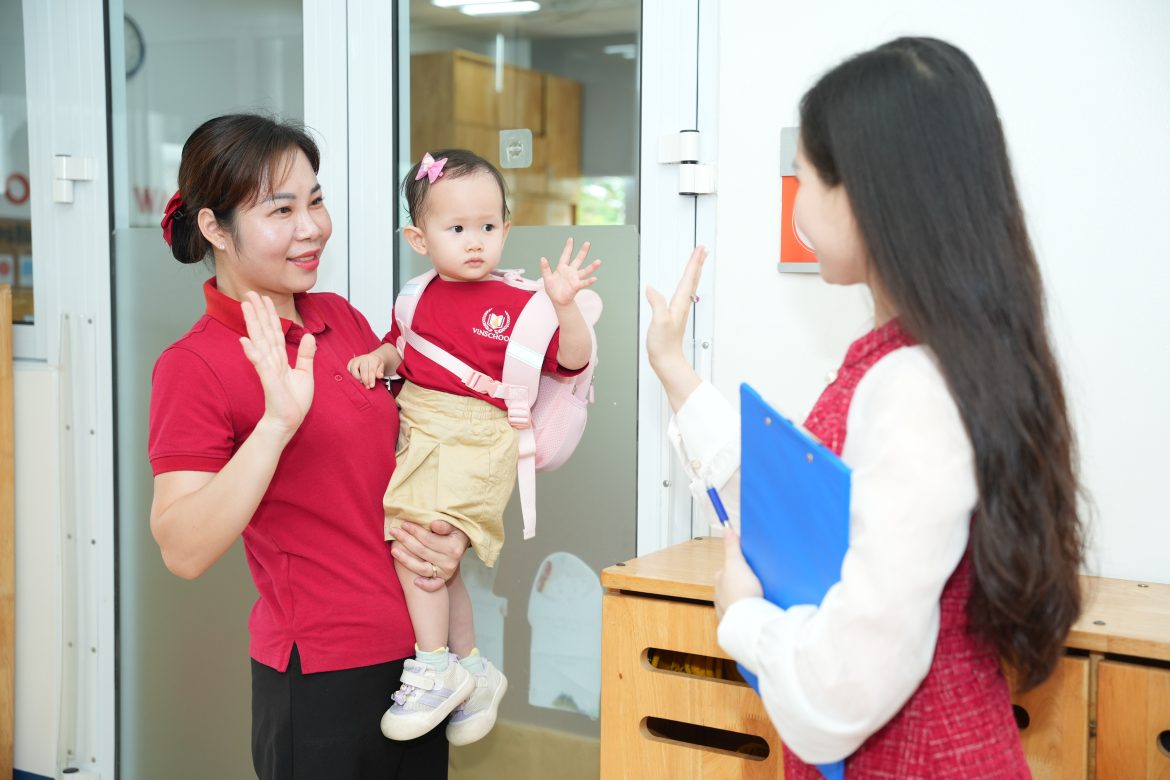 5. The child begins to follow a consistent daily routine
When your child is able to eat and sleep on a relatively predictable schedule, and can comfortably nap or rest in spaces outside your home, it signals an excellent time to introduce them to the structured rhythm of a school day, which is vital for building their independence.
While these five signs are a crucial guide for early learning, it is important to remember that each child develops differently and may not show all signs simultaneously. To support this transition, we encourage gently introducing your child to the school environment through structured visits or short play sessions, even if some expected milestones have not been met. This gentle exposure helps your child reduce initial apprehension, build a sense of security, and generate genuine excitement for formal enrollment later on.
WHY VINSCHOOL OFFERS PROGRAMS FOR CHILDREN FROM 12–17 MONTHS
Vinschool has launched its Early Years for 12-month-olds based on a clear understanding: The quality of experiences within the first 1,000 days of life not only shapes personal success but also profoundly influences lifelong development and society as a whole. The children we teach today will navigate the 22nd century. We recognize our responsibility to provide the optimal foundation for them to develop holistically right from this most critical early stage.