Exploring English Lessons that Develop Reading Comprehension Skills for 5-Year-Olds
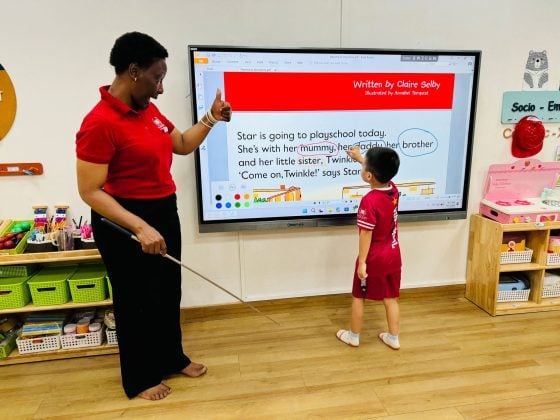
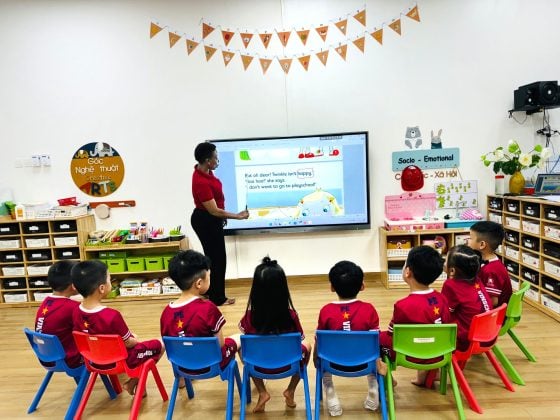
At Vinschool Smart City, children not only enhance their listening and speaking skills but also develop their reading comprehension abilities through a combination of Phonics lessons and ESL reading comprehension sessions. So, how do children learn reading comprehension? Through the Phonics program, they start from the basics, such as sound recognition and blending, and then progress to reading words and short sentences, ultimately leading to understanding the content of stories. This not only helps children read fluently but also deepens their comprehension of the stories and texts they encounter.
? Why is reading comprehension important? Reading comprehension helps children:
- Understand what they read, going beyond just spelling or pronouncing words correctly.
- Feel confident when approaching new stories and information, enriching their vocabulary.
- Develop thinking skills and connect ideas from stories to real-life experiences.
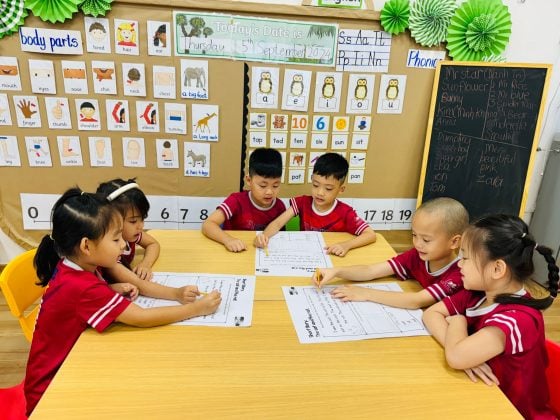
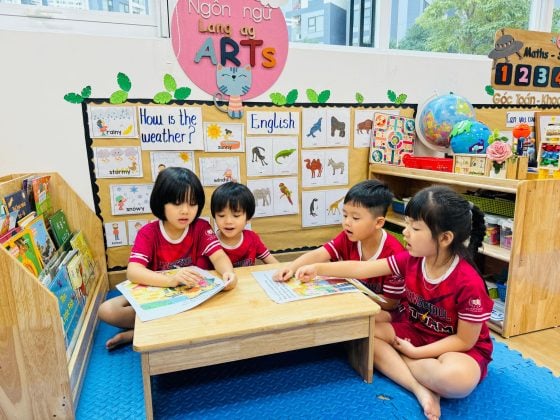
Learning through Experience – Developing Comprehensive Skills In each lesson, children are divided into small groups and participate in various learning stations, all aimed at enhancing reading comprehension. At each station, they engage in activities such as choosing the correct answer, cutting and pasting vocabulary words with illustrations, demonstrating their understanding of the text. They also work in pairs or groups, reading aloud and discussing to strengthen their sound blending, word recognition, and sentence structure comprehension. After completing the activities, children answer comprehension questions to consolidate their knowledge. These activities not only refine phonics and reading comprehension skills but also boost confidence and logical thinking in language acquisition.
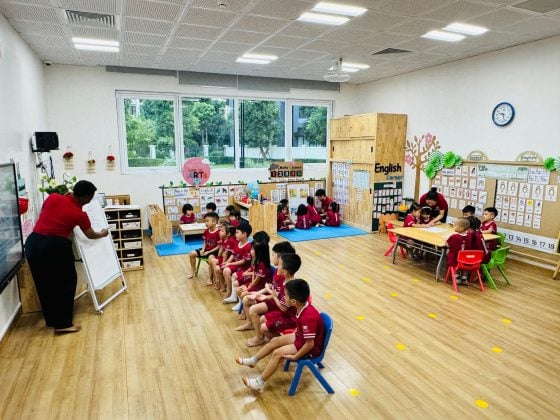
Learning with Appropriate Teacher Support Children participate in reading activities with guidance and encouragement from teachers, helping them naturally grasp knowledge and develop skills. Additionally, they can choose to work in pairs or groups, depending on their ability and preferences. This not only makes them feel comfortable but also encourages creativity and confidence in expressing their ideas. Children discuss the content they have read, share their feelings and thoughts, thereby reinforcing their comprehension and developing effective communication skills. Each child has the opportunity to learn in their own way, creating a friendly and positive learning environment.