When Mathematics Begins Beyond Numbers: How Children Build Logical Thinking in Early Childhood
At Vinschool Kindergarten, a mathematics lesson does not begin with numbers or calculations. Research in early childhood education shows that young children naturally develop mathematical thinking long before they are introduced to symbols and formal operations - through noticing patterns, making comparisons, and organizing the world around them. Guided by a teacher’s simple yet powerful question - “How are these animals similar and different?” - children aged 4–5 step into a world of exploration. What begins as observation quickly becomes discovery, as they start to make sense of their environment in their own ways.
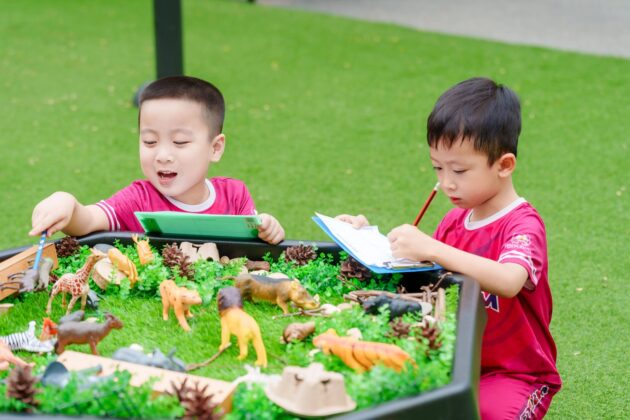
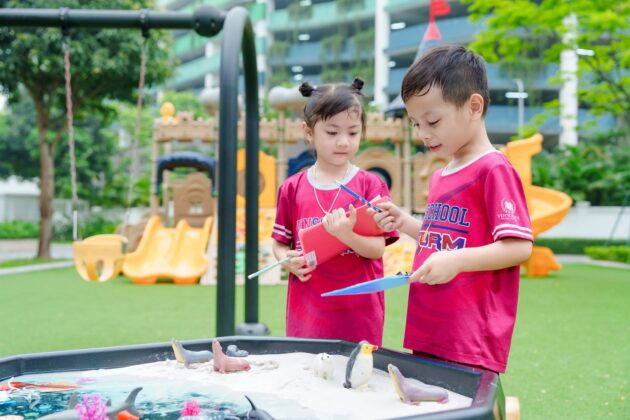
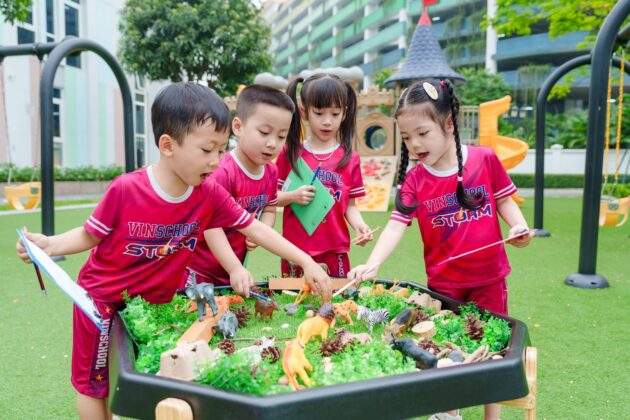
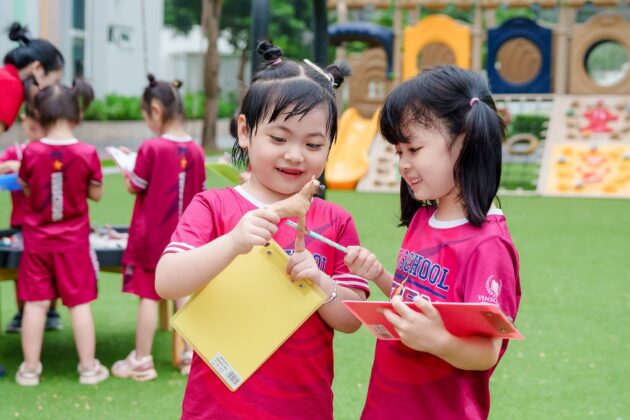
During sharing circle time, each exploration journal becomes more than a record. It becomes a “map of thinking,” revealing how each child interprets the world. “I grouped them together because they all have four legs”; “I placed this one separately because it lives in water.”
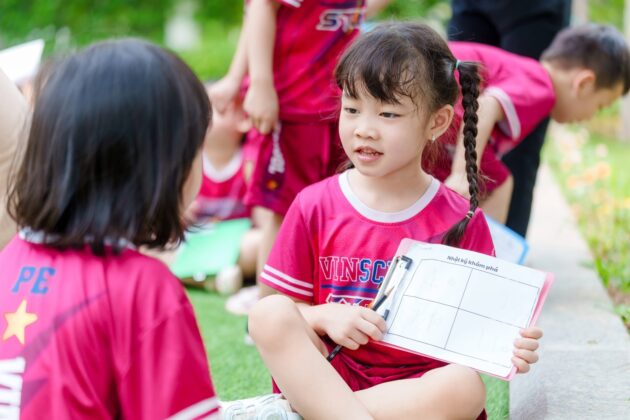
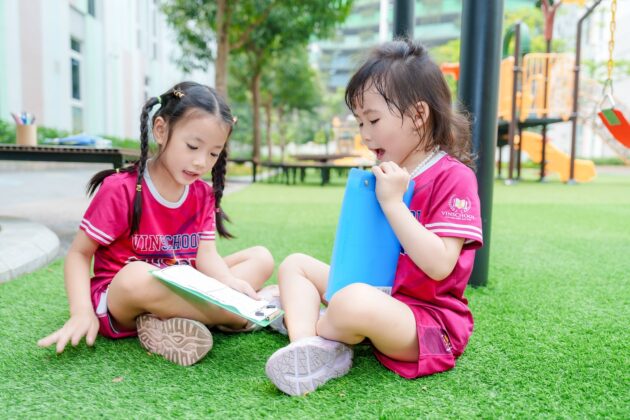
In group activities, children revisit and refine their ideas by classifying animals using different criteria, such as number of legs, presence of wings, or natural habitat. “This group lays eggs, while this group gives birth”; “This one has a tail, but this one does not.”
Rather than offering ready-made answers, teachers guide learning through open-ended questions, encouraging children to think independently, test their ideas, and listen to one another with curiosity and respect.
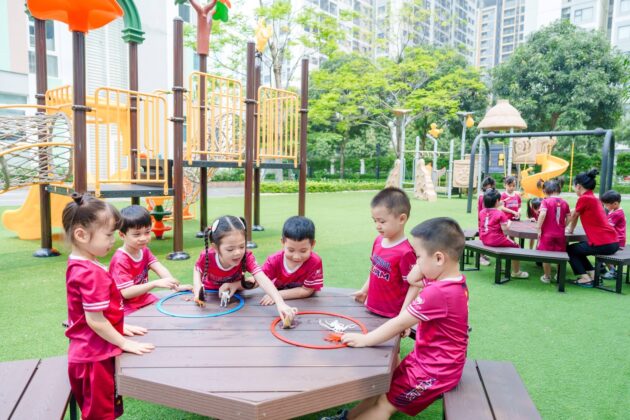
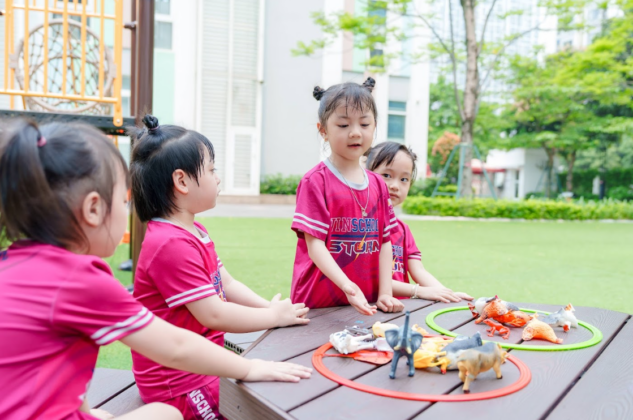
Through these experiences, children gradually develop a deeper understanding of the world around them. More importantly, they begin to build essential foundations: logical thinking, collaboration, communication, and the confidence to explore ideas independently.
At Vinschool, mathematics does not begin with numbers. It begins with a child’s natural desire to understand the world.