
“Decoding” psychological theories in Talk Psychology 2026 – Part 1: Biological & psychodynamic perspectives
In Talk Psychology 2026, Vinsers will take on the role of psychologists, analyzing a “psychological profile” through four major schools of thought: Biological, Psychodynamic, Humanistic, and Behavioral. These are among the most widely recognized theoretical foundations in clinical practice, offering a comprehensive understanding through diverse perspectives.
Let’s explore the theories that Vinsers will apply to unpack the case, starting with two foundational approaches—Biological and Psychodynamic—serving as key lenses to understand both physiological responses and the inner psychological conflicts experienced by the client.
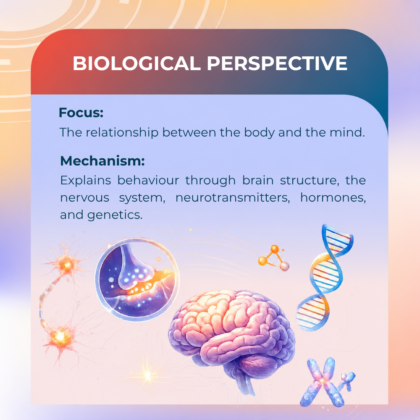
BIOLOGICAL PSYCHOLOGY: focuses on the body’s biological foundations, including the brain and endocrine system. This approach explains behavior through physiological states, neural activity, and chemical processes in the body, such as:
- Neural development mechanisms: Brain maturation influences emotional regulation, thinking, and decision-making abilities.
- Biological rhythms & recovery: Sleep, light exposure, and other biological factors act as an “invisible regulator,” affecting focus, memory, and emotional balance.
- Physiological response systems: Stress, instant rewards from digital environments, and other biological signals can shape motivation, habits, and readiness to learn.
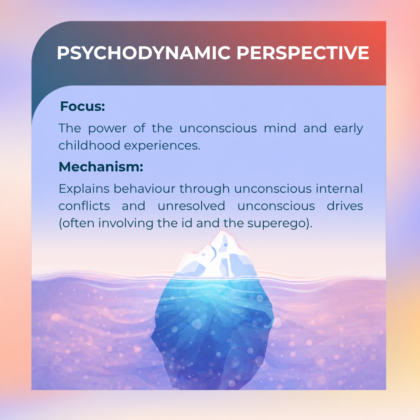
PSYCHODYNAMIC APPROACH: explores the “hidden” unconscious mind. It focuses on resolving internal conflicts between instinctual desires and social expectations, including:
- Conflict between personal desires and social norms (Id – Ego – Superego, Freud): Internal tension that influences behavior choices.
- Defense mechanisms: Responses such as avoidance, silence, or emotional suppression may be the mind’s way of “reducing load” under pressure.
- Identity formation process (Identity vs. Role Confusion – Erikson): The need to be understood and to affirm one’s sense of self.
- Moral development theory – Kohlberg: Balancing external expectations and personal values gradually shapes one’s sense of right and wrong and decision-making.
Don’t miss the Talk Psychology livestream to witness how Vinsers perform as student counselors, present professional analyses, and apply psychological theories to “decode” a challenging case. Stay tuned for the next feature, where the remaining two perspectives will be revealed with equally insightful angles!
- 8:00 PM, Thursday, April 2, 2026
- On Vinschool Fanpage
————-
With the educational simulation model “MINDLAB – Decoding a Psychological Profile,” Talk Psychology 2026—an academic forum applying AP Psychology knowledge for Vinschool high school students—creates a space for participants to take on the role of “aspiring psychologists” and directly analyze a simulated psychological case. By applying foundational theories such as Behavioral Psychology, Psychoanalysis, Humanistic Psychology, and Biological bases of behavior, students approach the case from multiple perspectives—Individual, Family, and Society—to explain the formation of emotions, motivations, and decision-making processes. Beyond academic knowledge, the program also fosters systems thinking, evidence-based reasoning, and an objective, empathetic mindset when approaching complex psychological issues in real life.