Join Vinschool in Protecting Children – Preventing the Flu at Home
Thursday, 06/11/2025, 17:11 (GMT+7)
“With the rise of Influenza A cases, which spread easily among children, preventing seasonal flu and other respiratory illnesses is crucial to control outbreaks and avoid severe symptoms or complications,” says Dr. Bui Viet Trung (Pediatrics – Vinmec), who also shares practical advice for parents.
- Young children, especially those aged 6 months to 5 years, are more susceptible to the flu and its complications than adults.
- Influenza viruses spread quickly through droplets from coughing, sneezing, talking, or contact with contaminated surfaces.
- Serious complications may include pneumonia, ear infections, and dehydration.
Prevention is therefore the top priority. Here are some practical measures you can take to protect your child:
Get the flu vaccination
- The Centers for Disease Control and Prevention (CDC) recommends that all children aged 6 months and older receive a seasonal flu vaccine each year.
- Children aged 6 months to 8 years who are receiving the flu vaccine for the first time, or who have not previously received two doses, require two doses spaced at least 4 weeks apart.
- Vaccination not only reduces the risk of contracting flu and requiring hospitalization for the child but also helps prevent the virus from spreading to others.
Practice strict personal and home hygiene
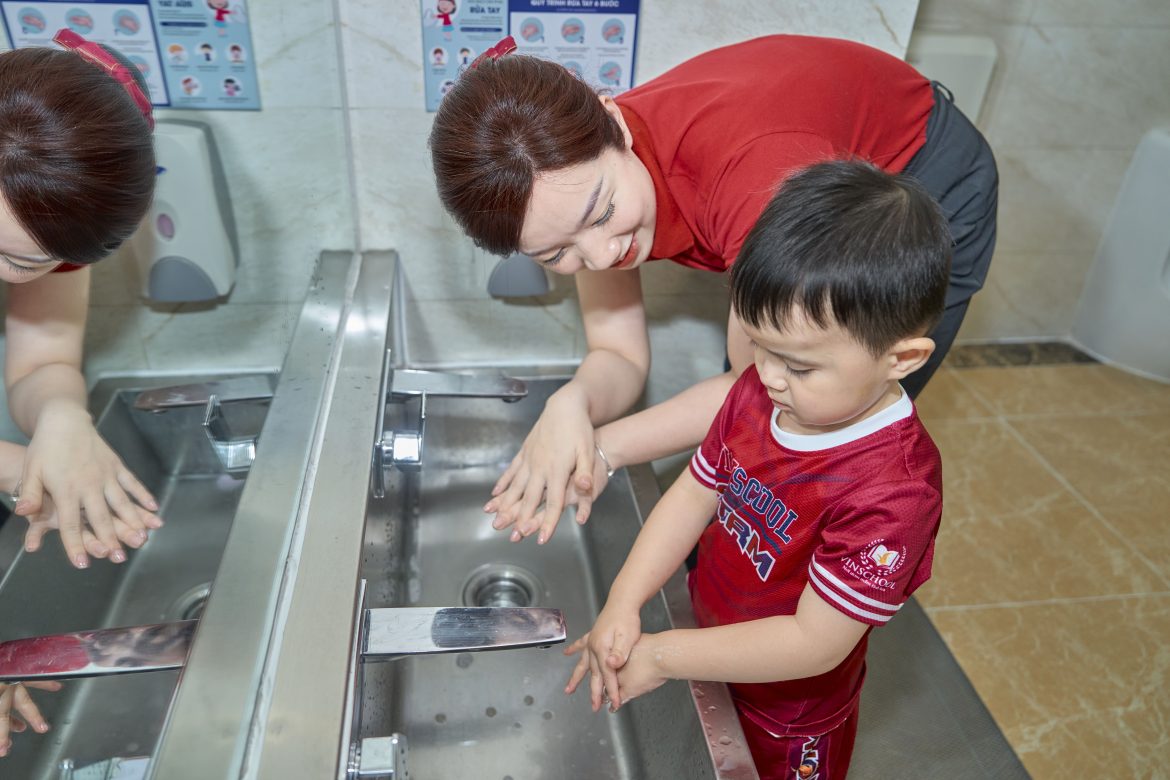
- Wash hands frequently, especially before meals, after using the restroom, and after touching commonly used surfaces.
- Instruct your child to cover their mouths when coughing or sneezing, using tissues and discarding them immediately, or coughing into the elbow if no tissue is unavailable.
- Discourage touching the eyes, nose, and mouth, which are common routes for virus transmission.
- Clean and disinfect frequently touched surfaces, such as door handles, toys, tables, and chairs, especially if someone in your household is sick.
Improve your living environment
- Improve ventilation by opening windows or using air purifiers to maintain clean air indoors.
- Maintain distance from sick individuals: if you or other family members have the flu, minimize close contact with your child until full recovery to prevent transmission.
Handle illness in your home
- If a child shows flu-like symptoms (fever, cough, fatigue, body aches, nasal congestion), keep them home, allow them to rest, and avoid school or playgroups to prevent spreading the virus.
- If you are caring for a sick child, wear a mask when interacting with them and wash your hands immediately after touching your child, their tissues, or contaminated objects.
- High-risk children (e.g., under 2 years old or with underlying conditions such as asthma or diabetes) who contract the flu should be seen by a doctor to consider antiviral treatment if recommended.
What you should do
- Get your family vaccinated and prepare for flu season early, typically during the colder months.
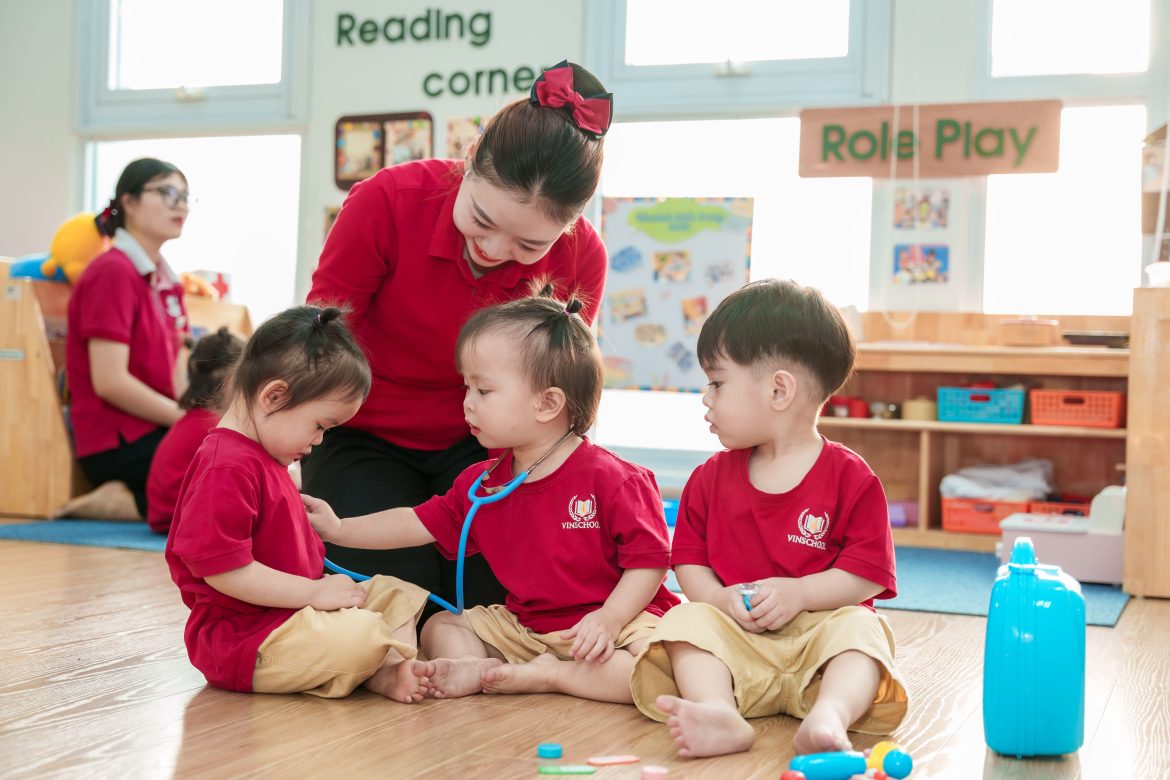
- Teach your child personal hygiene habits: proper handwashing -and using tissues when coughing or sneezing.
- Prepare a small home medical kit with tissues, hand sanitizer, a thermometer, sufficient water, and ensure your child gets enough sleep and proper nutrition to support their immune system.
- Maintain close communication with teachers and schools to stay informed about outbreaks and promptly report any symptoms in your child.
Reference list
- “Parents: Help Children Fight Flu” – CDC. (CDC)
- “Flu and Children” – CDC. (CDC)
- “Preventing Seasonal Flu” – CDC. (CDC)
- “AAP Influenza Vaccine Recommendations for 2025-26 Season” – HealthyChildren.org (AAP) (HealthyChildren.org)