Physical Activity: A Key Foundation For Children’s Holistic Development
Does your child seem unusually restless, irritable, or struggle to settle down at bedtime? Many parents exhaust every option – from dietary tweaks to new discipline strategies – only to find the root cause remains unaddressed. According to pediatric experts, the “missing link” is often simpler than we think: daily physical movement.
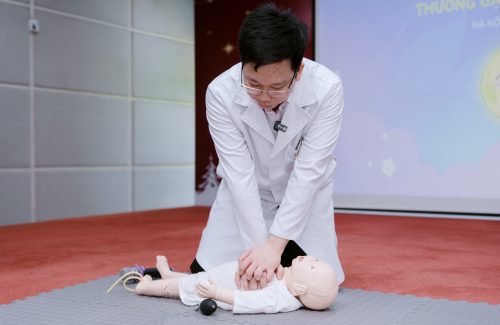
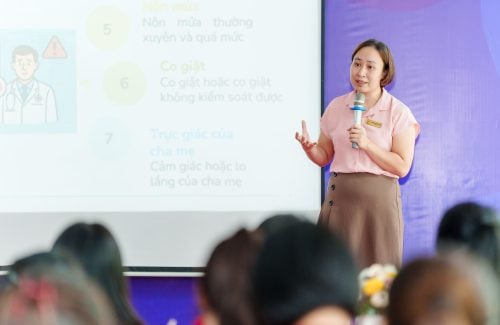
At a recent seminar, “The Impact of Movement on Sleep, Behavior, and Cognition,” MSc. Dr. Bui Viet Trung (Department of Pediatrics, Vinmec International Hospital) noted that consistent movement does more than just build physical strength; it is a powerful tool for emotional regulation and a proactive measure to reduce the risk of childhood depression and anxiety. Furthermore, exercise is instrumental in enhancing sleep quality and fueling essential brain development.
In practice, however, many children fall short of the daily activity levels recommended by global health organizations. Early identification of signs related to physical inactivity and the establishment of age-appropriate exercise habits are vital milestones in supporting a child’s comprehensive growth.
Why movement is the bedrock of development?
Beyond the self-evident physical gains, such as skeletal integrity, muscular development, increased stamina, and metabolic health, physical activity is now recognized as a primary architect of the developing brain.
The role of physical activity in brain development
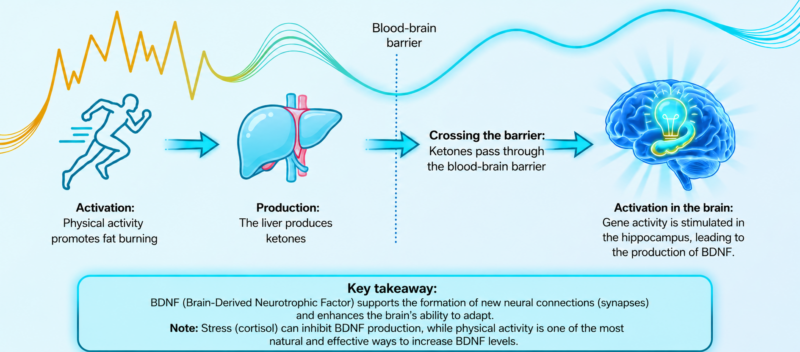
When children engage in physical activity, their bodies expend energy and activate various physiological processes that are beneficial for the brain. Research shows that regular physical activity may alter certain metabolites in the body (such as ketones and lactate), which are believed to support the function of the hippocampus – the brain region closely associated with learning and memory. At the same time, physical activity has been shown to stimulate the production of Brain-Derived Neurotrophic Factor (BDNF), a neurotrophic factor that contributes to the formation and strengthening of neural connections (synapses). This, in turn, supports memory, concentration, and cognitive flexibility in children.
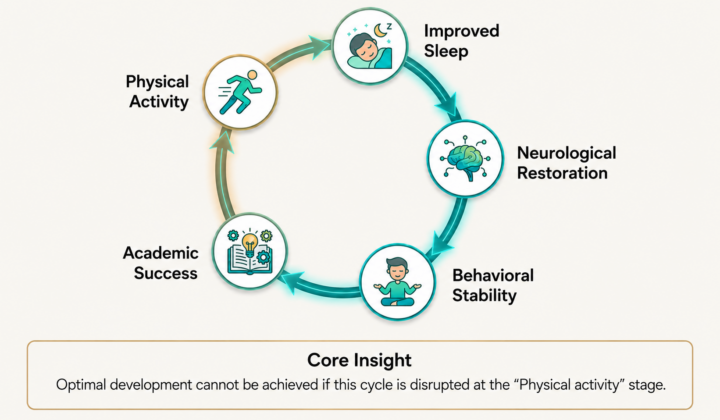
Many experts consider physical activity to be an important link in a “positive cycle” for brain development: Physical Activity → Improved Sleep → Neurological Restoration → Behavioral Stability → Academic Success.
Signs that may suggest a child is not getting enough physical activity
Parents may refer to the following as possible indicators that a child may not be getting sufficient physical activity relative to their needs. It should be noted that these are not medical diagnostic criteria, and these signs may also be related to other causes. If there are concerns, parents are encouraged to consult with a doctor or specialist.
Motor development:
- Delayed motor milestones (e.g., not walking by around 18 months, not running by 24 months, etc.)
- Clumsiness, frequent tripping or falling, poorer balance compared to peers
- Limited interest or initiative in activities such as climbing, jumping, running, or active play
Cognitive and attention-related:
- Difficulty maintaining focus on an activity for 5–10 minutes appropriate to age
- Quickly becoming bored and frequently wanting to switch activities
- Difficulty following simple instructions or completing tasks
Emotional and behavioral:
- Frequent irritability, emotional outbursts, tantrums, difficulty with self-regulation
- Restlessness, difficulty sitting still, constant fidgeting during daily activities
A practical approach for parents to consider whether these signs may be partly related to insufficient physical activity is to gradually increase active movement time (approximately 30–60 minutes per day) over 5–7 days, ensuring safety and age appropriateness. If, during this period, improvements are observed, such as deeper sleep, reduced irritability, and better concentration, it may suggest that the child’s previous activity level did not fully meet their needs. However, if concerning or unusual signs persist, parents should consult a doctor or specialist for a more comprehensive assessment.
Guidelines for building physical activity habits
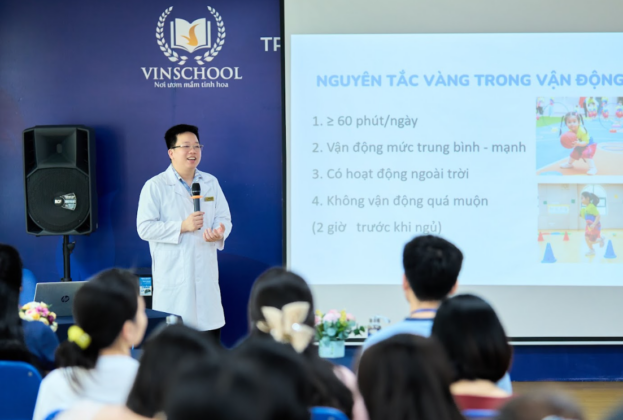
To maximize the benefits of physical activity for physical, emotional, and cognitive development, parents may consider the following principles, based on international recommendations:
- Ensure at least 60 minutes of moderate-to-vigorous physical activity per day (depending on age)
For preschool children, this time can be included within a total of approximately 180 minutes of physical activity at varying intensities throughout the day. It is advisable to divide this into shorter sessions of 15–20 minutes to suit children’s physical condition, avoid overexertion, and maintain engagement. - Prioritize age-appropriate moderate-to-vigorous activities
Encourage children to run, jump, climb, play sports, or participate in outdoor physical games, rather than focusing only on light indoor movements. - Increase outdoor activity
Outdoor activities not only support physical development but also help regulate natural circadian rhythms through exposure to light and fresh air, contributing to better sleep quality. - Avoid intense activity close to bedtime
Vigorous activities should ideally end at least 2 hours before bedtime, allowing the body and nervous system time to relax and support deeper sleep.
Physical activity and sleep needs by age
Based on international recommendations (such as those from the World Health Organization), children’s needs for physical activity, sleep, and sedentary time (including screen time) vary by developmental stage. Parents may adjust their children’s routines based on the following reference guidelines:
Infants (under 1 year old)
- Sleep:
- 0–3 months: approximately 14–17 hours/day
- 4–11 months: approximately 12–16 hours/day (including naps)
- Physical activity:
- Children should be given opportunities for movement multiple times throughout the day through activities such as floor play, interaction with caregivers, reading, conversation, and age-appropriate games.
- For infants not yet crawling, supervised tummy time is recommended for at least a total of 30 minutes per day, divided into multiple sessions.
Children aged 1–5 years
- Sleep:
-
- 1–2 years: approximately 11–14 hours/day
- 3–5 years: approximately 10–13 hours/day
Consistent sleep schedules (regular bedtimes and wake-up times) are recommended to support circadian rhythms.
- Physical activity:
-
- Children aged 1–4 years are recommended to have at least 180 minutes of physical activity per day at varying intensities, with “more being better” within safe limits.
- For children aged 3–4 years, at least 60 minutes of this should be moderate-to-vigorous activity (e.g., running, jumping, active play).
Children should not remain sedentary or restrained (e.g., in chairs, strollers, or in front of screens) for more than 1 hour at a time, except during sleep.
- Screen time:
-
- Around age 1: screen exposure should be minimized as much as possible, especially passive content; many guidelines recommend avoiding screen use at this age except for limited, interactive situations with adult supervision.
- Ages 2–5: passive screen time (TV, videos, electronic devices) should be limited to no more than approximately 1 hour per day; less is better, with priority given to active play, creative activities, and direct interaction with adults and peers.
In daily life, parents can flexibly incorporate simple physical activities such as taking the stairs, walking together, playing chase, kicking a ball, riding a bicycle, or participating in outdoor games. These activities not only help enhance physical development but also strengthen family bonds and naturally foster positive movement habits in children.
Physical Education at Vinschool Kindergarten
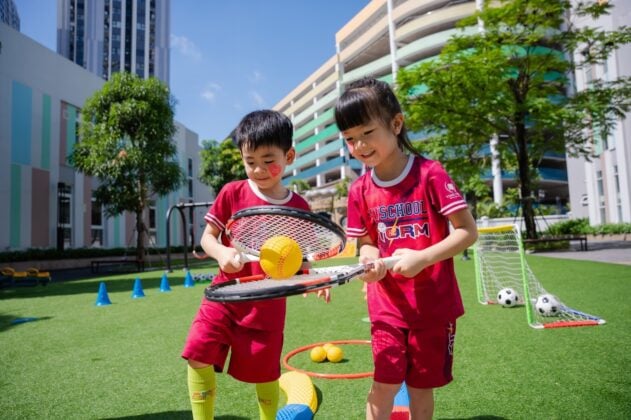
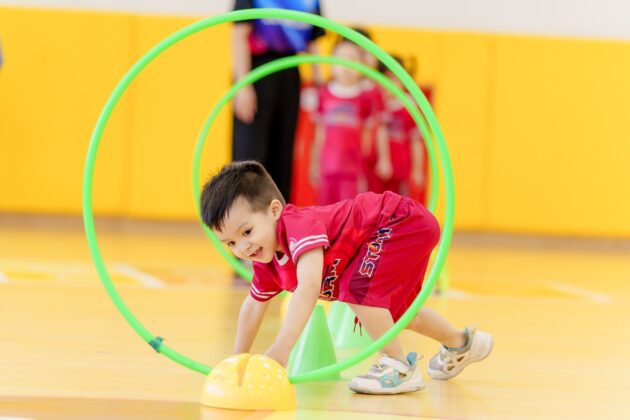
Alongside our proprietary physical education program from Singapore, students participate in a diverse range of indoor and outdoor activities woven into their daily schedule. These programs are designed to help children master both gross motor skills (running, jumping, climbing) and fine motor skills (hand-eye coordination and manual dexterity) appropriate for each age.
With state-of-the-art facilities and specialized learning-through-play spaces, Vinschool provides an environment where children can explore their physical limits safely, building agility and a natural passion for an active lifestyle.
By ensuring children move correctly and sufficiently each day – supported by sound nutrition, healthy sleep habits, and a safe psychological environment – we empower them to reach their full potential in physical, emotional, and cognitive domains.