Hands-On Science: Grade 5 Vinsers Build Models To Explore How We Breathe
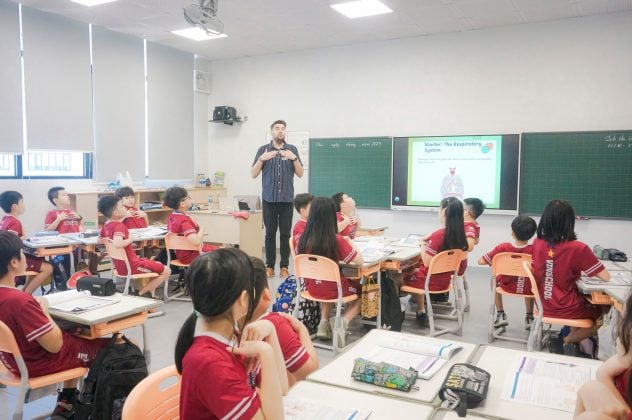
In their Cambridge Science class at Vinschool Smart City Primary, Grade 5 students had the chance to bring learning to life by observing, predicting, and building their own lung – diaphragm models. The activity not only deepened their understanding of how the respiratory system works but also strengthened their scientific thinking, observation skills, and teamwork.
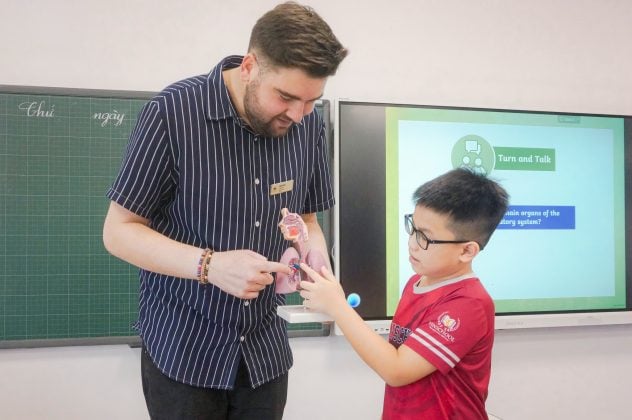
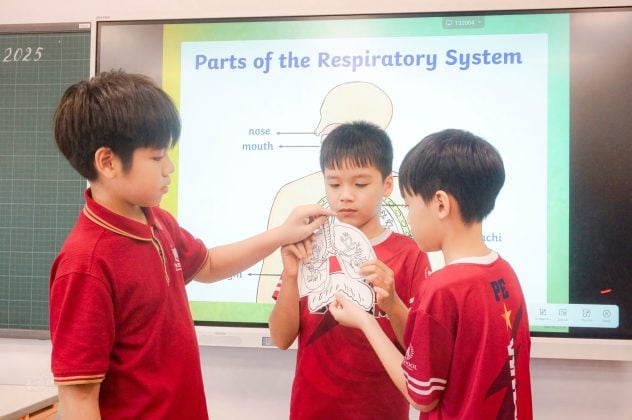
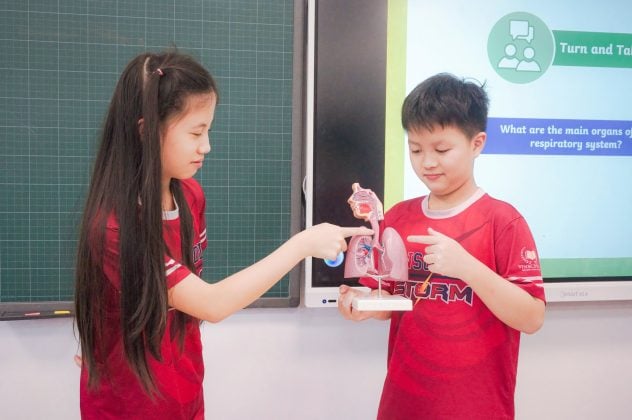
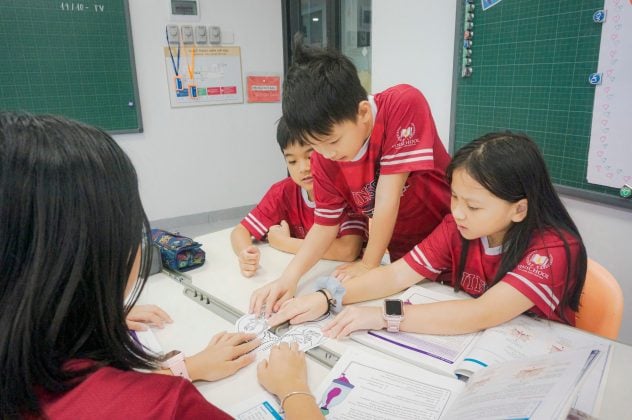
ASKING QUESTIONS AND MAKING PREDICTIONS: Starting from observing an anatomical model, students were encouraged to ask questions. Then, they predicted that the lungs expand during inhalation and contract during exhalation.
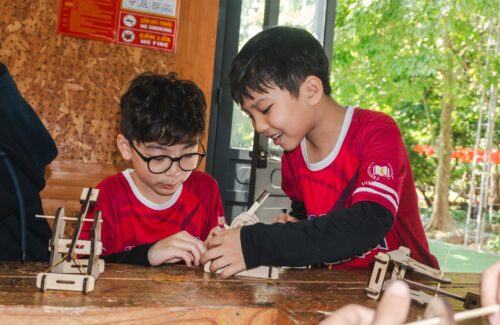
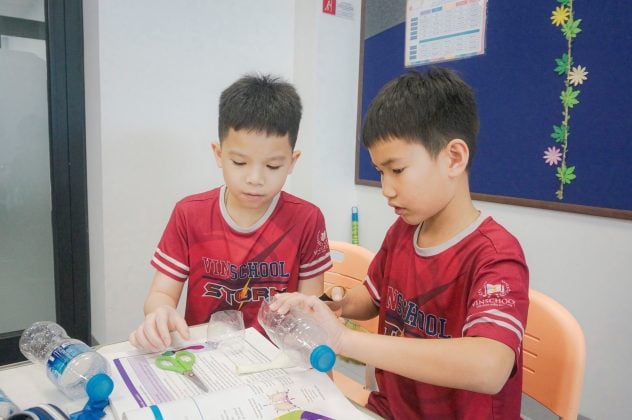
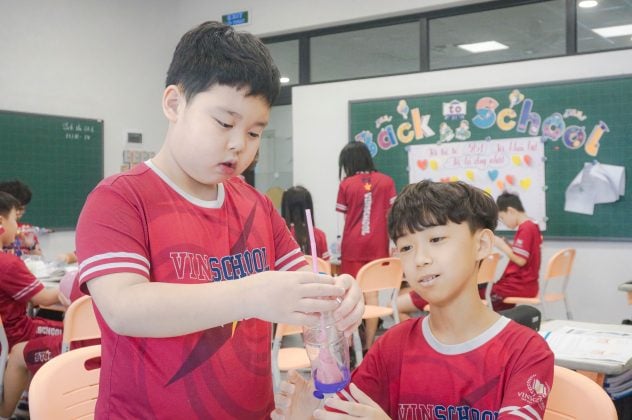
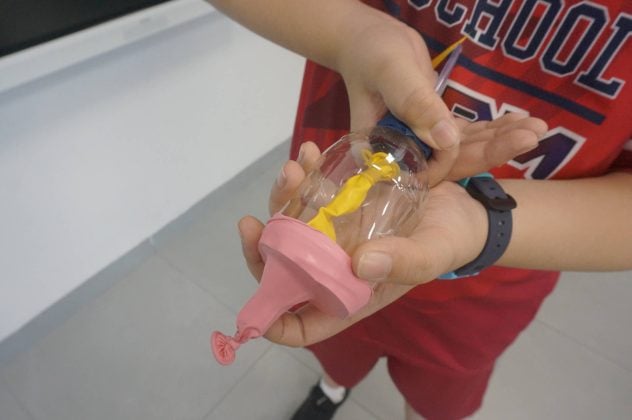
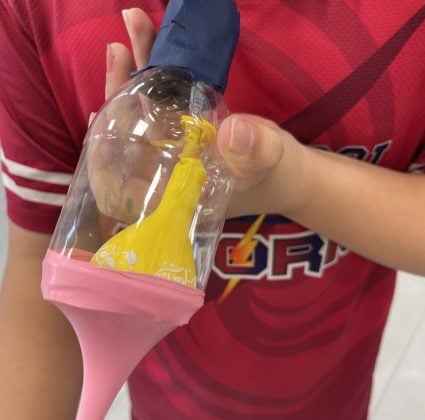
EXPERIMENTING AND OBSERVING: With simple materials, Vinsers created models of the rib cage, lungs, and diaphragm. Pulling the balloon at the bottom (the diaphragm) made the bottle (the rib cage) expand, and the smaller balloon inside (the lung) inflate. Releasing it caused the bottle to contract and the “lung” to deflate.
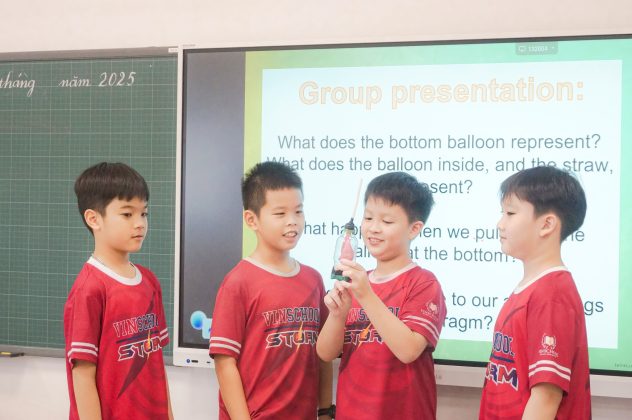
DRAWING CONCLUSIONS: From this experiment, students discovered that the lungs themselves do not inflate or deflate on their own. Instead, the change is the result of the diaphragm, intercostal muscles, and rib cage working together to create inhalation and exhalation.
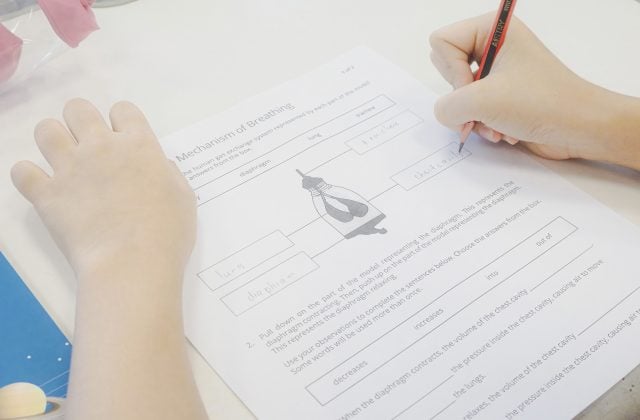
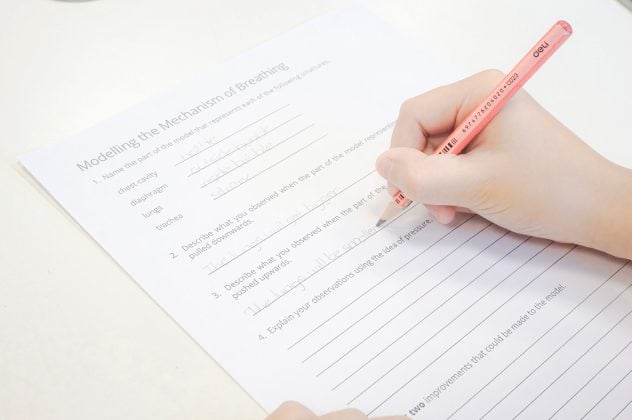
By going through the full process of predicting – experimenting – observing – concluding, Grade 5 Vinsers not only gained a clearer understanding of breathing but also experienced science in a modern, hands-on way. They practiced analysis, sharpened their observation skills, built team spirit, and nurtured curiosity and a genuine love for learning.