Exploring The Universe From The Classroom – Discovering Earth’s Motion With Vinsers
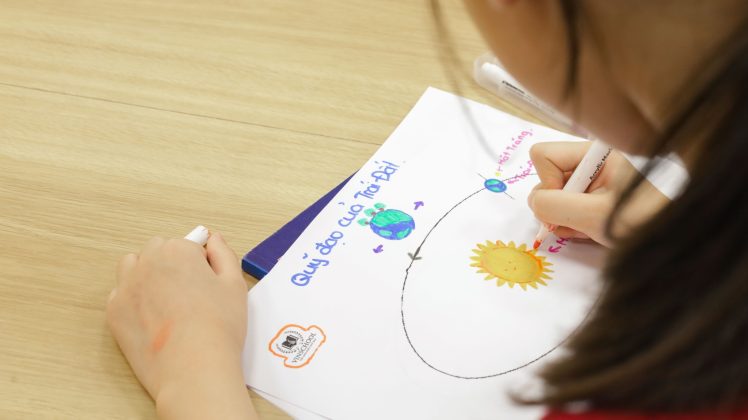
“The Earth revolves around the Sun” – a fascinating science topic that Grade 4 Vinsers at Vinschool Smart City Primary School explored in an engaging, interactive, and exciting way. Through simulations and hands-on experiences, students not only grasped the movement and orbit of Earth but also confidently explained this scientific phenomenon from their own perspective and reasoning.
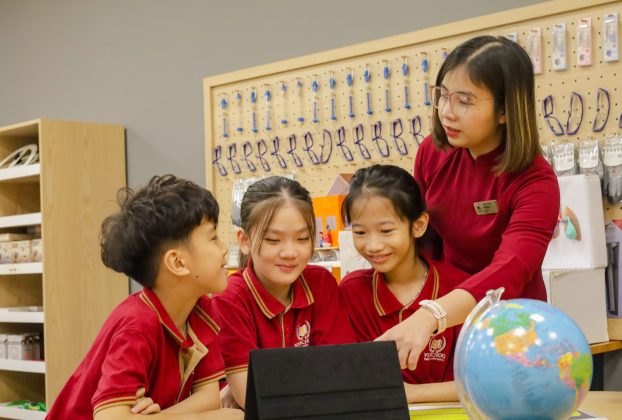
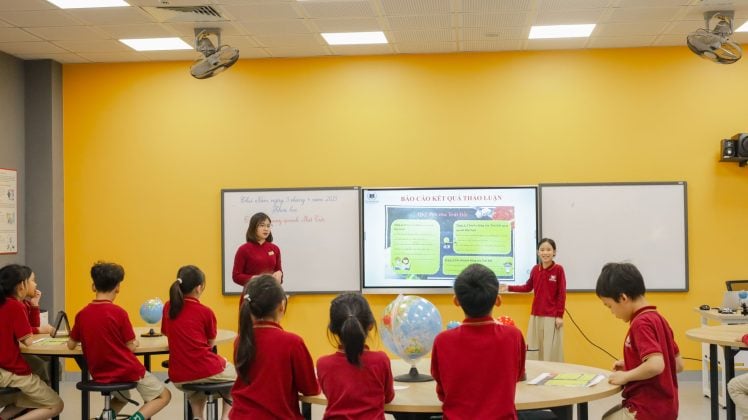
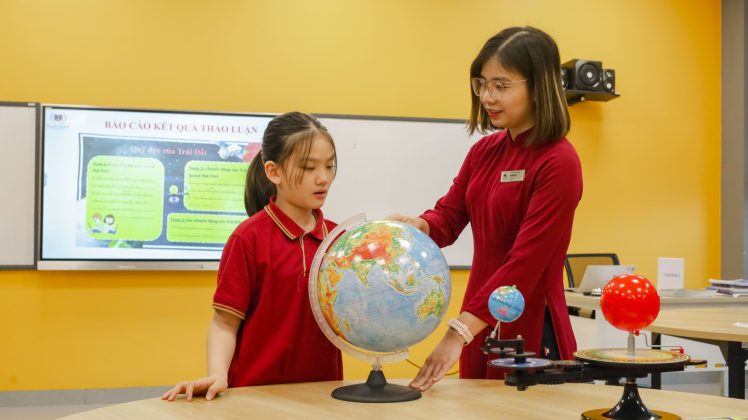
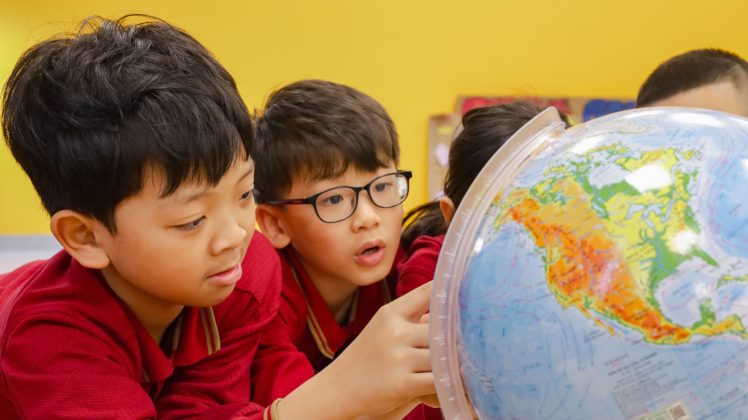
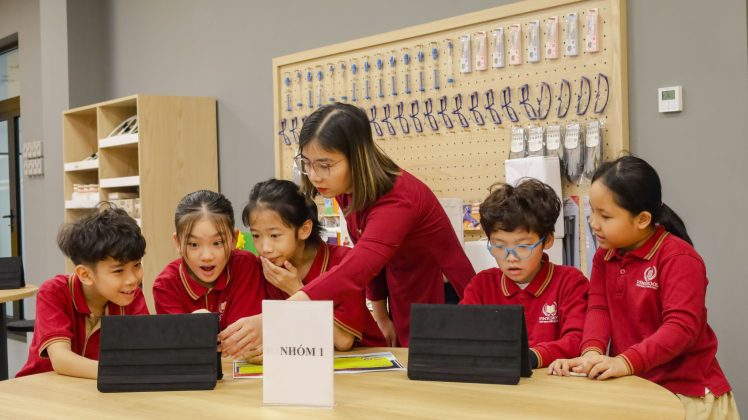
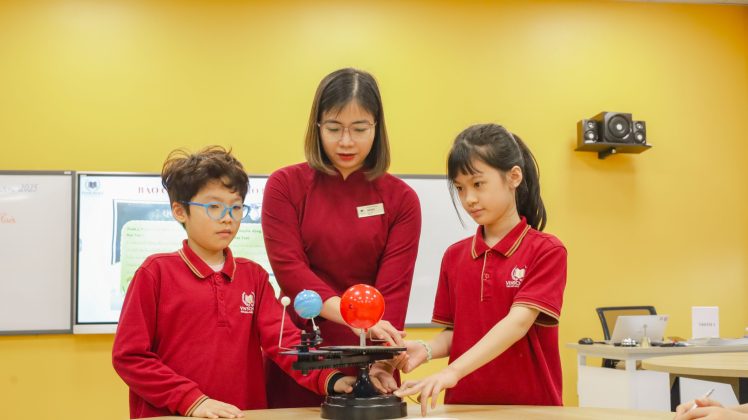
Learn by Doing – Understand through Experience: Instead of starting with theoretical concepts, students began the lesson with predictions and discussions. They were then divided into small research groups, each tasked with different learning stations. Their activities included operating a model simulating Earth’s orbit, independently researching from credible sources, observing Eath’s motion through videos, and experiencing it firsthand with VR headsets.
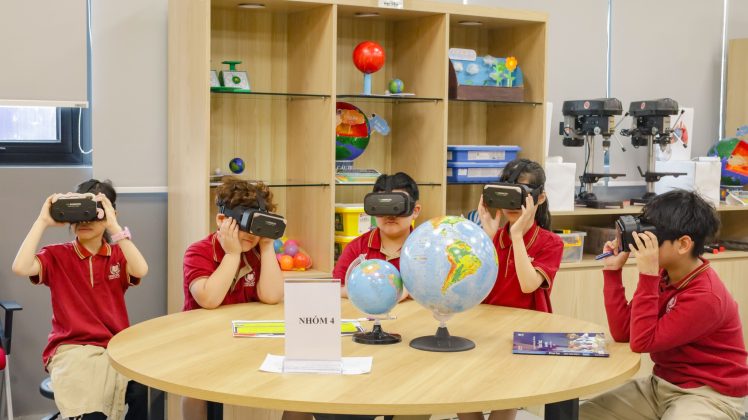
Developing Scientific Thinking and Teamwork Skills: Each research station provided clear objectives, encouraging students to approach learning dynamically. Initial incorrect predictions were not dismissed; instead, they served as the foundation for deeper exploration. Through this process, students realized that scientific research is an iterative cycle of hypothesis-making and testing until the right answers are found.
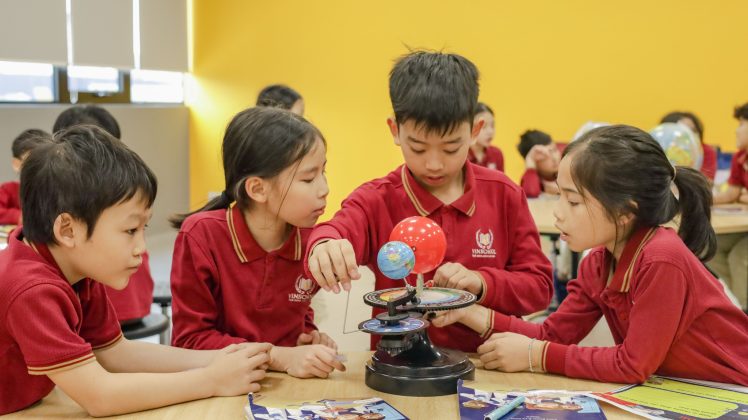
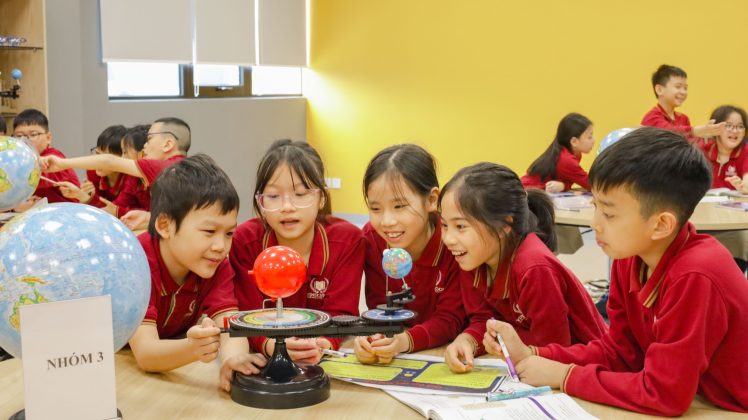
Following their hands-on research, Grade 4 Vinsers confidently presented their findings:
- The phenomenon of day and night occurs due to Earth’s rotation around its axis.
- Their model of Earth’s orbit needed adjustments, as Earth moves around the Sun in an elliptical orbit rather than a perfect circle.
- Earth’s orbital motion around the Sun causes the four seasons and takes approximately 365.25 days to complete one full revolution.
- To align the solar calendar with Earth’s movement, leap years were introduced, adding an extra day (February 29) every four years to compensate for the accumulated 0.25 extra day each year.
Vinsers’ scientific exploration was further enhanced by advanced facilities and modern technology tools, including tablets for research and VR headsets, allowing them to embark on a virtual space journey and witness Earth’s motion around the Sun in an immersive way.
This engaging approach nurtured curiosity, critical thinking, and teamwork, helping students build a solid understanding of complex scientific concepts while making learning an exciting adventure.