Building Phonics Foundation to Develop Literacy for Kindergarten Children
The Phonics Phase 2 program helps 5-year-old children build an important foundation for learning to read and write, including letter and sound recognition, blending and segmenting. Children learn each group of phonemes from basic sounds to digraphs. With diverse teaching methods including a variety of games, songs, and materials, children approach sounds and letters naturally which helps to improve their pronunciation and literacy. Learning Phonics prepares children with a solid foundation, supporting them to be more confident and proficient when entering higher levels of education.
Let’s have a look at how 5-year-old Vinsers learn Phonics at Vinschool Kindergarten!
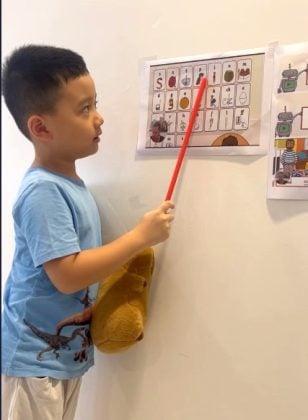
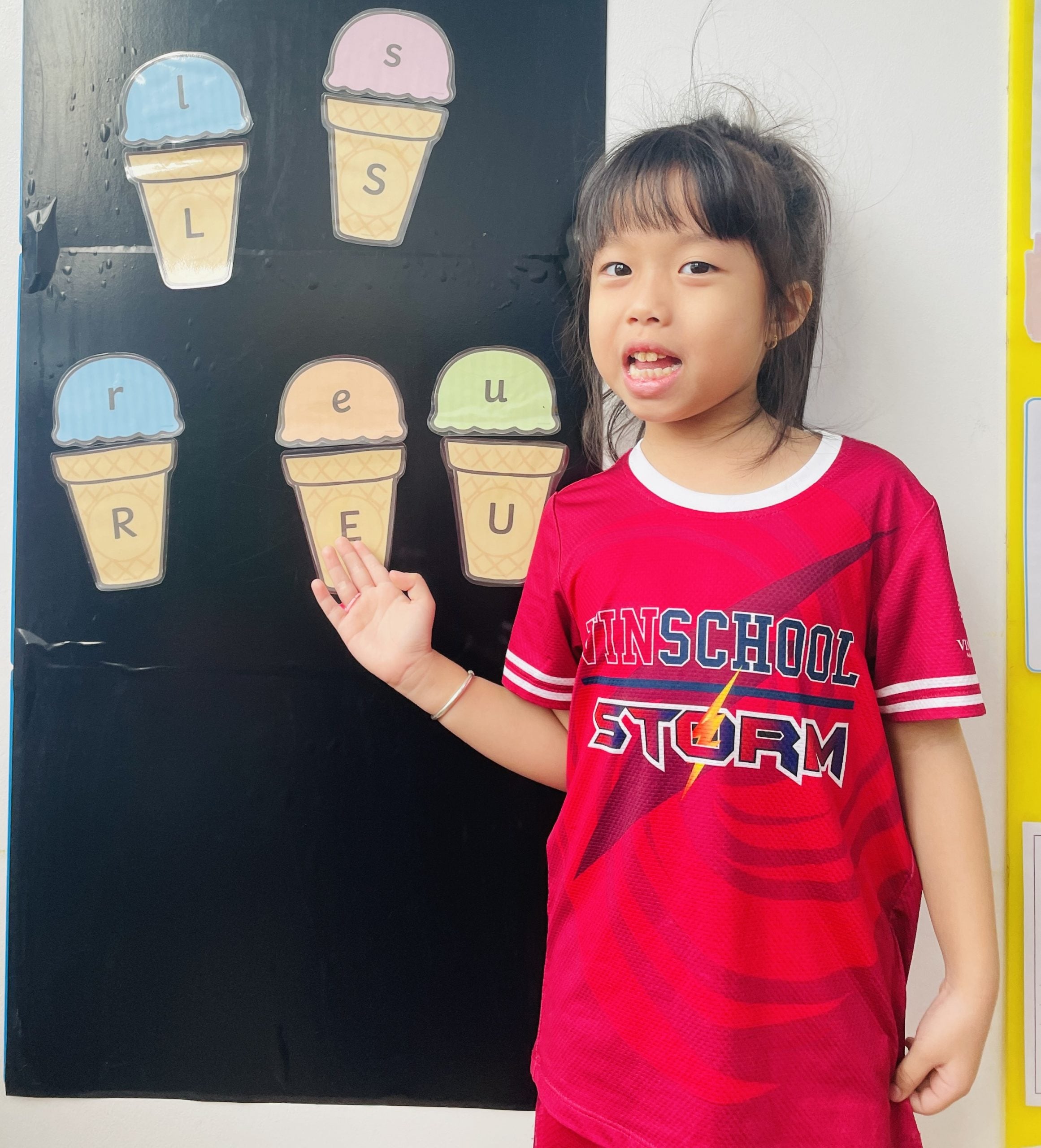
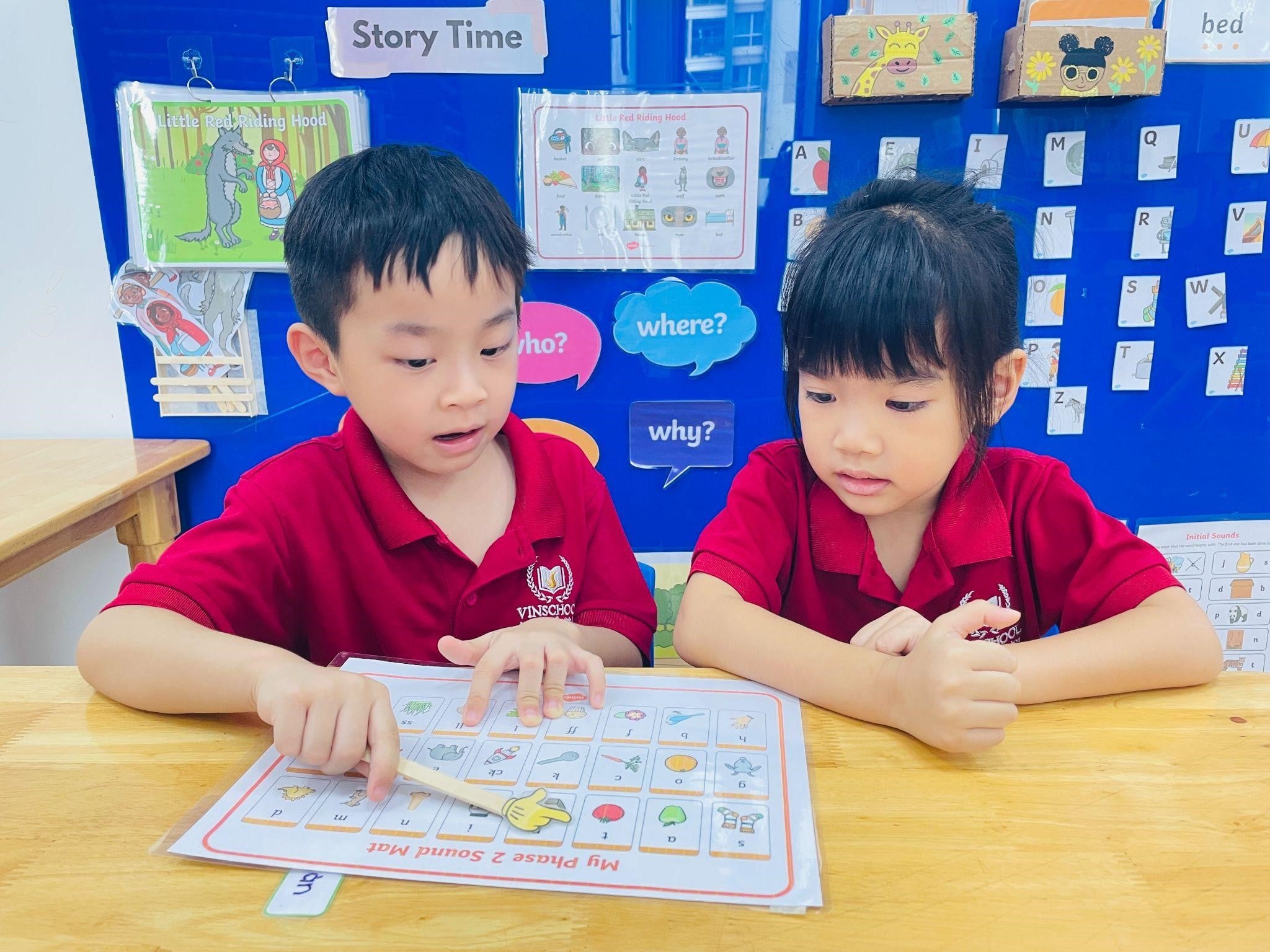
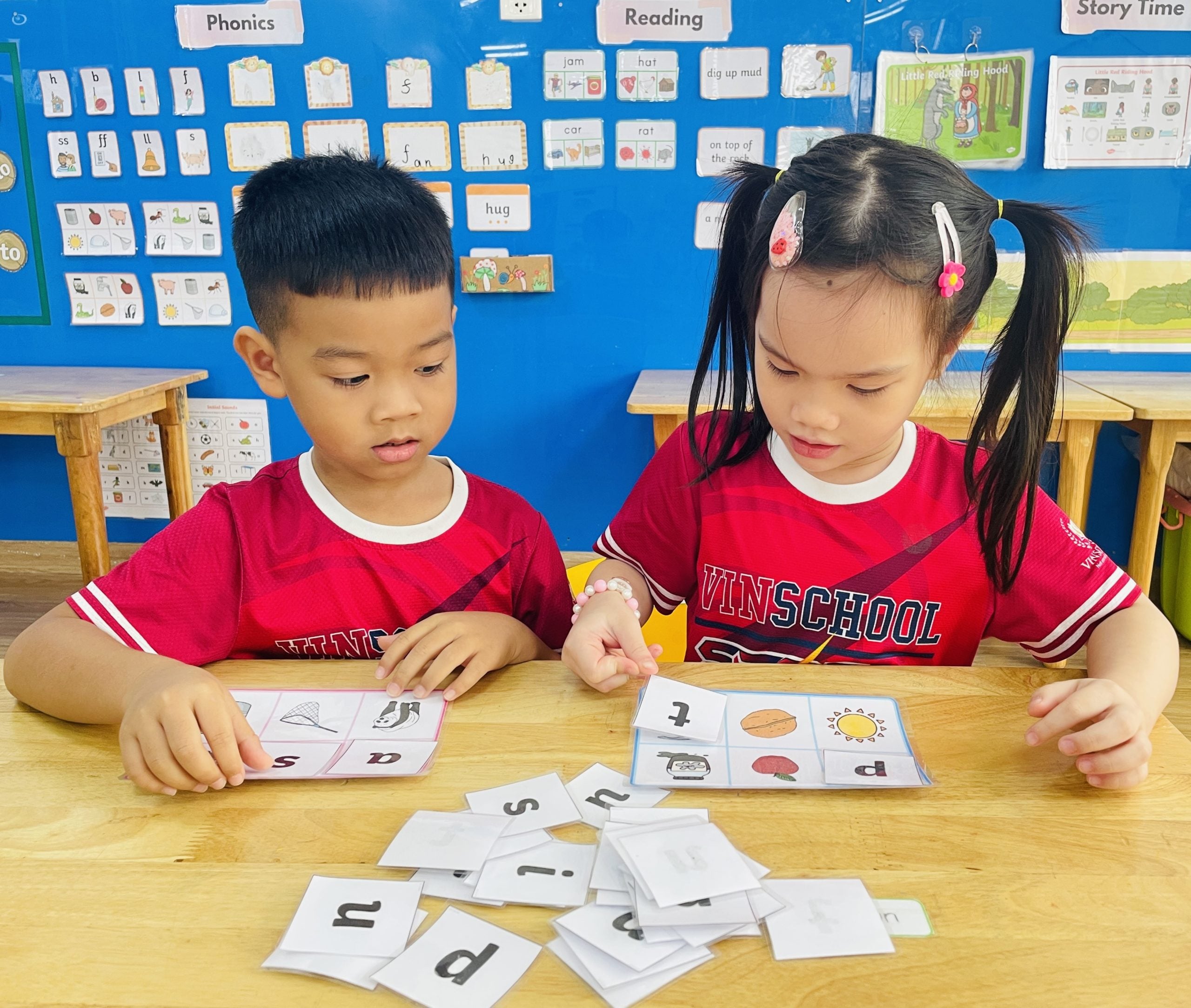
- Identify and say the sound: Children learn each phoneme separately from easy to difficult, starting with basic phonemes like “s, a, t, p” to more complicated digraphs like “ch, sh, th, ng”. Each phoneme is introduced with visuals, actions, sounds and songs to help children easily identify, memorize and engage in learning Phonics.
- Practice pronunciation: Children are guided to pronounce each phoneme as well as word clearly and accurately to develop their English pronunciation. This also helps children develop their listening and sound discrimination skills.
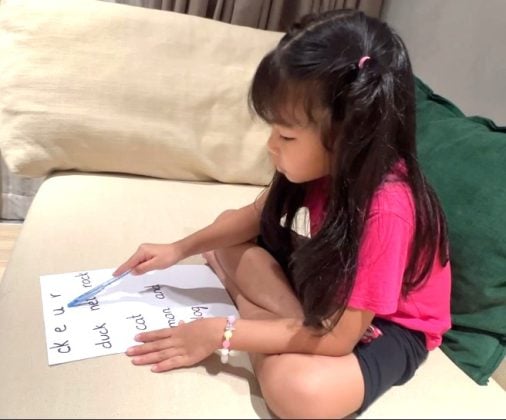
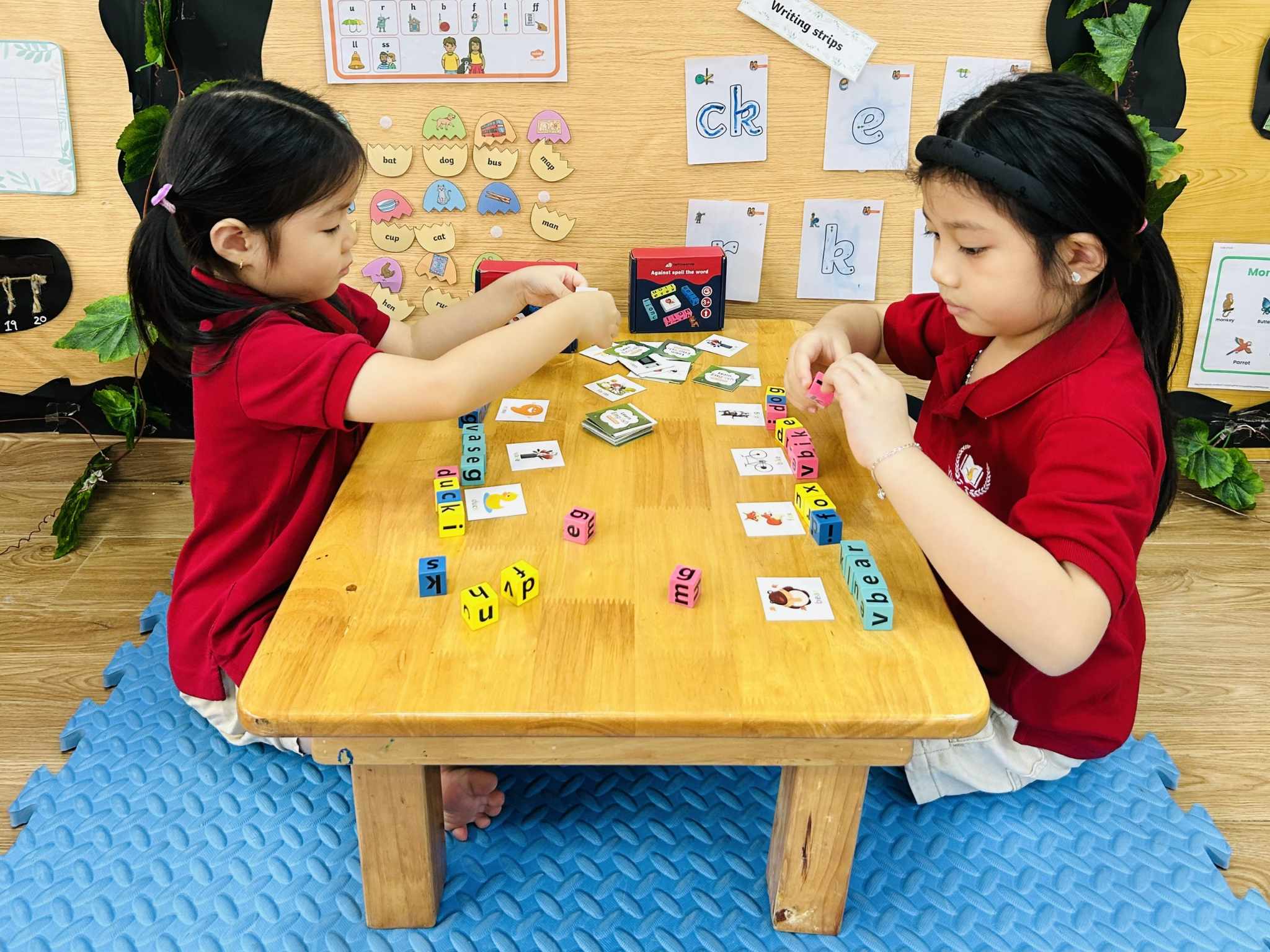
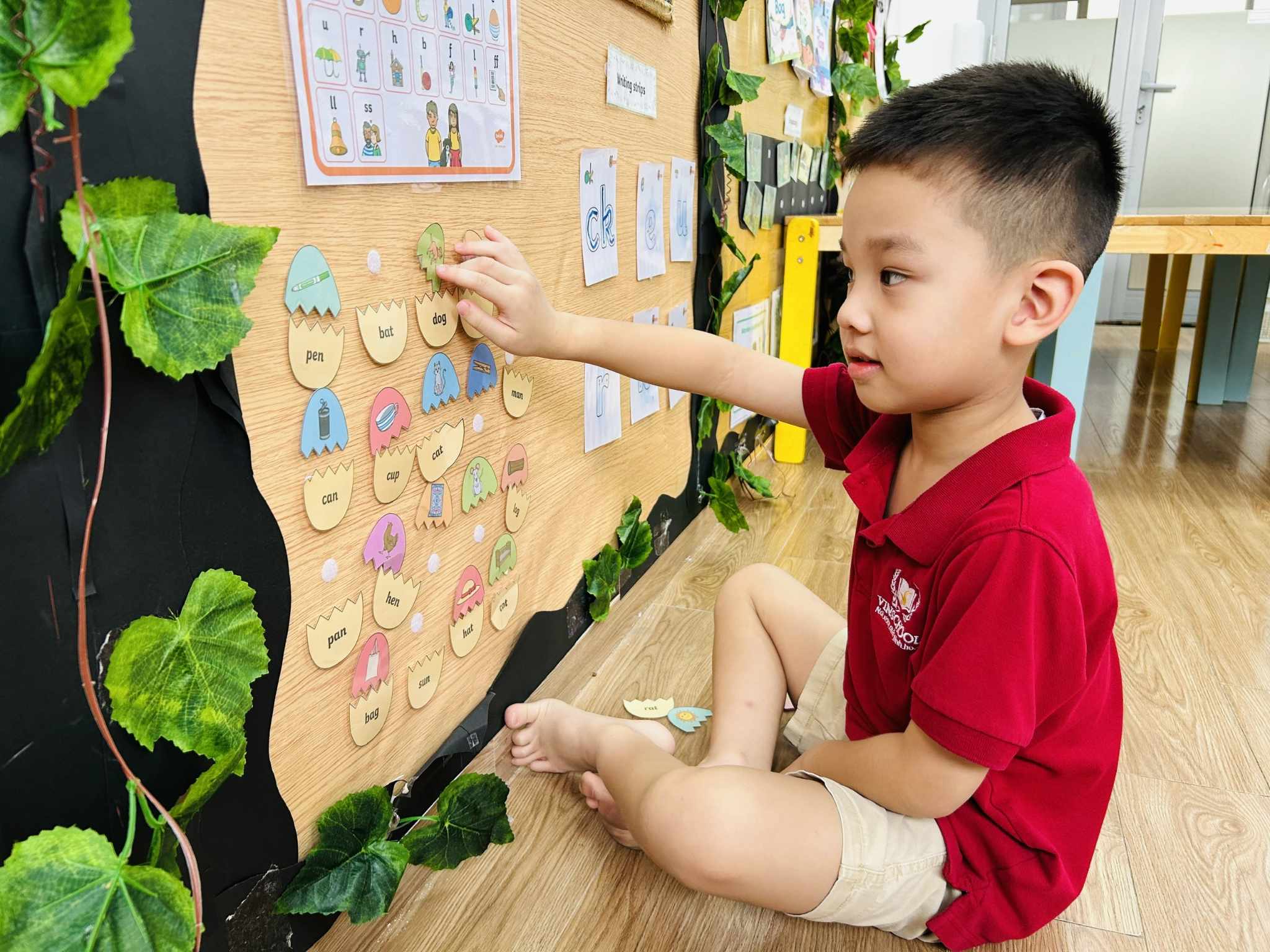
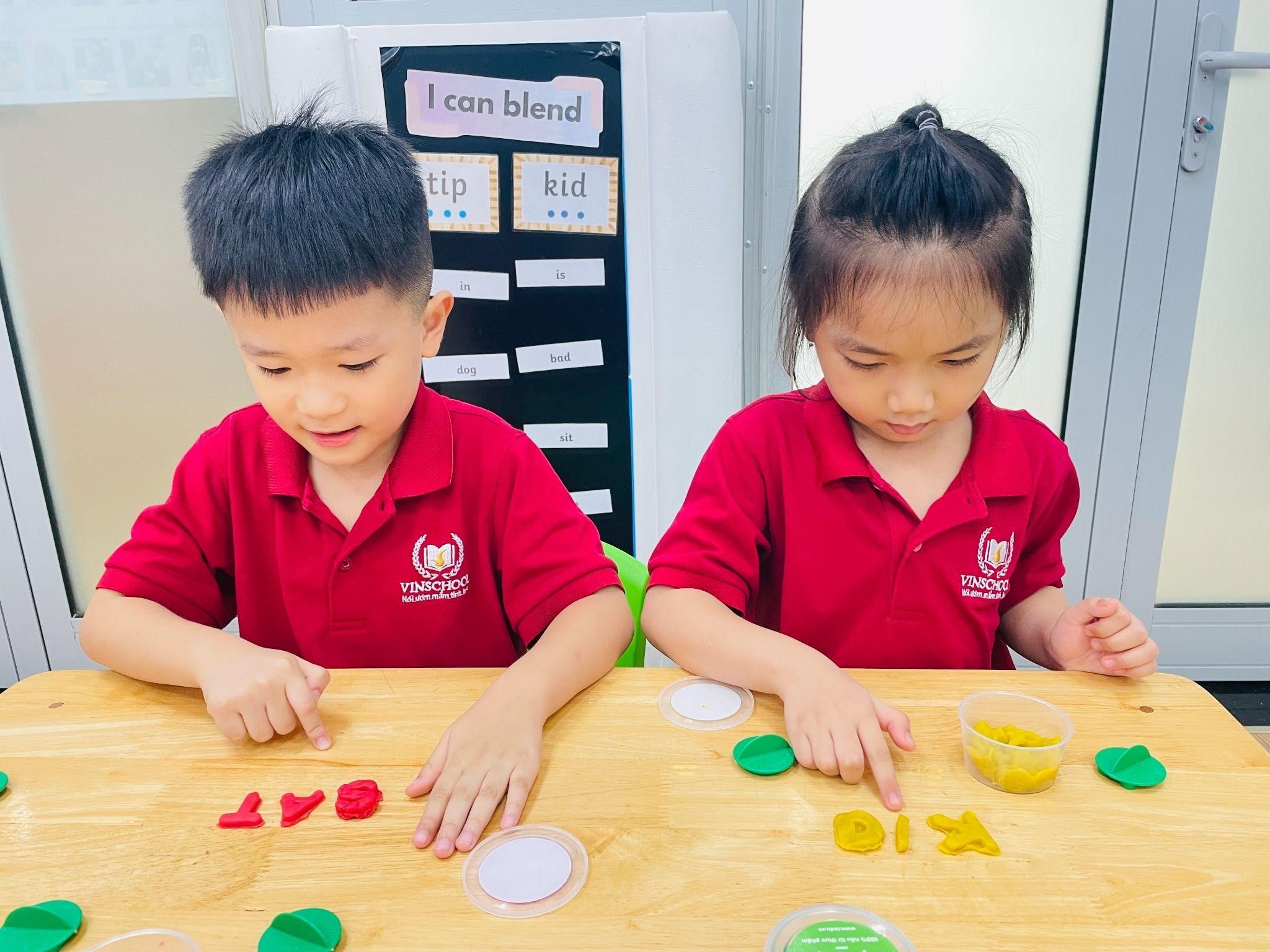
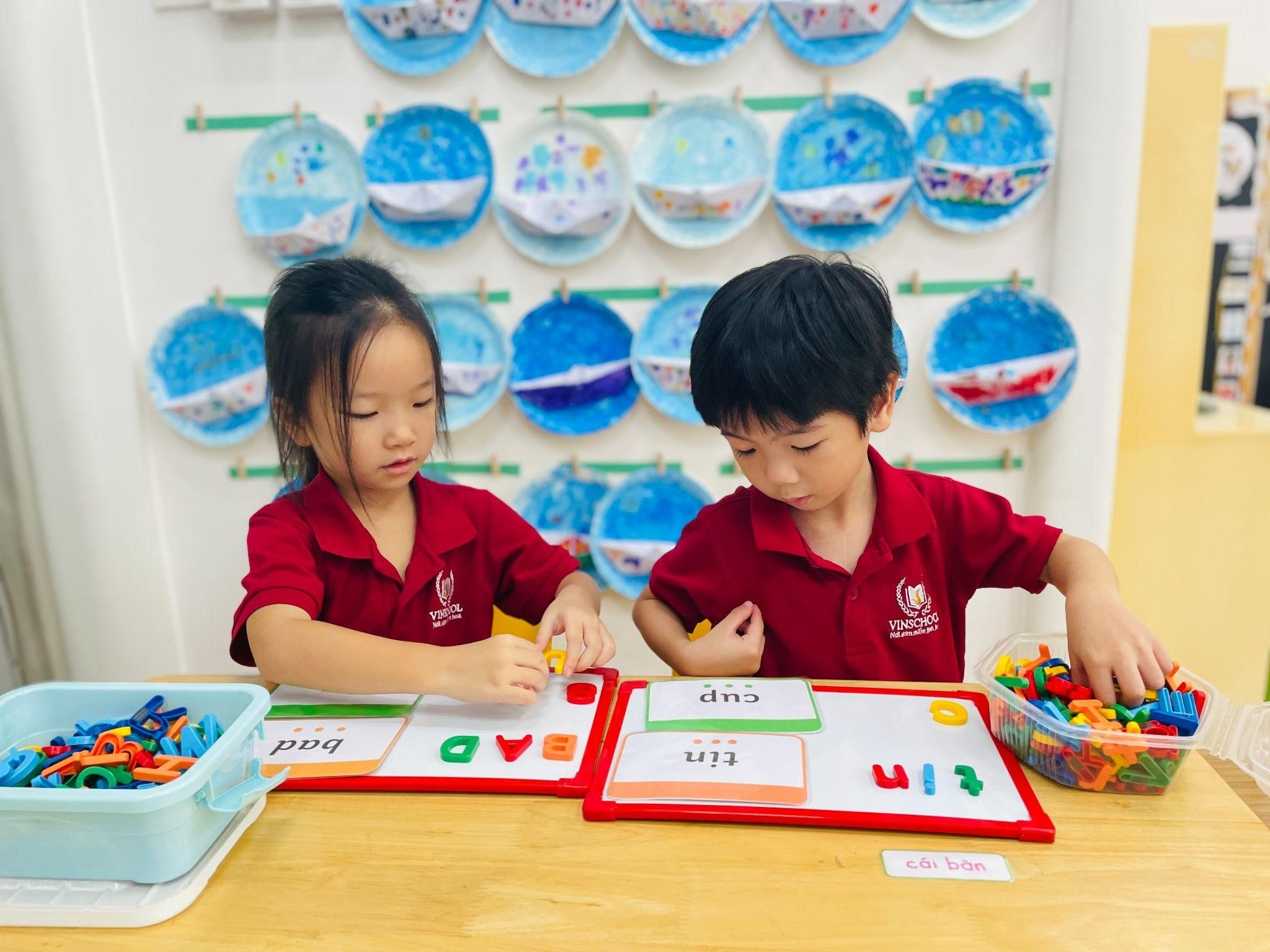
- Practice blending and forming words: Once children are familiar with basic phonemes, children begin to learn to blend and form simple words. For example, children can blend ‘s, a, t’ to read the word ‘sat’. Blending helps children initially become familiar with the “decoding” technique, providing great support for their reading.
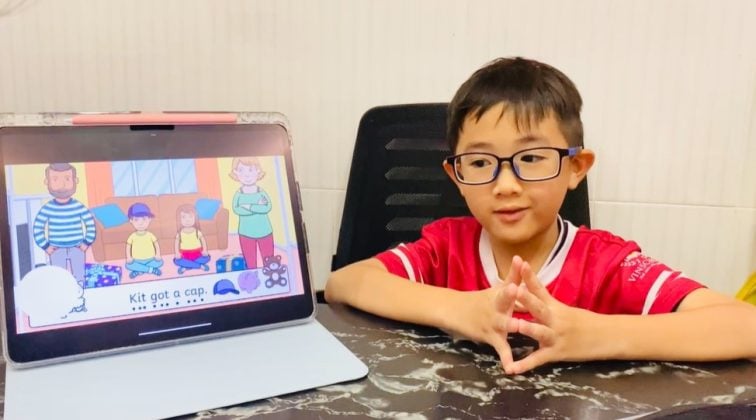
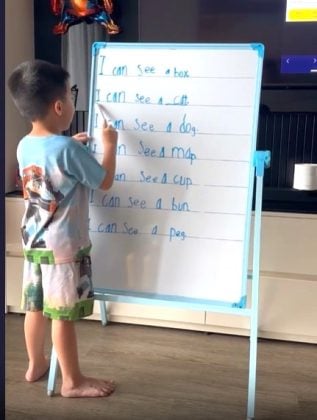
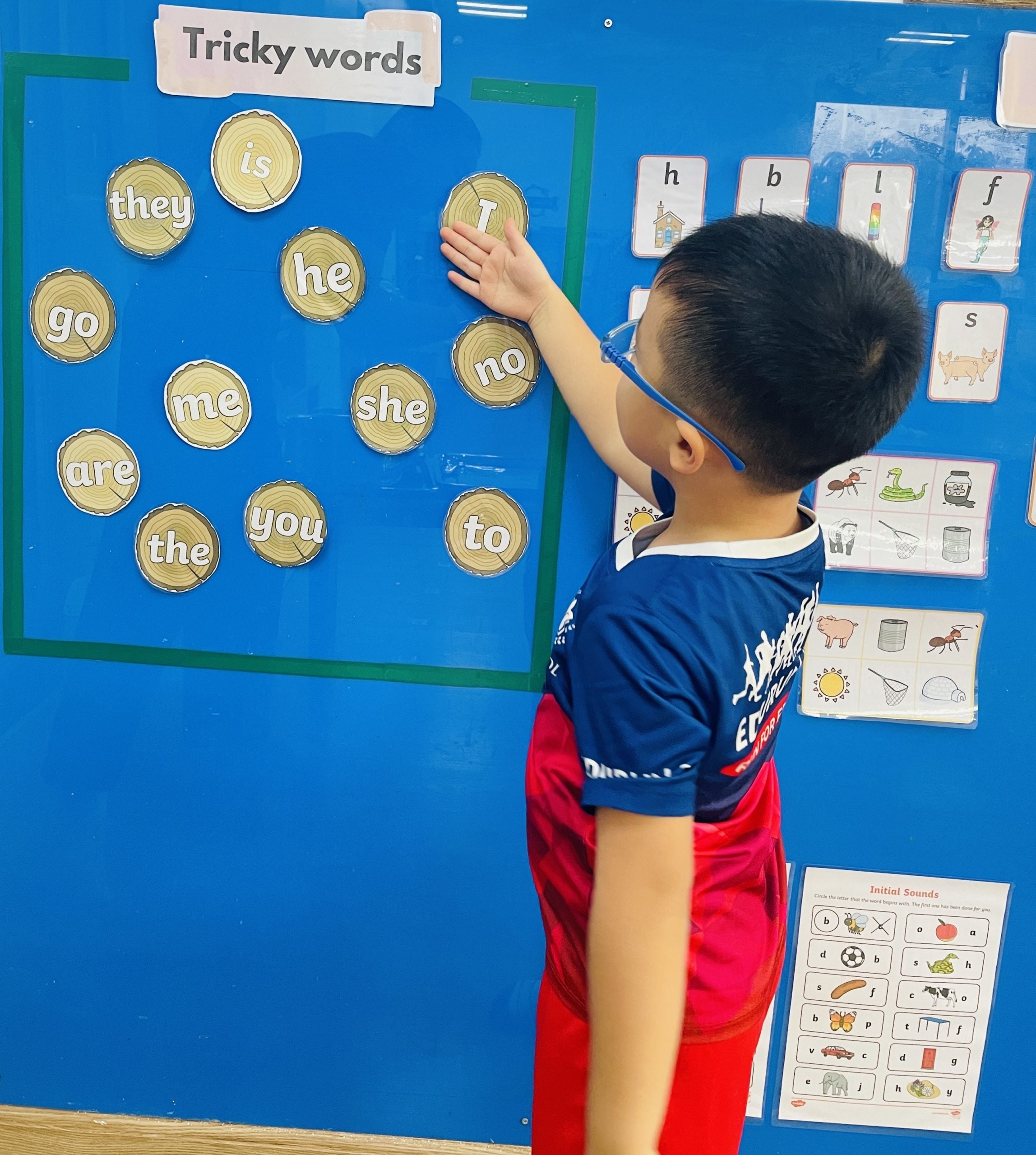
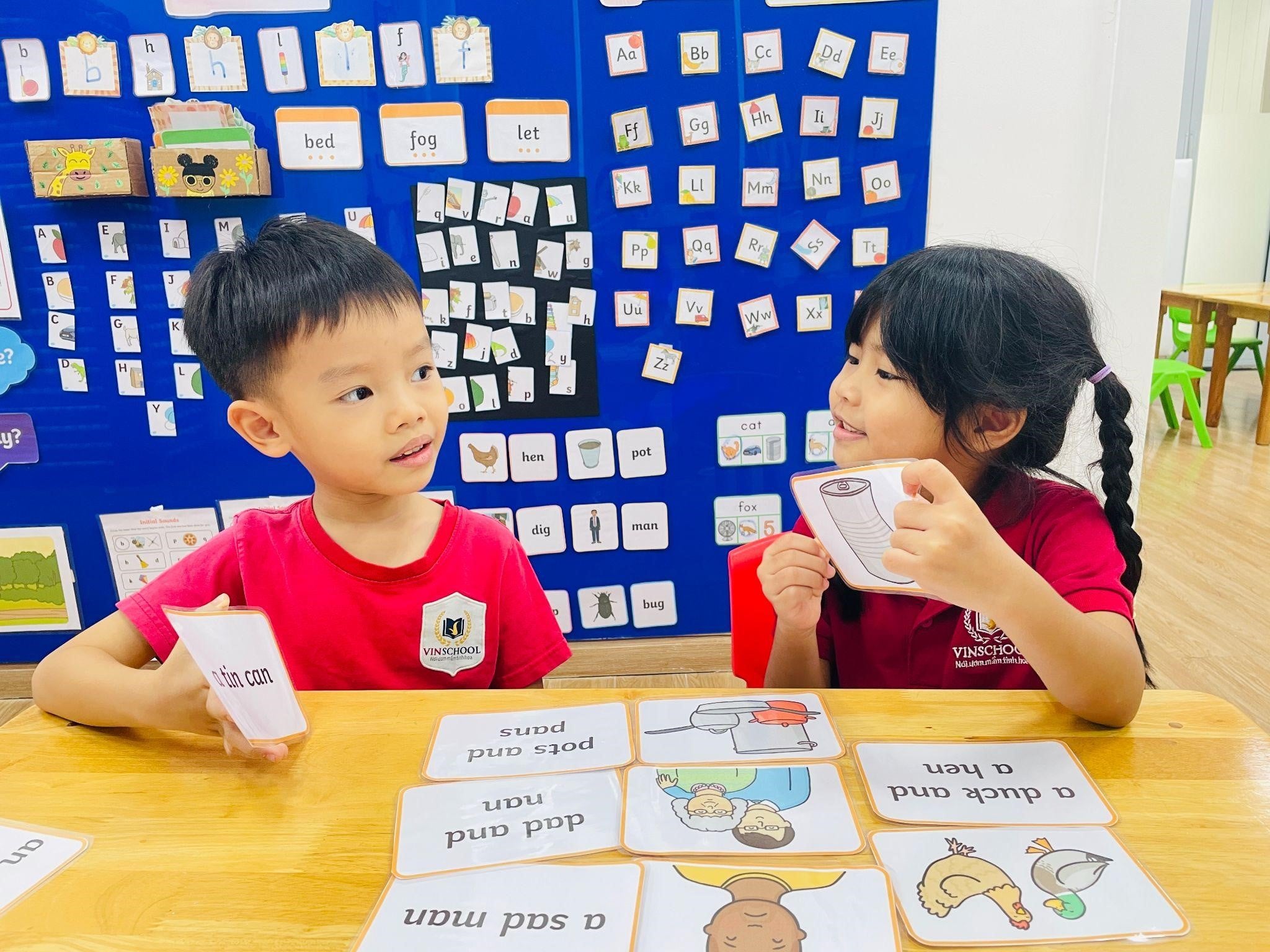
- Use phonemes to read simple words and short sentences: Children are encouraged to read words and short sentences in Phonics story books by applying blending and irregular words to strengthen their reading fluency as well as promote their confidence.
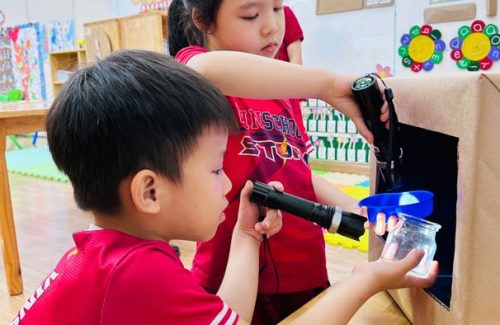
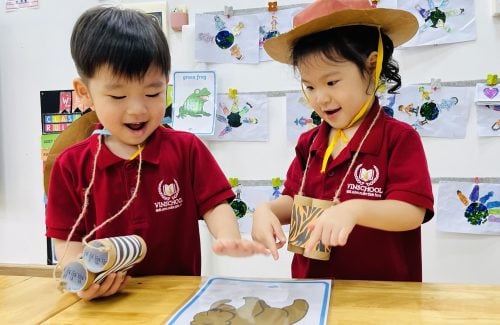
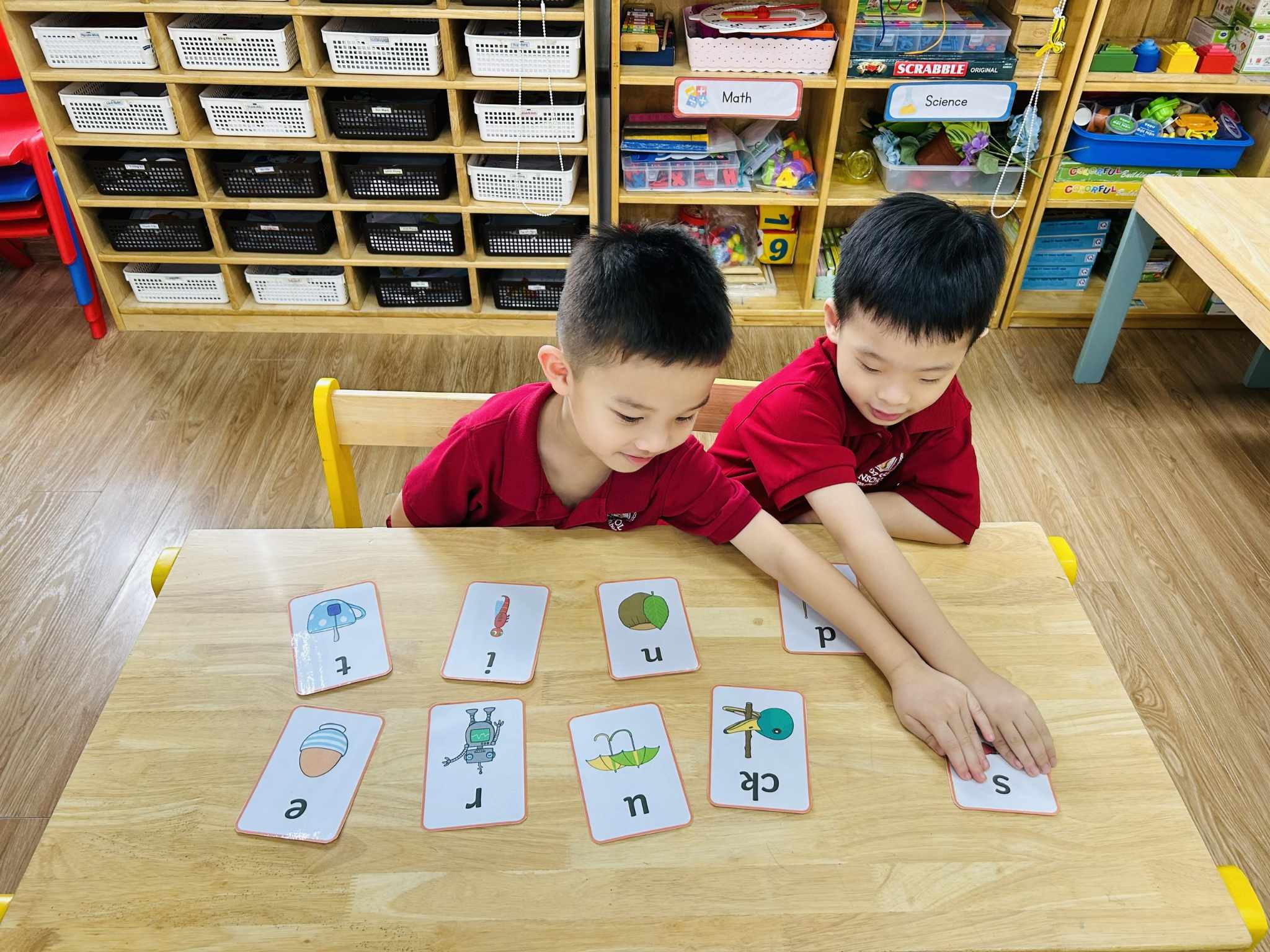
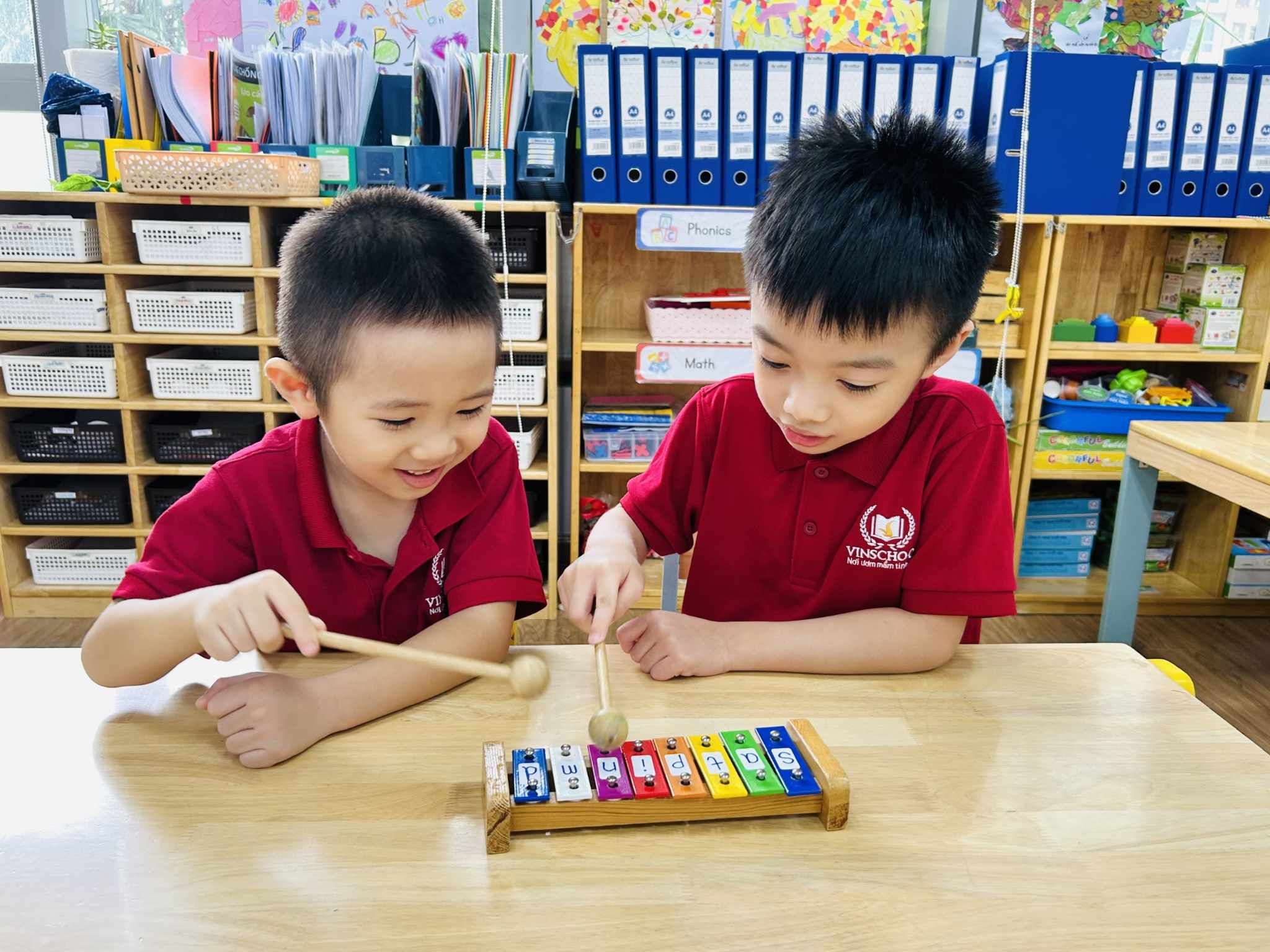
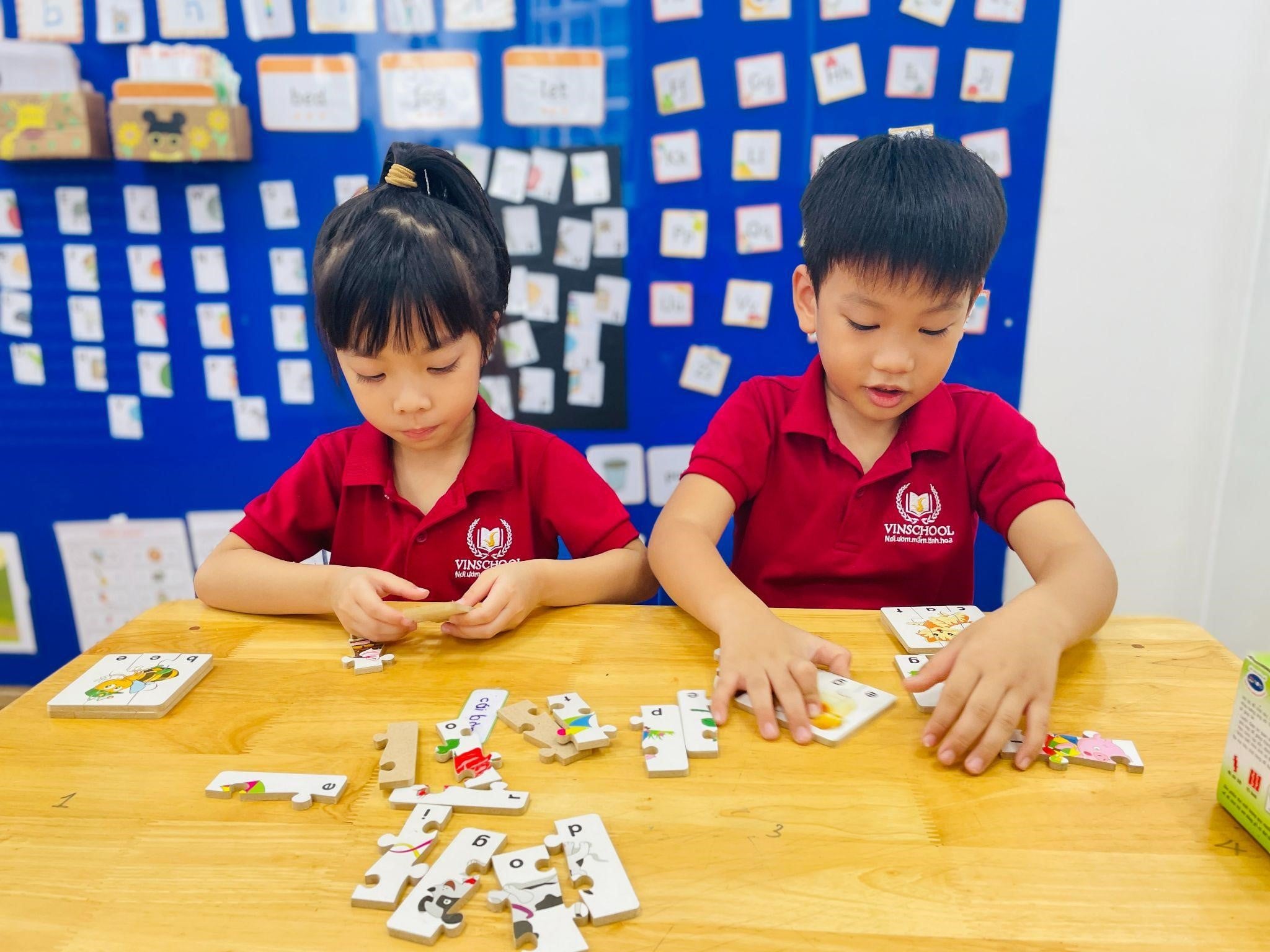
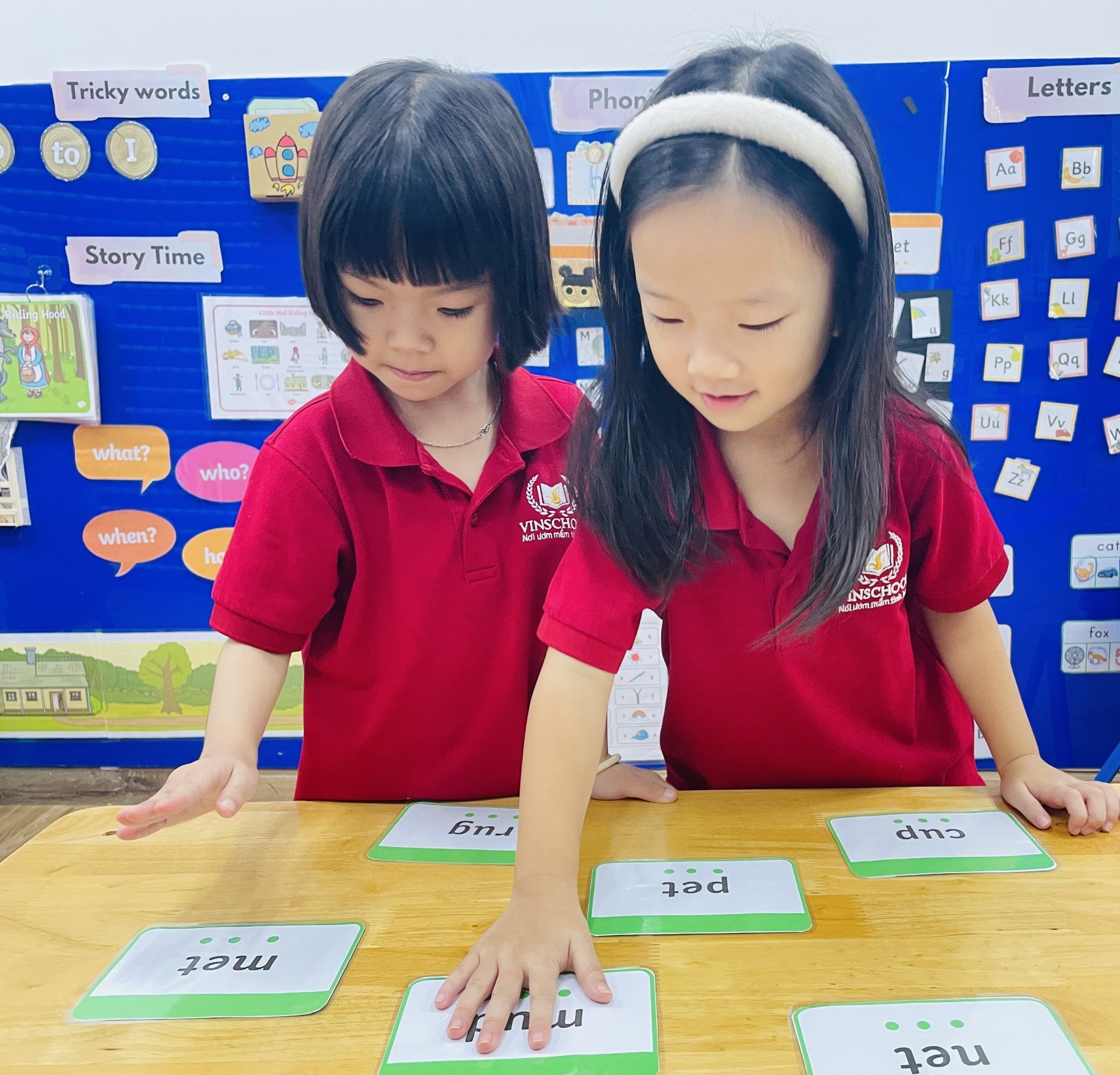
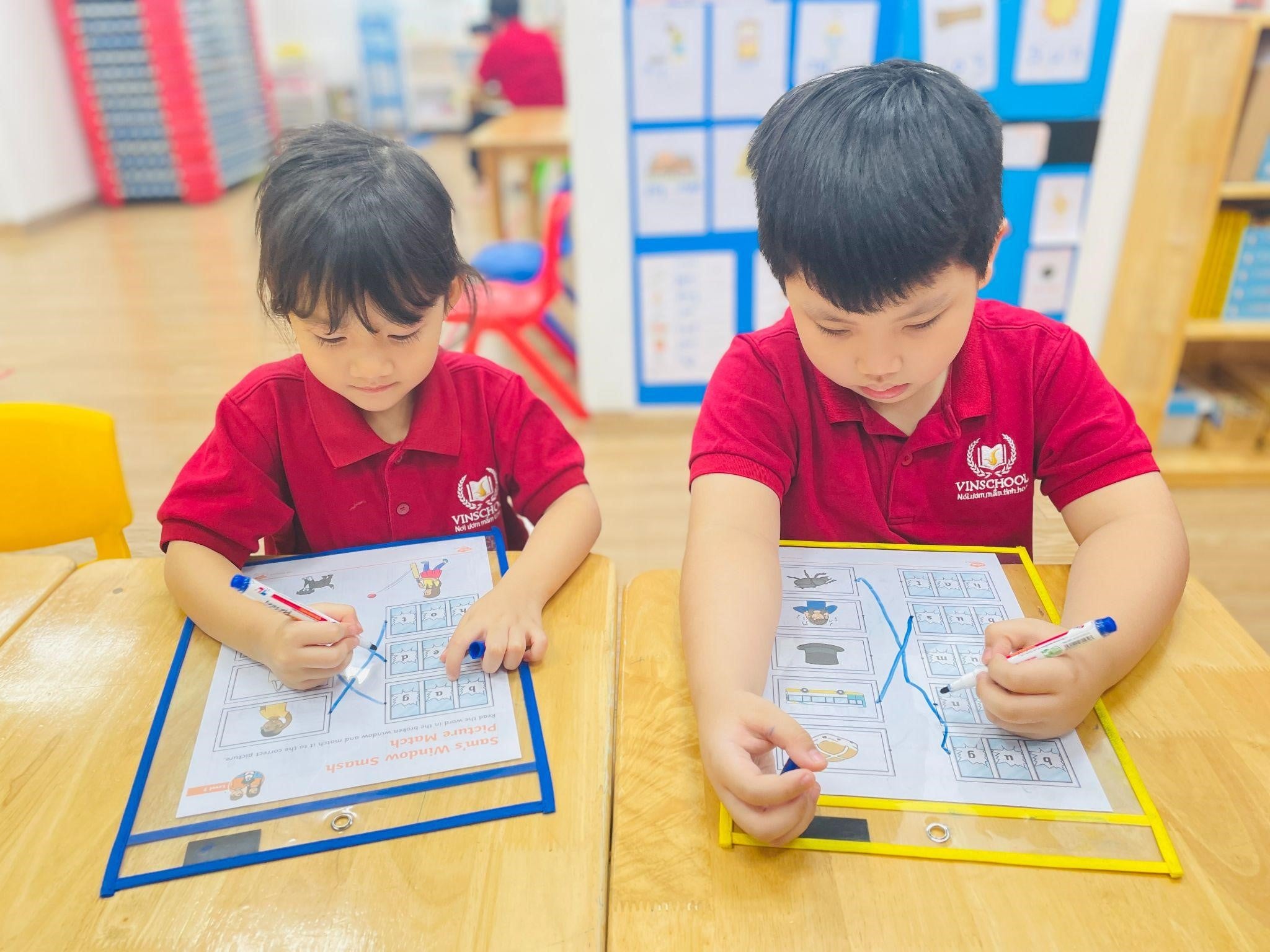
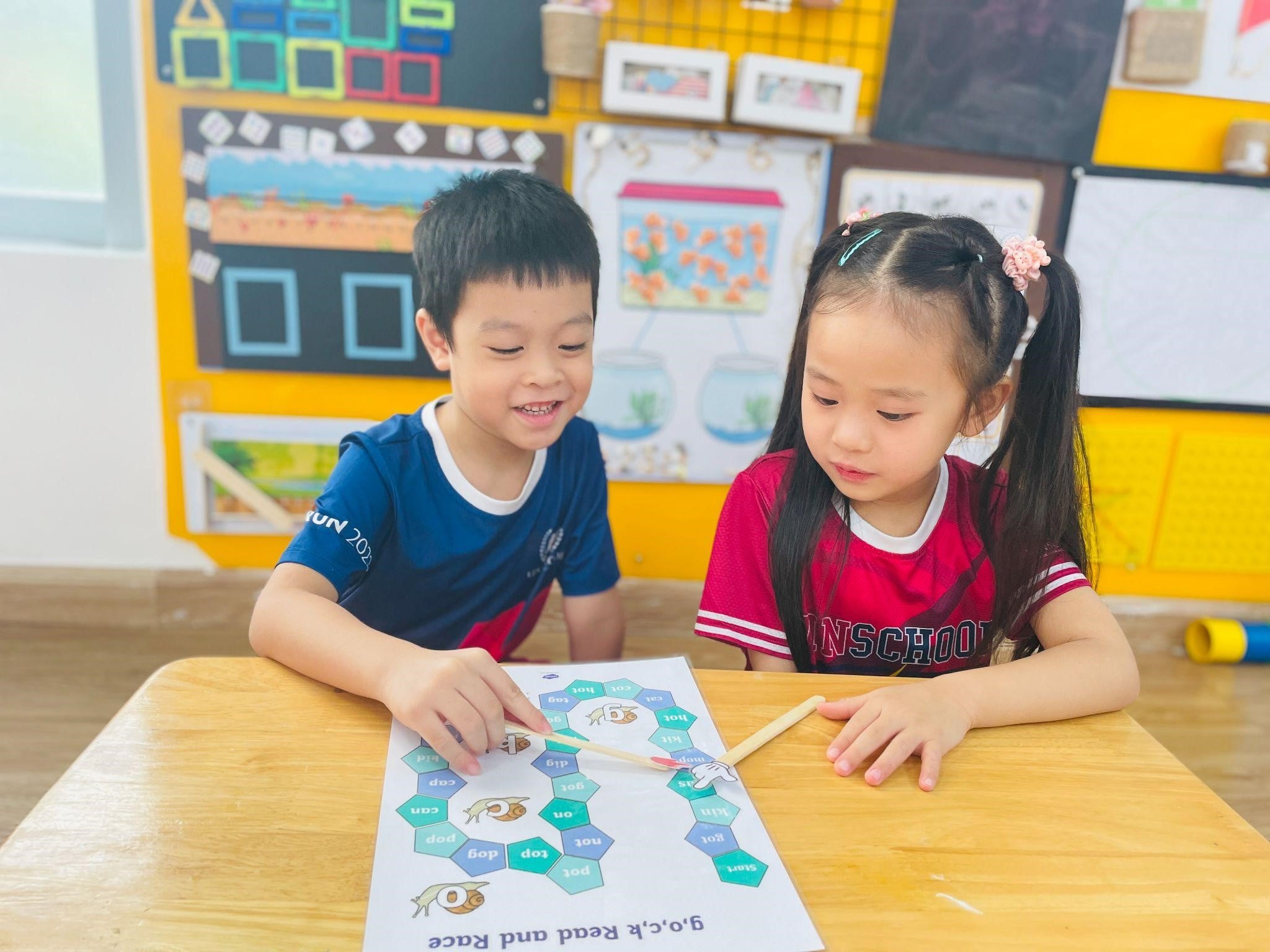
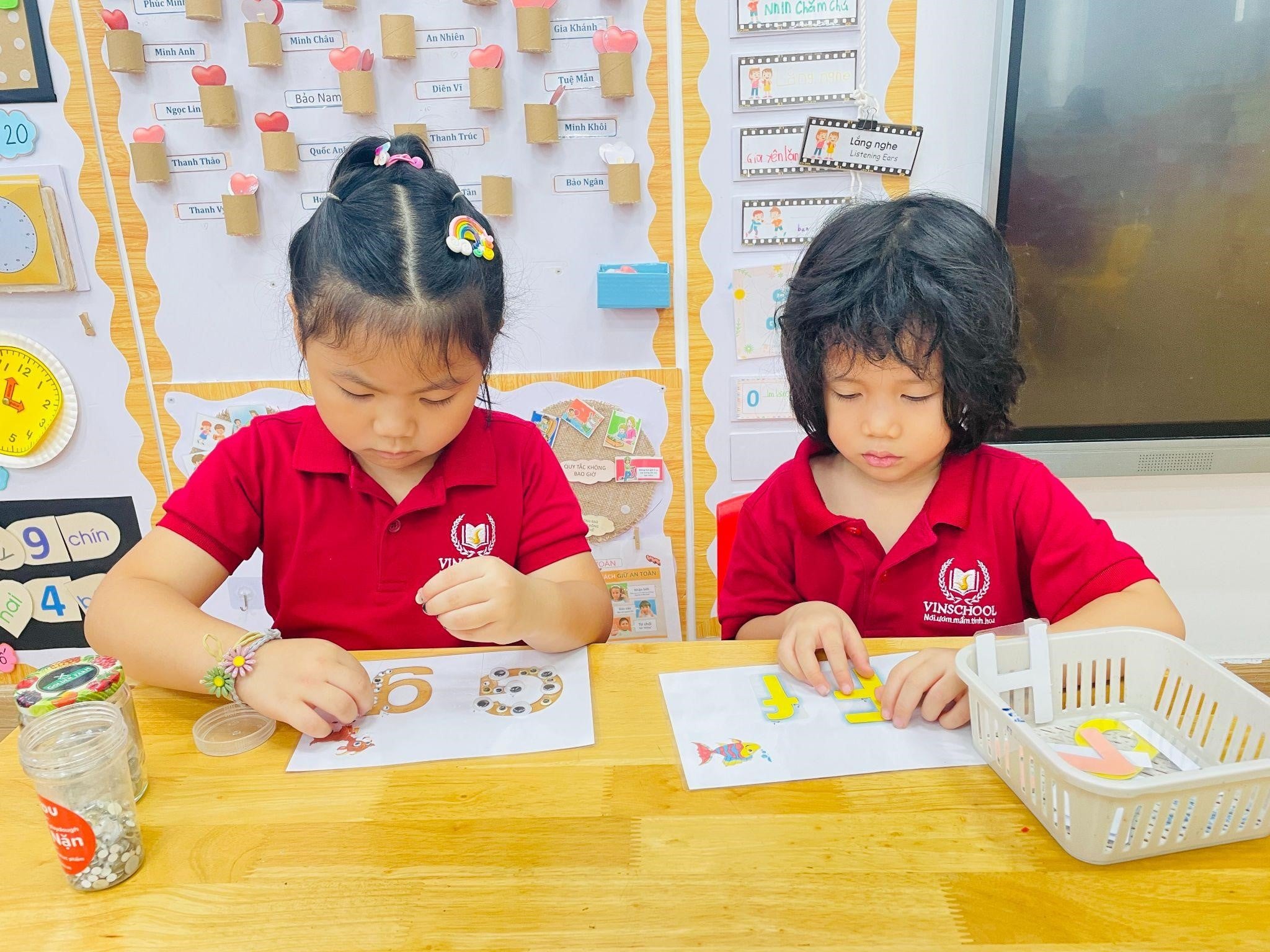
- Practice Phonics through various fun activities and games: Activities such as word building games, songs, and hands-on activities at learning stations facilitate children to reinforce the learnt phonemes in a fun and natural way. Flexible and regular access every day to different learning stations helps children memorize and apply the phonemes in different practice contexts actively and confidently.
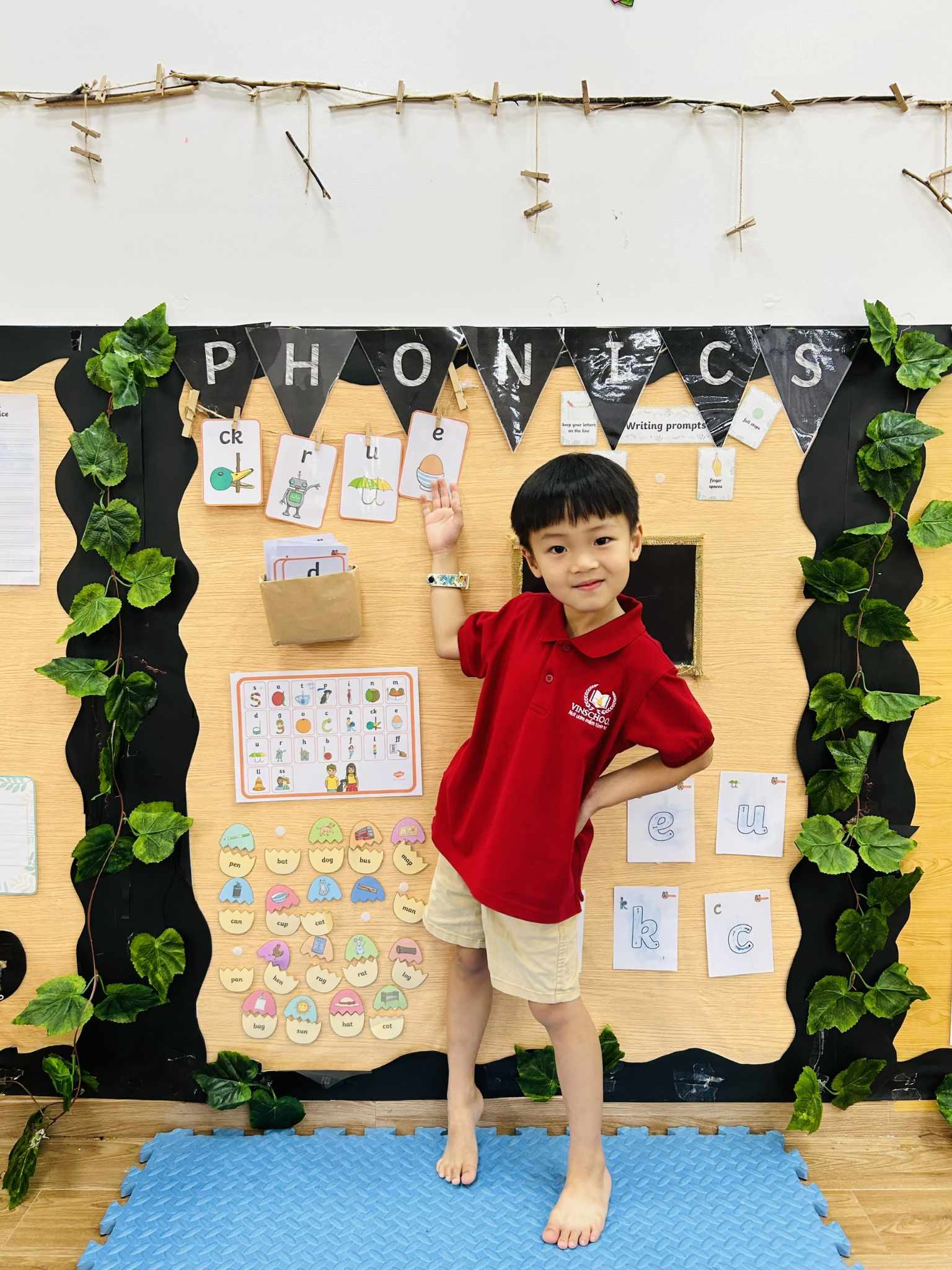
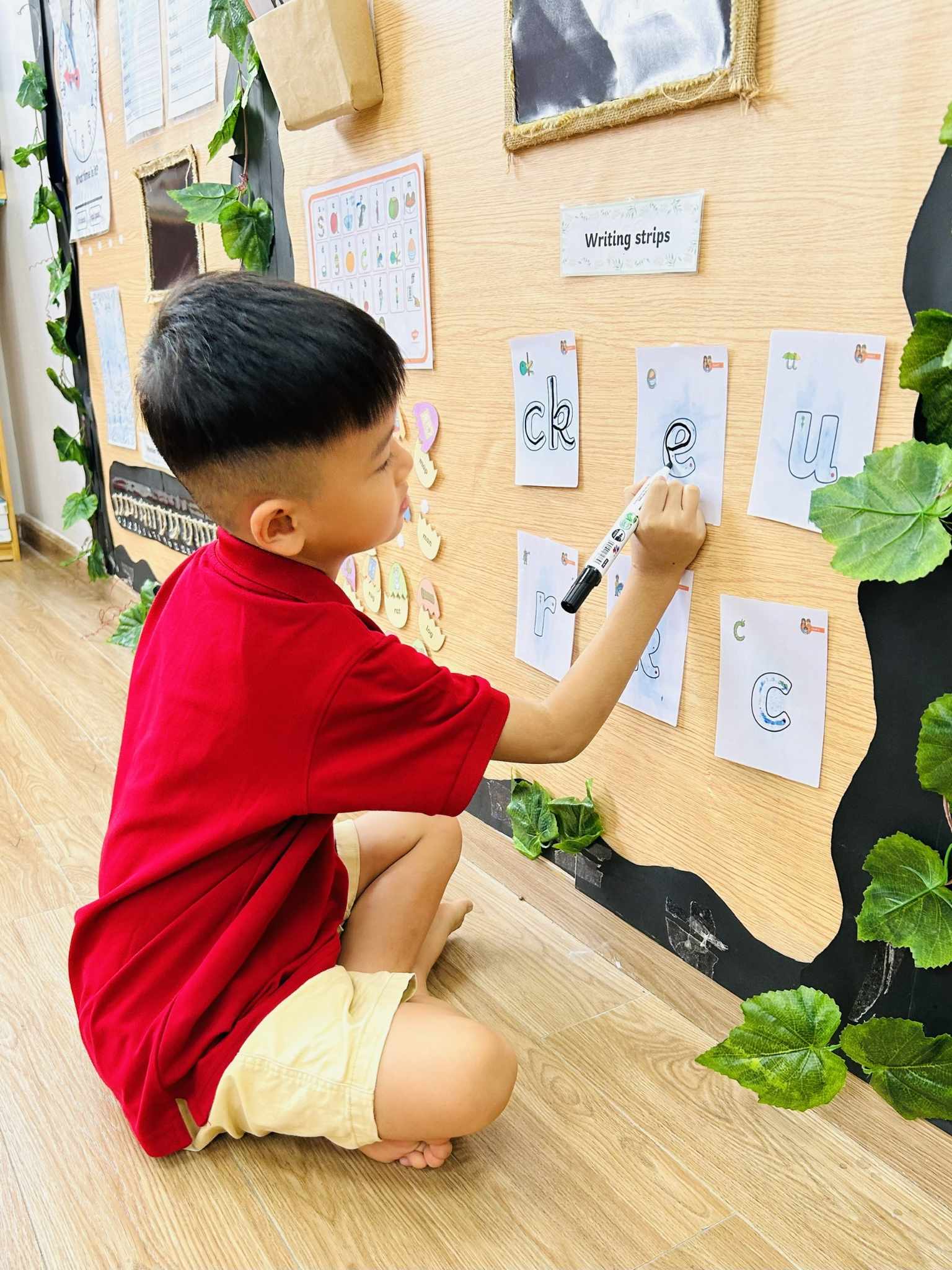
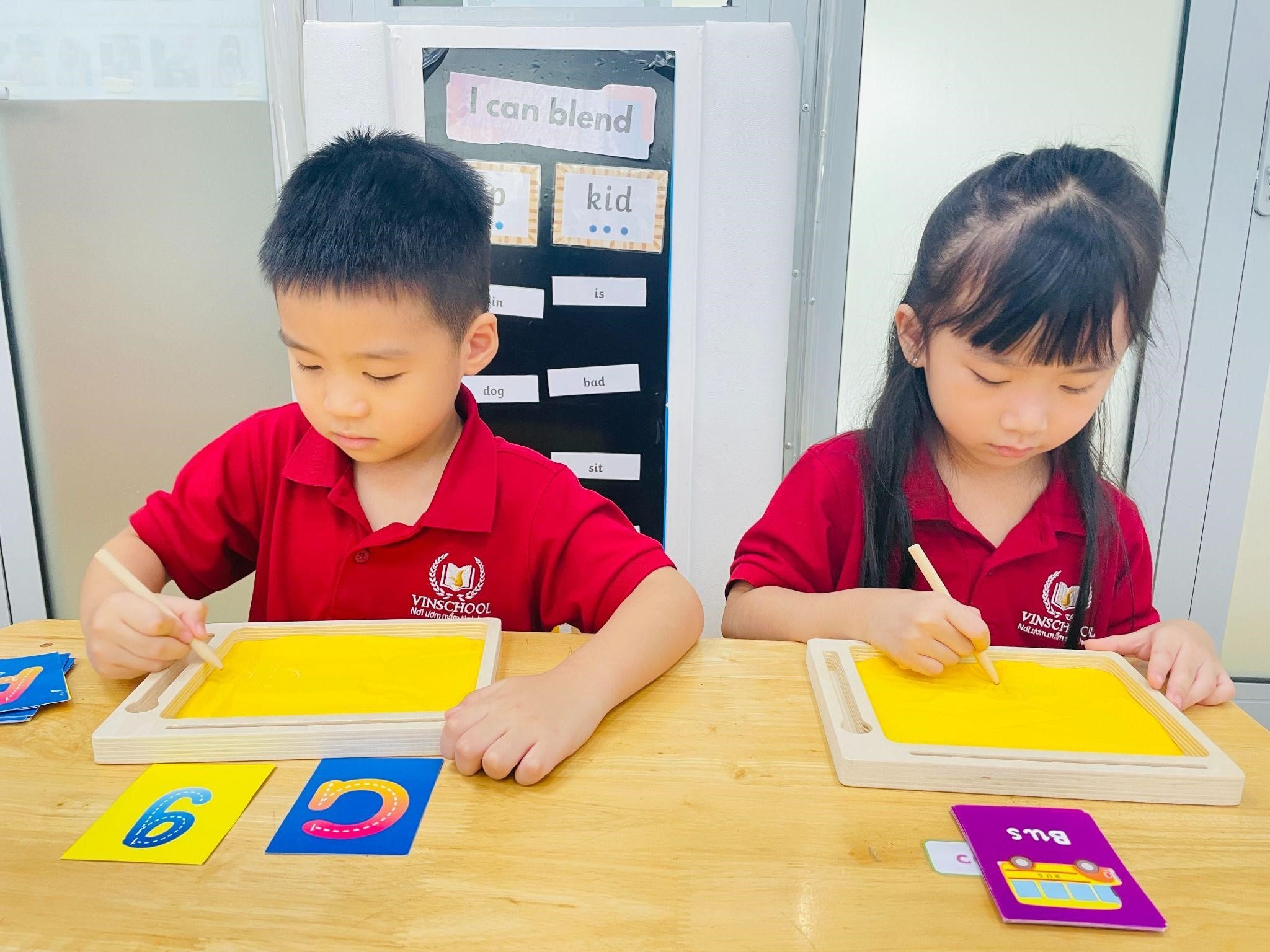
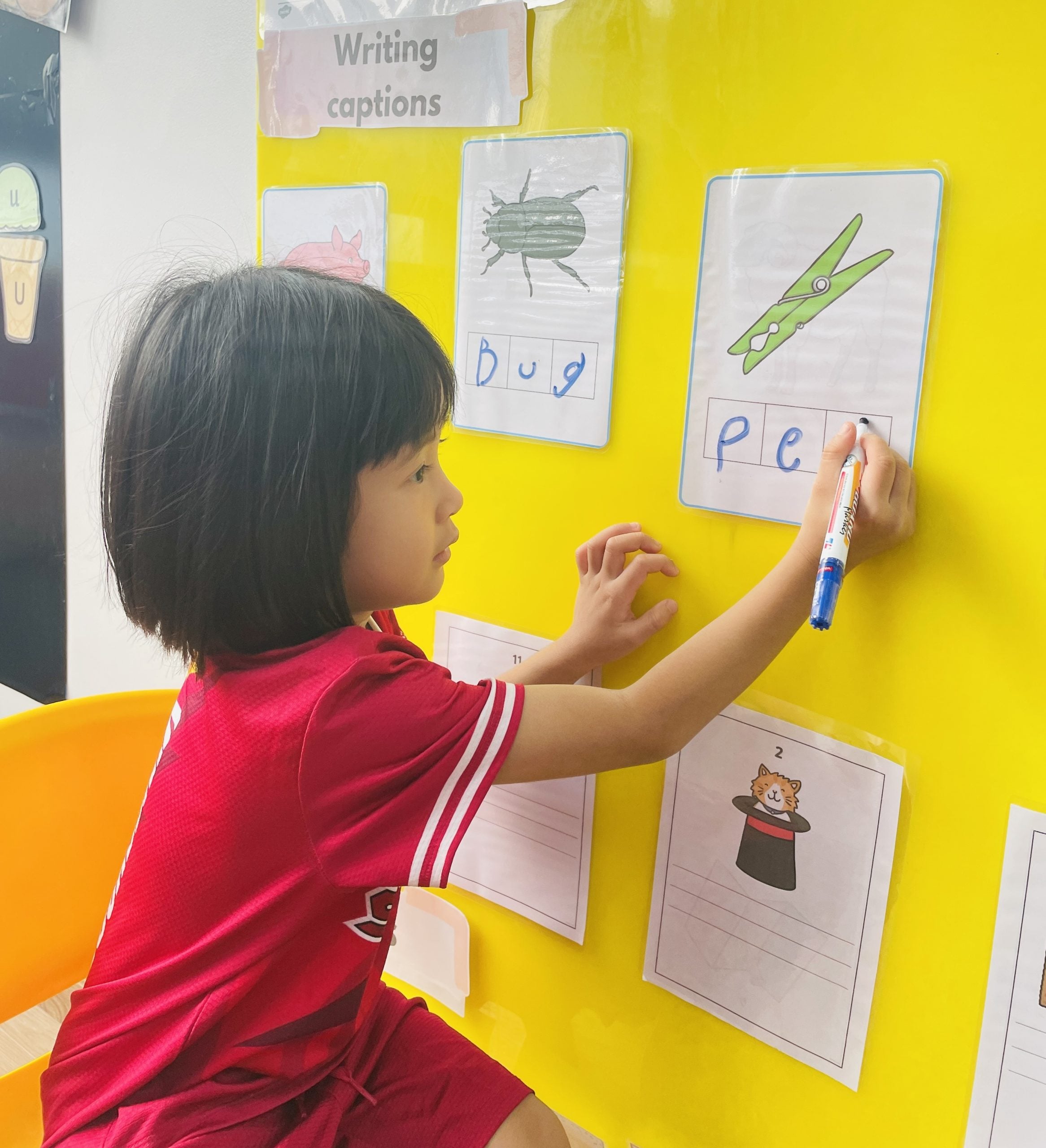
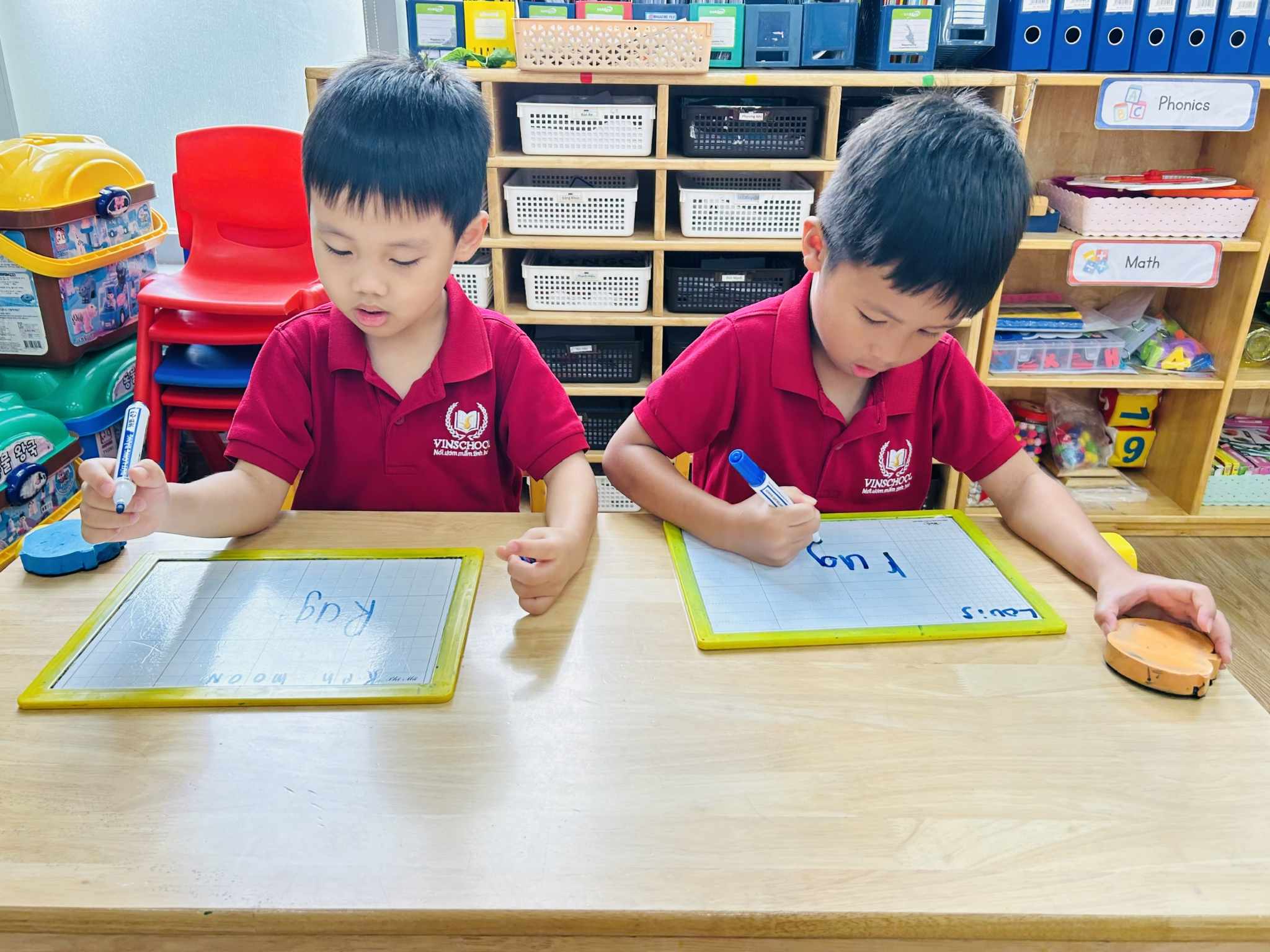
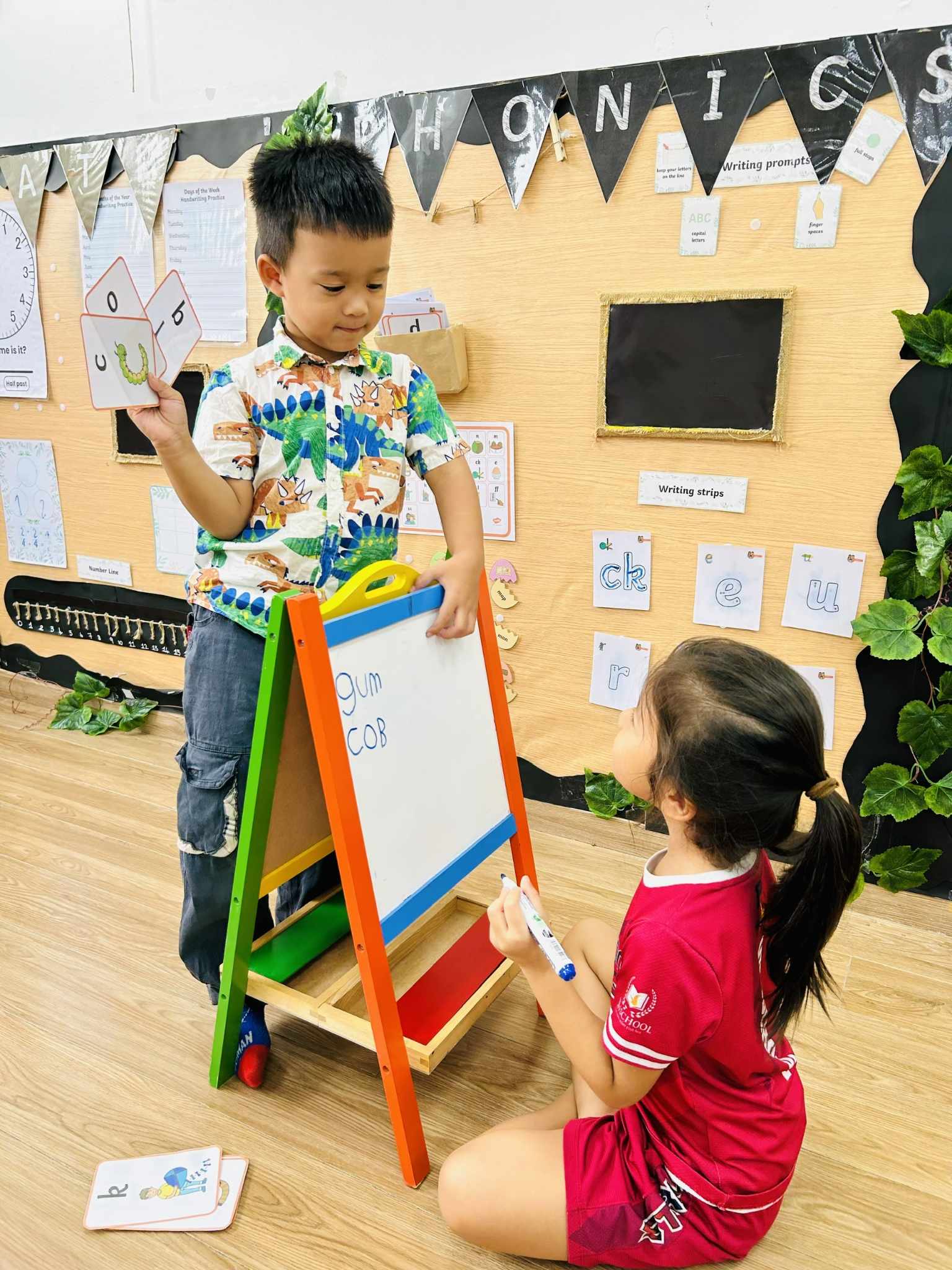
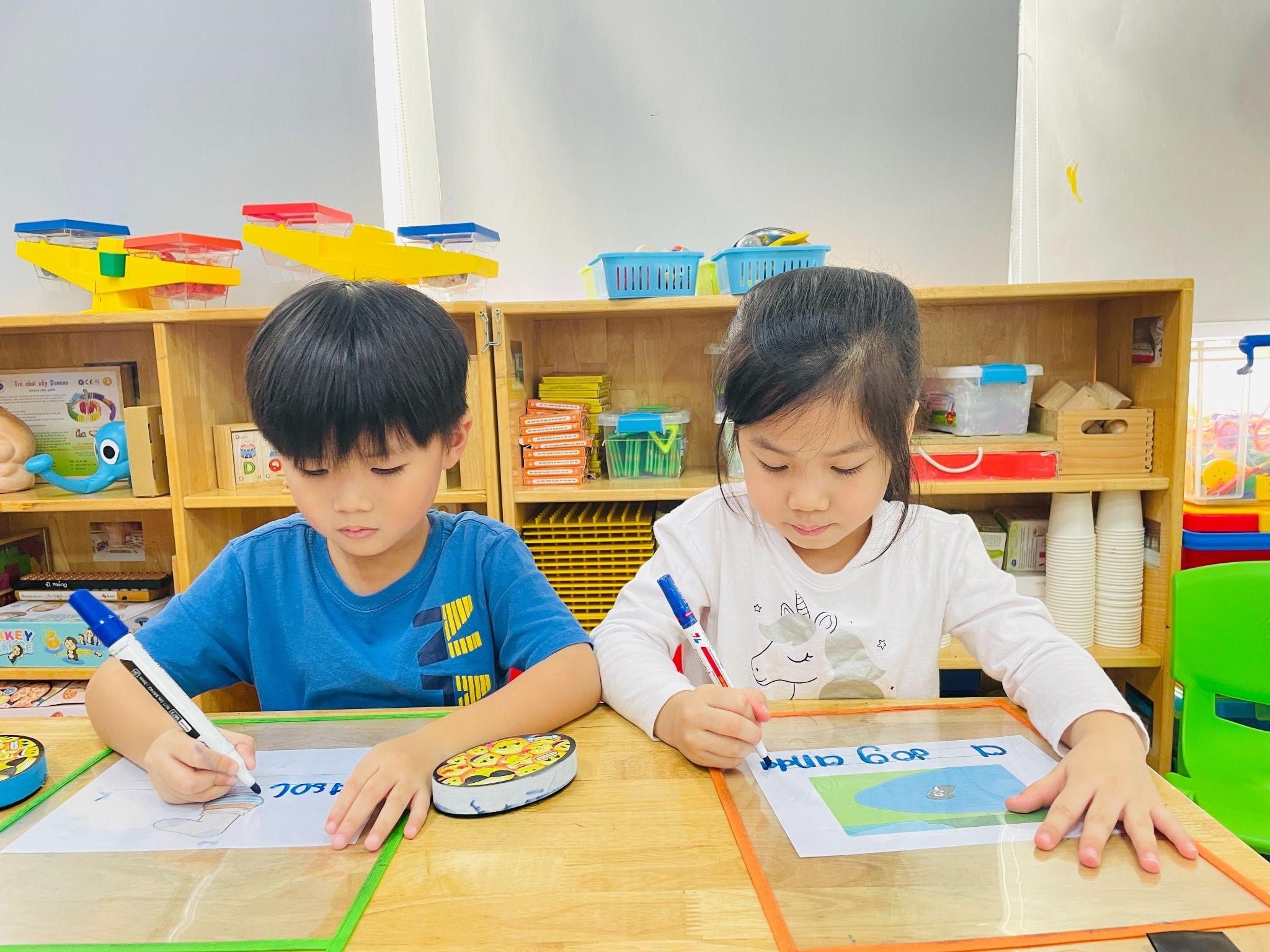
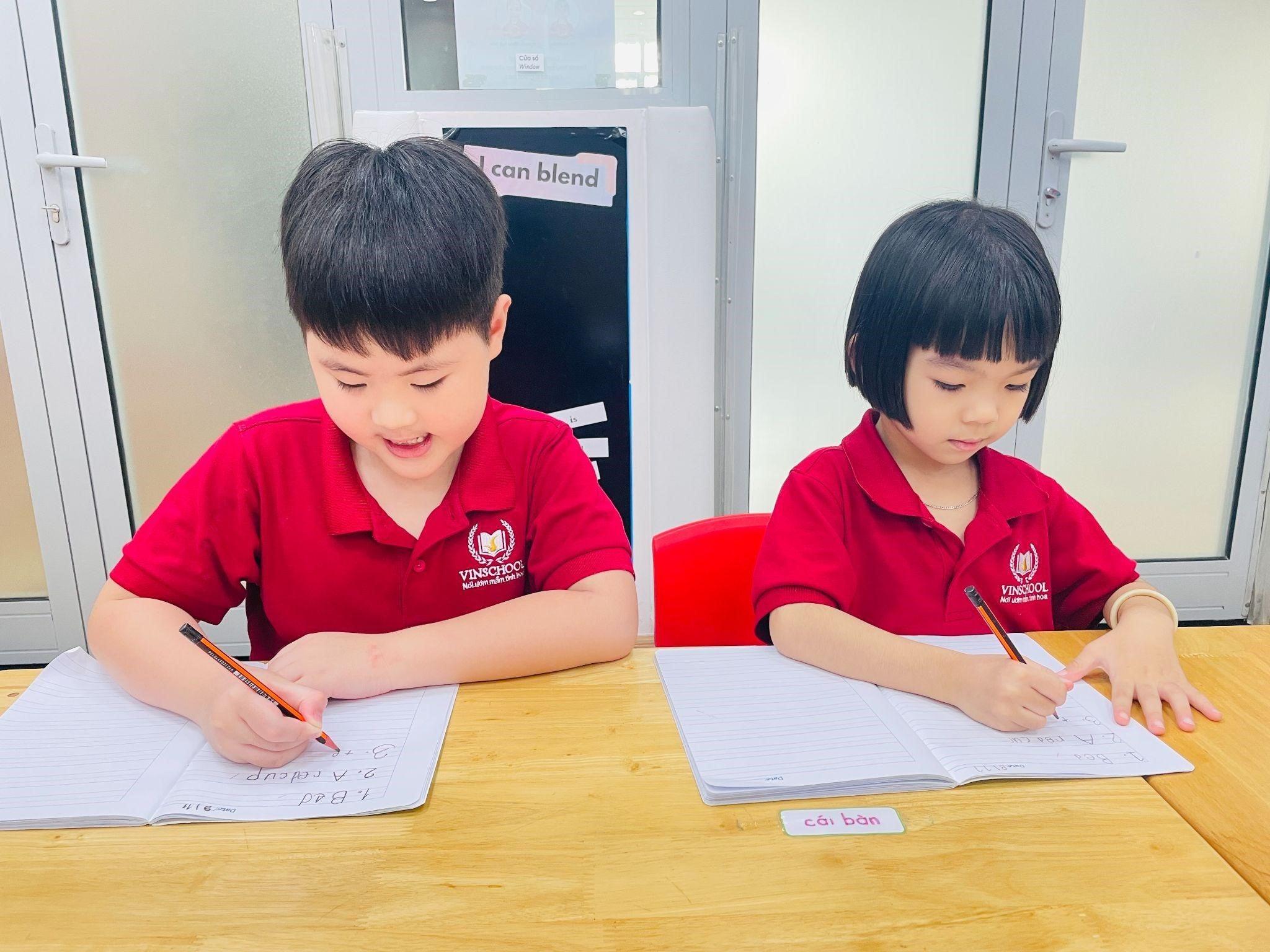
In addition, students practice their Phonics skills at home through the “My Phonics Log” project to effectively consolidate and apply the knowledge they have learned in class. This helps students expand, connect and maximize opportunities to practice Phonics, building a foundation to develop their literacy at the Kindergarten level.