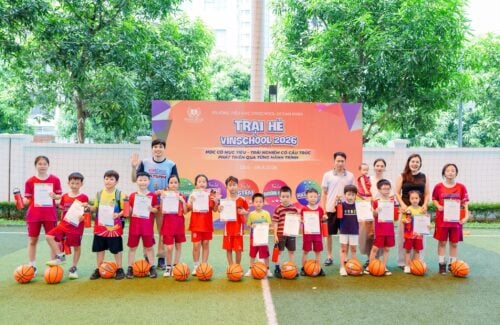
Physical education at Vinschool: Moving beyond the “strong wins – weak loses” mindset to enable every student to shine through their unique strengths
For many parents, Physical Education (PE) often recalls memories of standardized performance tests, where the distinction between “pass” and “fail” created an invisible line separating students. A slightly slower endurance run, a long jump that did not meet the required standard, or a physical fitness test that exceeded a child’s capacity could result in the student being classified as “not athletically inclined.” For years, this approach functioned as a filter that unintentionally caused many children - particularly those who were not physically strong to feel discouraged and withdraw from the joy of physical activity.
At Vinschool, however, PE has undergone a significant shift: transitioning from the traditional Deficit Model, which emphasizes what a child lacks, to a Strength-Based Approach, which views each student as a unique ecosystem of physical abilities, emotions, and movement-related cognition.
FROM “FIXING WEAKNESSES” TO “UNLOCKING STRENGTHS”
Traditional teaching under the Deficit Model often begins with the question, “What is the student lacking?”— weak stamina, limited agility, clumsy coordination,… followed by “How do we correct it?” This process can impose a psychological burden, reinforcing children’s perception of what they “cannot do.” Research has shown that students tend to avoid activities that make them feel inadequate, choosing to withdraw to protect their self-esteem. Over time, they distance themselves from physical activity, accept labels such as “lazy,” and fall into a cycle of disengagement from sports.
The Strength-Based Approach reverses this perspective by asking, “What strengths does the student already possess, and how can we nurture a love for movement based on these strengths?” Teachers shift their focus from weaknesses to the behaviors and abilities that help students feel confident, motivated, and capable of progress. This approach recognizes each child not as a system of deficits to be corrected, but as an ecosystem of strengths waiting to be activated.
CLASSROOM APPLICATION – EVERY STUDENT HAS THE OPPORTUNITY TO SHINE
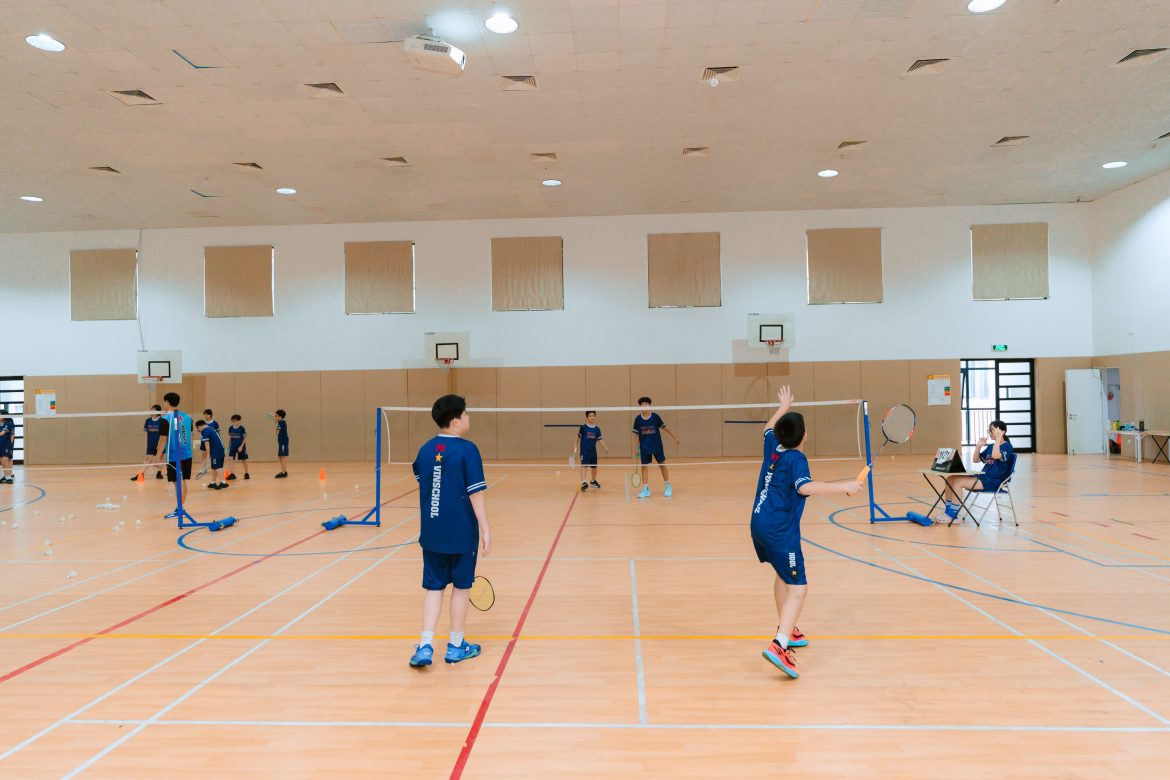
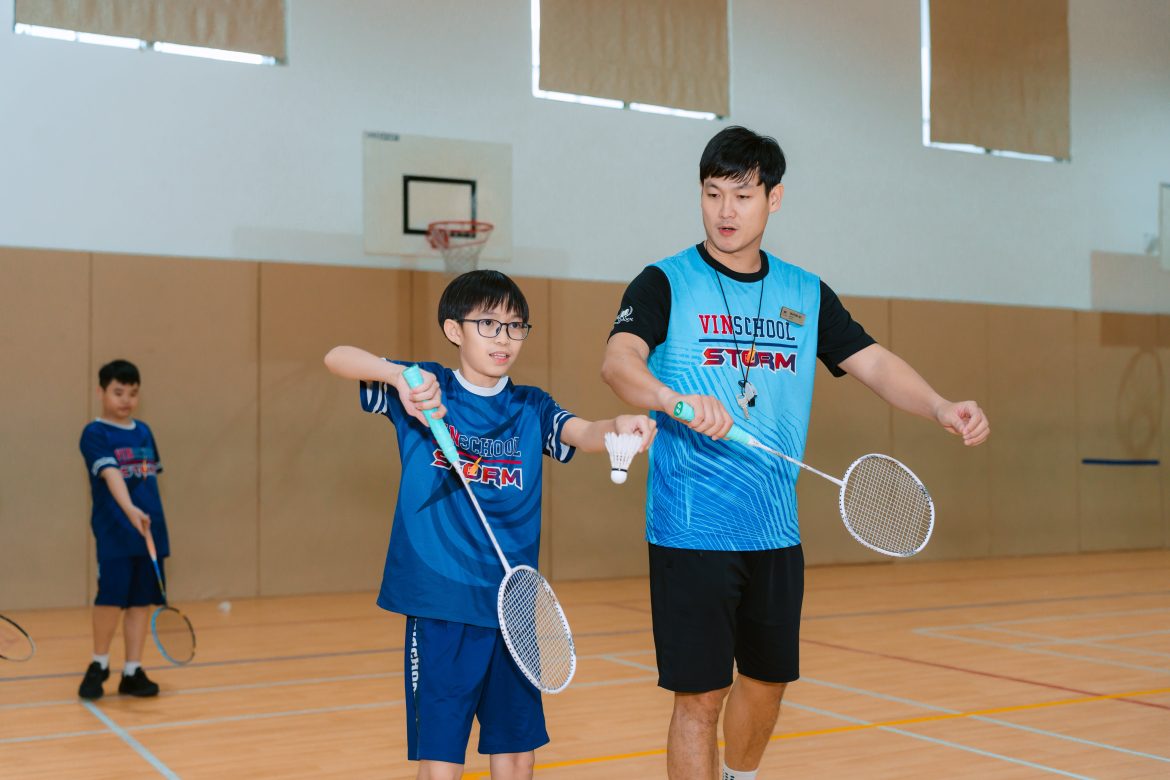
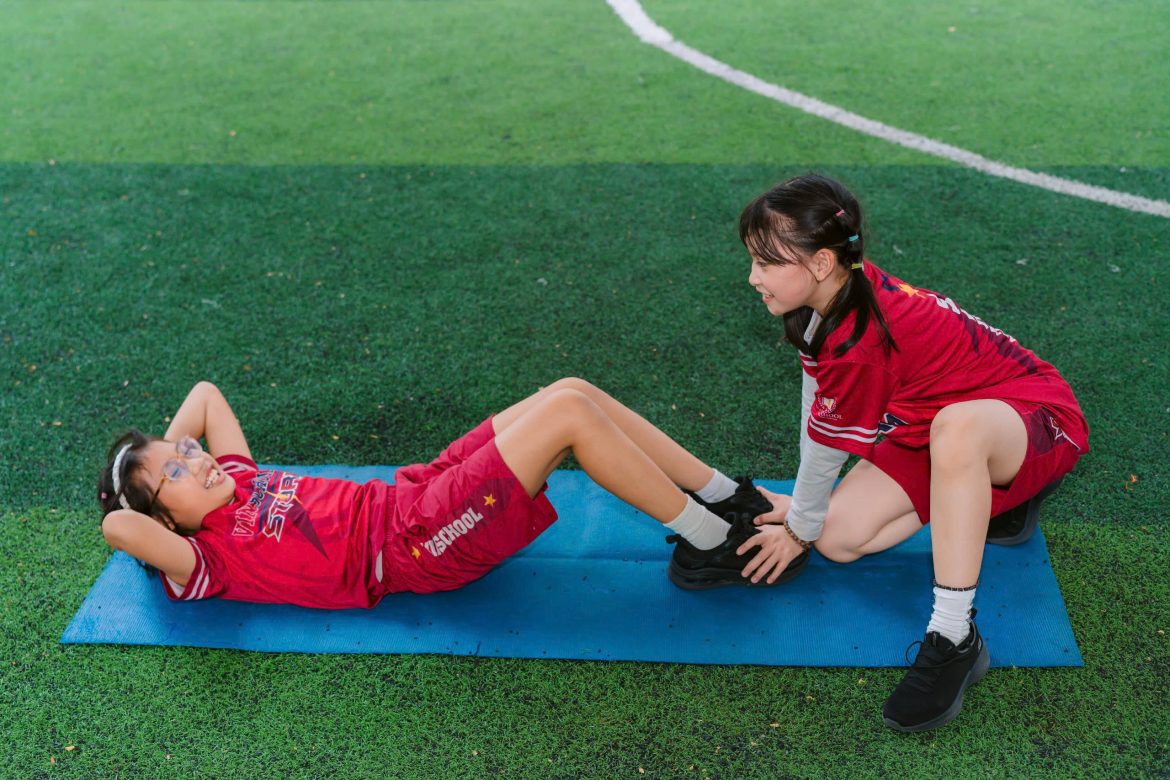
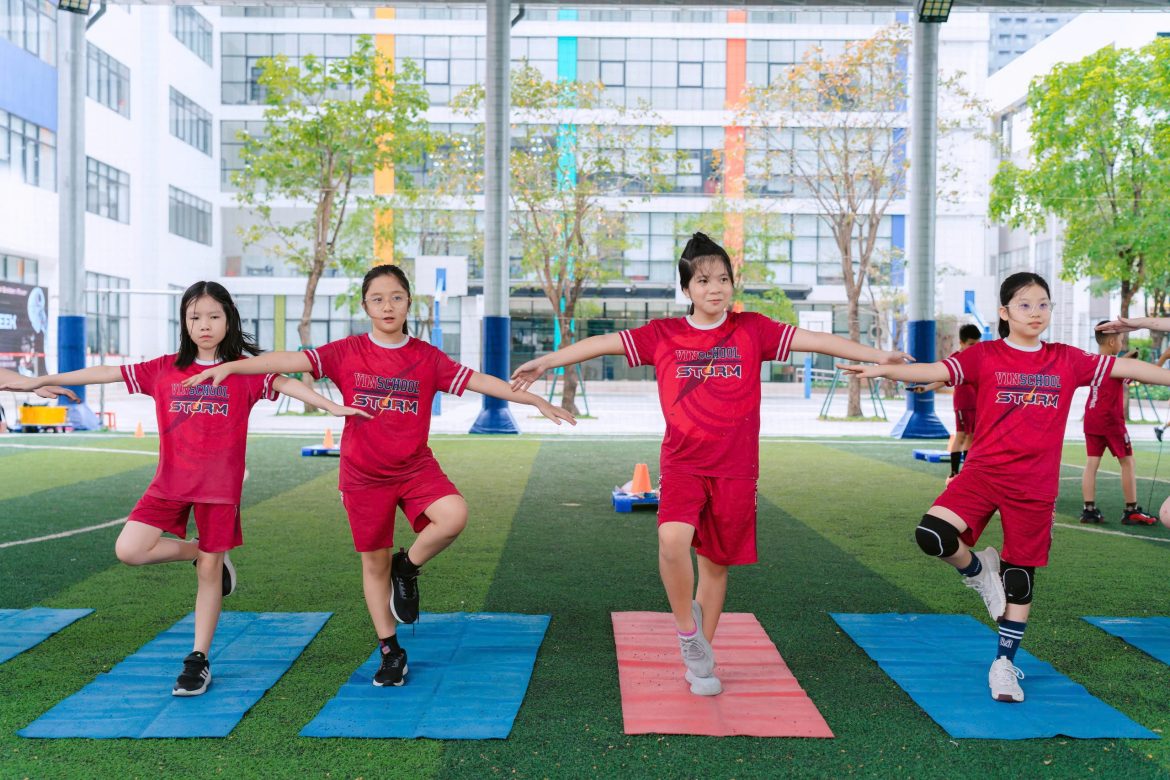
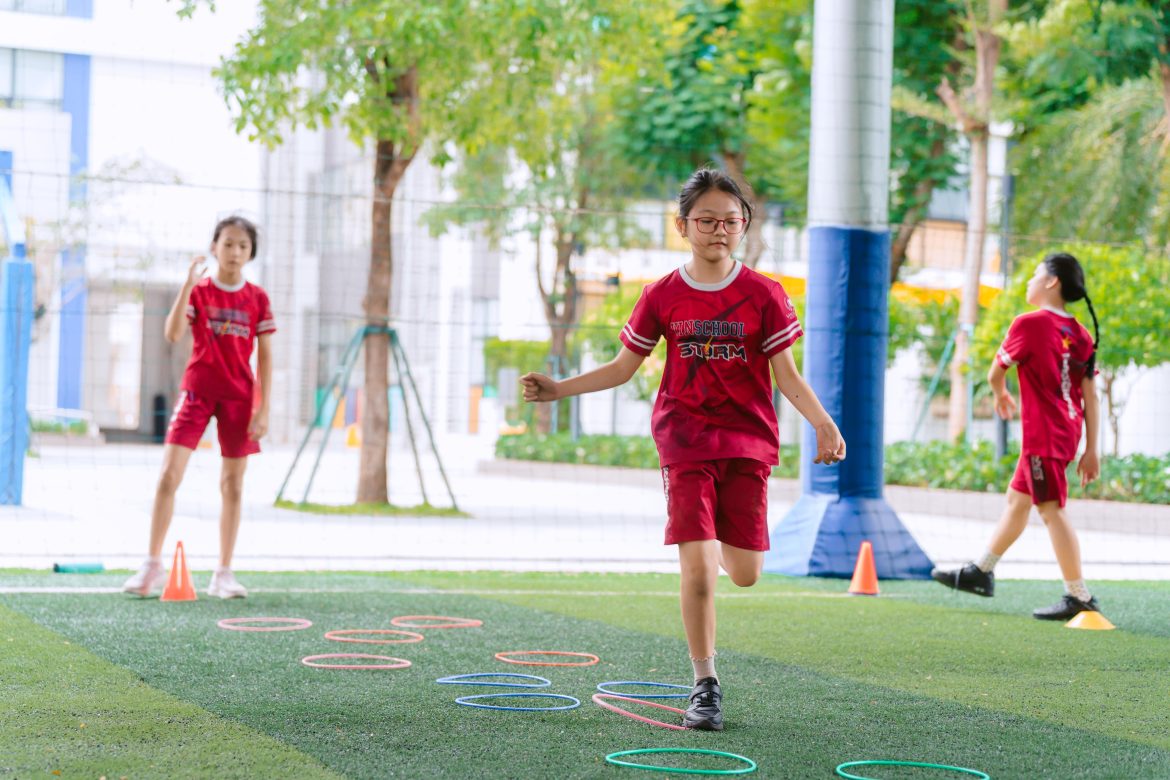
A common concern among parents might be: “This sounds promising, but my child still doesn’t run any faster.” However, in PE classes designed with a Strength-Based mindset at Vinschool, that is not particularly important. Vinschool’s PE teachers are trained to identify three key strands in students’ development: Physical, Cognitive, and Social–Emotional. As a result, PE transforms from a purely physical activity into an opportunity for each student to demonstrate their distinct value.
- A student who “does not enjoy running,” or the “strategist of the team”?
In football, a student who avoids chasing the ball is often perceived as lacking effort. At Vinschool, however, teachers apply their professional expertise to observe more closely: is the child avoiding exertion, or positioning themselves to anticipate the next play? Many students may lack speed but demonstrate strong game intelligence – reading the field, predicting movement, and optimizing their positioning. When this strategic capability is acknowledged rather than overshadowed by physical limitations, students once considered “not athletic” become essential contributors.
- A student who “loves gaming,” or a “body-data analyst”?
Students with strong interest in gaming or technology are frequently labeled as “inactive,” though in reality they may not yet have discovered the kind of physical activity that motivates them. Once teachers recognize their affinity for data and optimization, the approach shifts: instead of repetitive running drills, students may be given a heart-rate monitor and an iPad to track performance.
The aim is no longer simple physical training; it shifts into a data-analysis task. “Can you maintain your heart rate in the Orange Zone (140 bpm) for four minutes? Chart the results.” Physical activity is reframed as an analytical challenge – similar to optimising a system. When their strengths are properly leveraged, these students often regain enthusiasm and a sense of autonomy in movement.
- A student who appears “introverted,” or a “quiet leader”?
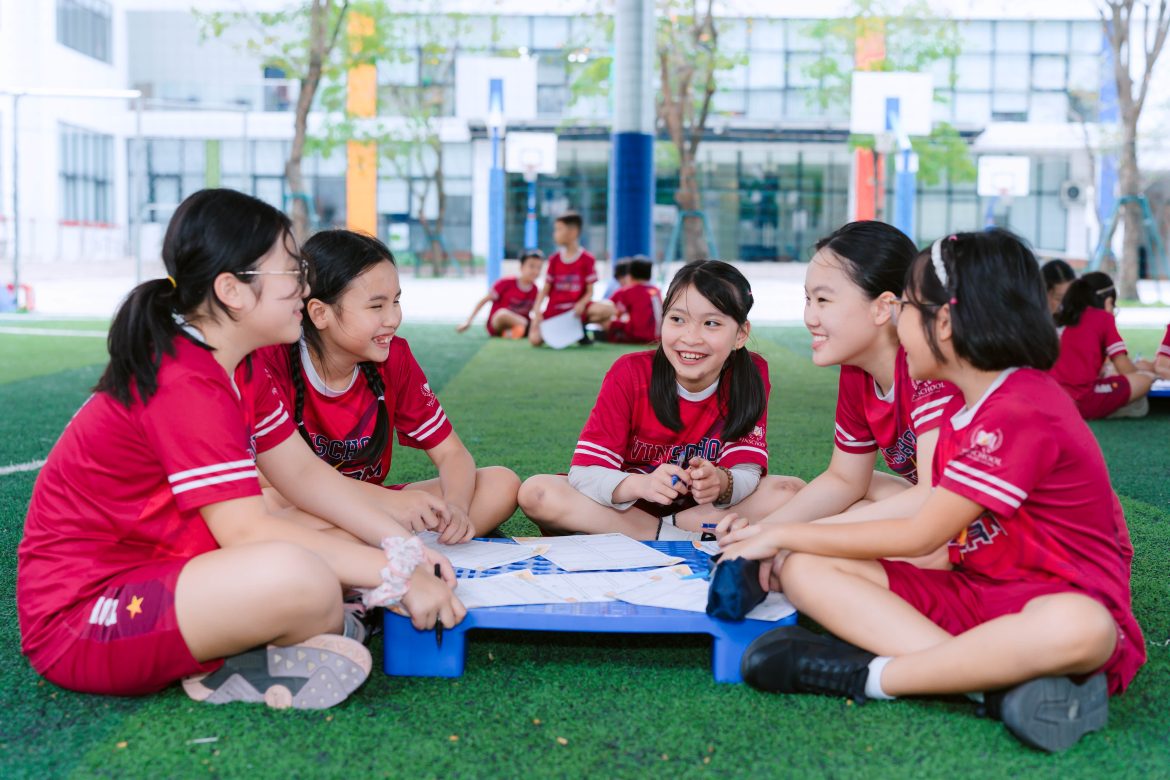
Leadership in sports is often associated with vocal encouragement, yet many introverted students demonstrate a different form of leadership that is subtle but impactful. During group tasks, while peers discuss roles, introverted students may be quietly organizing equipment or supporting teammates through obstacles. PE teachers rely on professional observation to identify this form of “logistical leadership,” helping students recognize that their value is defined by meaningful impact and the trust they contribute to the team. At Vinschool, such strengths are formally acknowledged – through recognition, appropriately assigned roles, and opportunities to lead in ways that align with a student’s natural disposition.
BUILDING SUSTAINABLE HEALTH FROM WITHIN
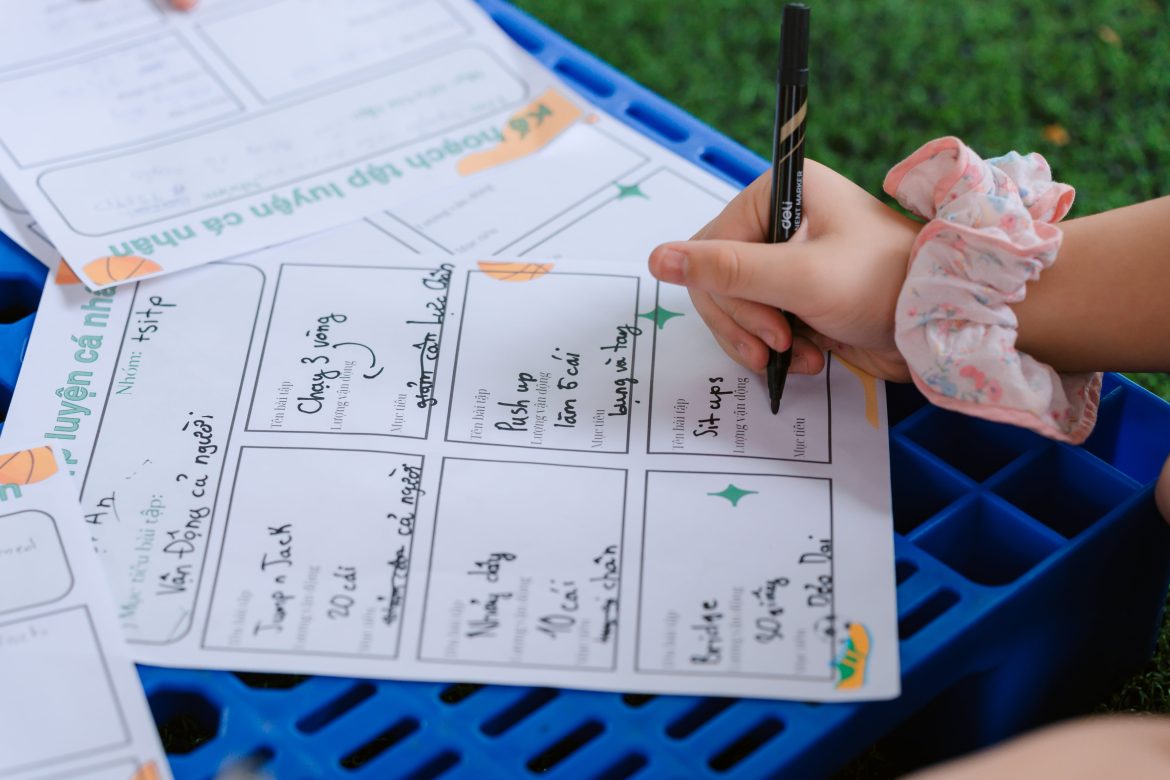
The core objective of the Strength-Based Approach is rooted in Salutogenesis — an academic term that refers to focusing on the origins of wellness rather than the origins of illness. Here, sports are reframed not as demanding physical challenges but as a process of understanding one’s body, recognizing positive changes gained through appropriate movement, and forming sustainable habits for long-term health. Students thereby develop a positive relationship with exercise and maintain an active lifestyle out of genuine enjoyment.
So, how can parents support this approach? Parents are encouraged to shift their questions from: “Did you win today?” or “How fast did you run?” to “What was your strength in PE today?” “Were you the strategist, the motivator, or the steady teammate?” By helping students identify their personal strengths, parents can reinforce the mindset that their body is an asset rather than a limitation. When this understanding takes root, movement—and, consequently, overall well-being emerges naturally and sustainably.