“Why Kids Often Get Sick When They Start School” – Advice from Vinmec Experts
The first days of school are always a special milestone – marking the beginning of a child’s adjustment to a new environment, teachers, classmates, and group routines. For preschoolers, especially those in nursery classes, it may be their first time stepping away from their parents’ care to explore the outside world. During this transition, many parents become concerned when their child starts showing signs of frequent coughing, fever, runny nose, or fatigue after just a few days at school. Is my child getting sick because of school? Is the school environment truly safe? What can I do to help my child stay healthy? With expert insights from pediatricians at Vinmec, this article will help parents better understand the common reasons why children often fall ill in the early school days and offer practical guidance to support their child’s health and well-being during this period - gently, positively, and effectively.
“Young Children Often Get Sick When Starting School” – Perspectives from Vinmect Pediatricians and Nutritionists
Many parents become concerned when their child begins to show symptoms such as a runny nose, coughing, fever, or even requires repeated absences from school just a few weeks into preschool. This often leads parents to question whether the school environment is truly safe, or worry that their child may have an underlying health concern.
In fact, this is a common occurrence worldwide and is considered a normal response in young children as they adjust to a group learning environment.
Common Illnesses When Children Start School
When entering preschool, children are more likely to encounter illnesses such as colds, sore throats, allergic rhinitis, mild bronchitis, middle ear infections, hand-foot-and-mouth disease, or digestive issues like diarrhea.
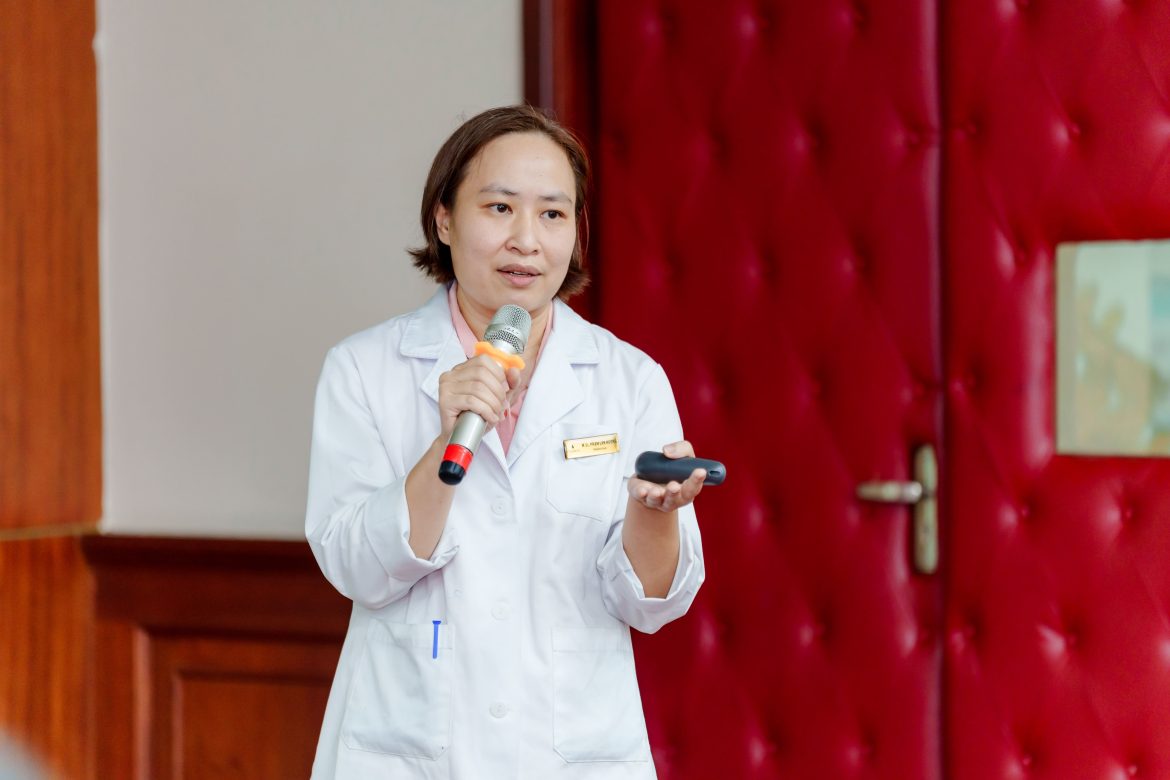
Why Do Children Get Sick More Often When They Start School?
The primary reason is that their immune systems are still developing. Before attending school, most children spend their time in familiar environments with little exposure to new microbes. Once they enter a shared setting – with communal toys, objects, and closer interactions – their bodies begin encountering many new “invaders” for the first time.
Think of the immune system as a “young army” still in training. School becomes the place where this army learns to recognize, respond to, and defend against everyday viruses and bacteria. Each time a child gets sick, their body builds stronger immunity, which helps explain why illness tends to become less frequent as children adapt to the new environment.
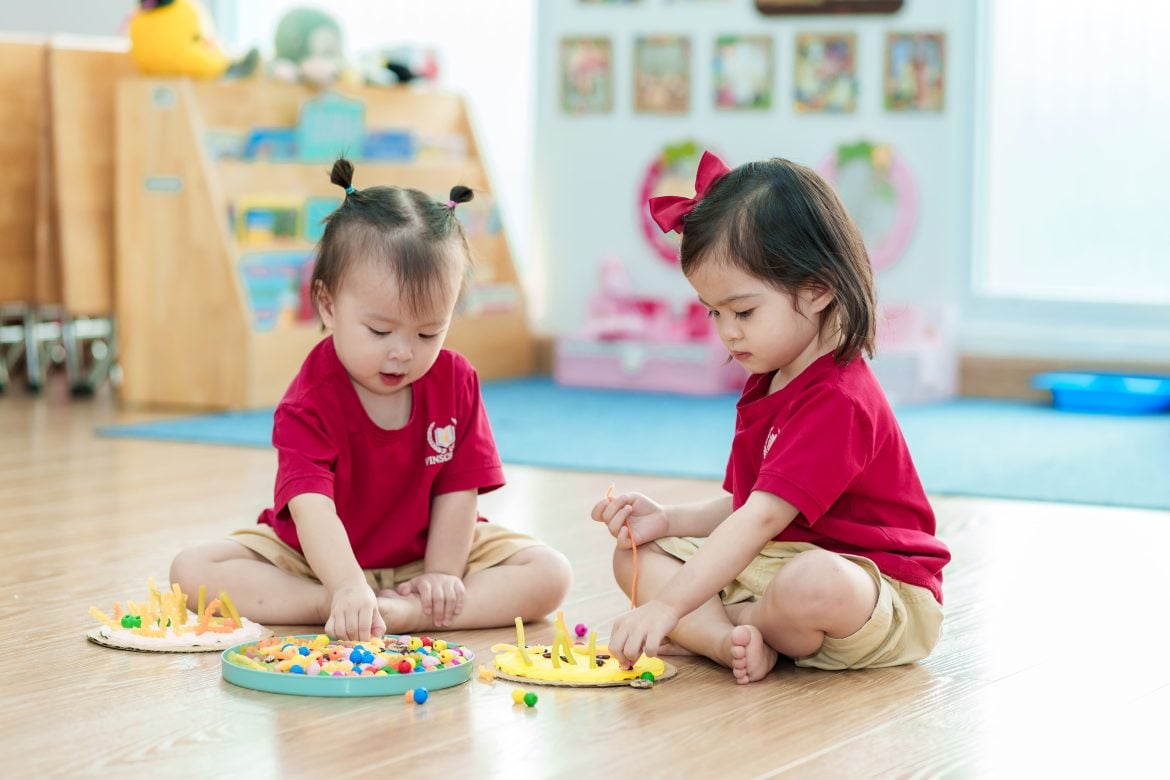
Even though schools make every effort to maintain a clean, safe, and hygienic environment, young children are still developing personal hygiene habits. Natural behaviors like touching their faces or playing closely with friends can make it easier for viruses to spread – and that’s completely normal. It’s simply part of how children grow and learn to live in a community.
When parents understand this, they can feel more confident and collaborate with the school to support their child through this early “immune training” phase – approaching it calmly, positively, and effectively.”
What to Do When A Child Gets Sick
If a child falls ill, it’s important to stay calm and monitor their condition closely. If they have a high fever (above 38.5°C), have trouble breathing, or refuse to eat, take them to the doctor promptly. Avoid giving antibiotics without medical advice, as most infections at this stage are caused by viruses, and antibiotics will not be effective.
To help the child recover, ensure they drink plenty of fluids, offer light, easy-to-digest meals, let them rest adequately, and temporarily keep them home from school to allow recovery and reduce the risk of spreading illness to others.
How Parents Can Support Their Child’s Health
To help reduce the chances of the child getting sick when starting school, parents can be proactive by:
- Ensuring full vaccination, including those not covered in the national immunization program such as flu, pneumococcal, and rotavirus vaccines.
- Maintaining proper hand hygiene at home, especially after using the restroom, before meals, and after playing. Consistent hygiene routines between home and school help build strong, lasting habits.
- Providing a balanced diet that includes all four food groups: protein, healthy fats, carbohydrates, and a variety of vitamins, minerals, and fiber. Also, make sure the child stays hydrated throughout the day.
- Prioritizing sleep – preschoolers need at least 10 to 12 hours of sleep per day to support healthy immune function.
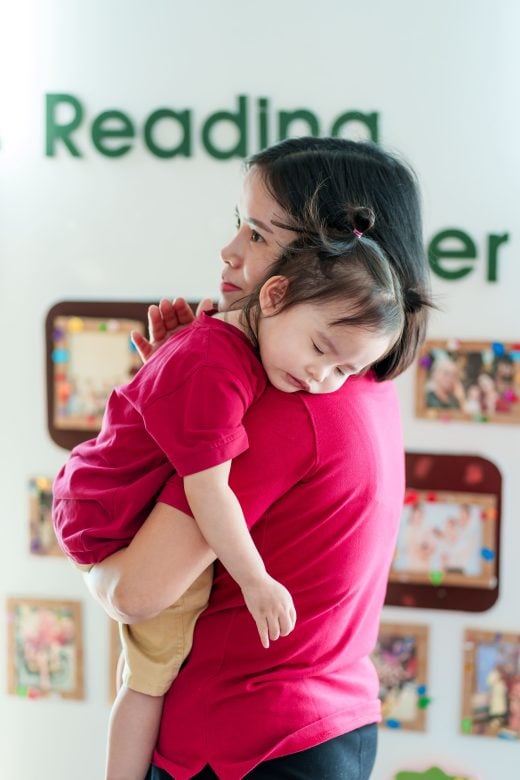
“Getting sick is part of growing up”. By staying calm, providing proper care, and patiently supporting their child, parents can help ease the transition into a new environment. Most children will soon adapt and continue to grow in both health and confidence.
If you have any concerns about your child’s adjustment or overall health during the early school period, it’s best to consult with a pediatrician or nutritionist for tailored advice.
References
- https://health.choc.org/why-is-my-child-always-sick-a-pediatrician-answers-your- questions/
- Kurt G, Serdaroğlu HU. Prevalence of Infectious Diseases in Children at Preschool Education Institutions and Stakeholder Opinions. Children (Basel). 2024 Apr 8;11(4):447. doi: 10.3390/children11040447. PMID: 38671664; PMCID: PMC11049231.